Your front walkway is one of the first things people notice when approaching your home. It’s more than just a path to your front door. It’s an opportunity to make a great first impression and set the tone for the rest of your property.
But if your current walkway is cracked, outdated, or simply doesn’t complement your home’s exterior, it might be time for an upgrade.
The good news? You don’t need to completely renovate your front yard to make a noticeable difference.
Something as simple as changing your walkway’s materials, layout, or design can transform the appearance of your home’s entrance.
From modern concrete pavers to timeless natural stone, there are plenty of ways to create a walkway that’s both beautiful and functional.
Whether you’re building a new home or refreshing your existing landscaping, here are seven walkway design ideas that can instantly boost your curb appeal.
1. Create a Timeless Look with Natural Stone Walkways
If you’re looking for a walkway that never seems to go out of style, natural stone is an excellent place to start.
Natural stone offers unique textures, colors, and patterns that can add character to your home’s entrance.
Bluestone, for example, is a popular choice for walkways because of its classic appearance and versatile color options.
Its natural blue-gray tones can complement traditional homes, while certain finishes and layouts can also work beautifully with contemporary architecture.
For a more rustic appearance, irregular natural stone pieces can create a relaxed, organic pathway that blends into surrounding landscaping.
If you prefer a more formal look, rectangular stone pieces arranged in a consistent pattern can create a clean, sophisticated entrance.
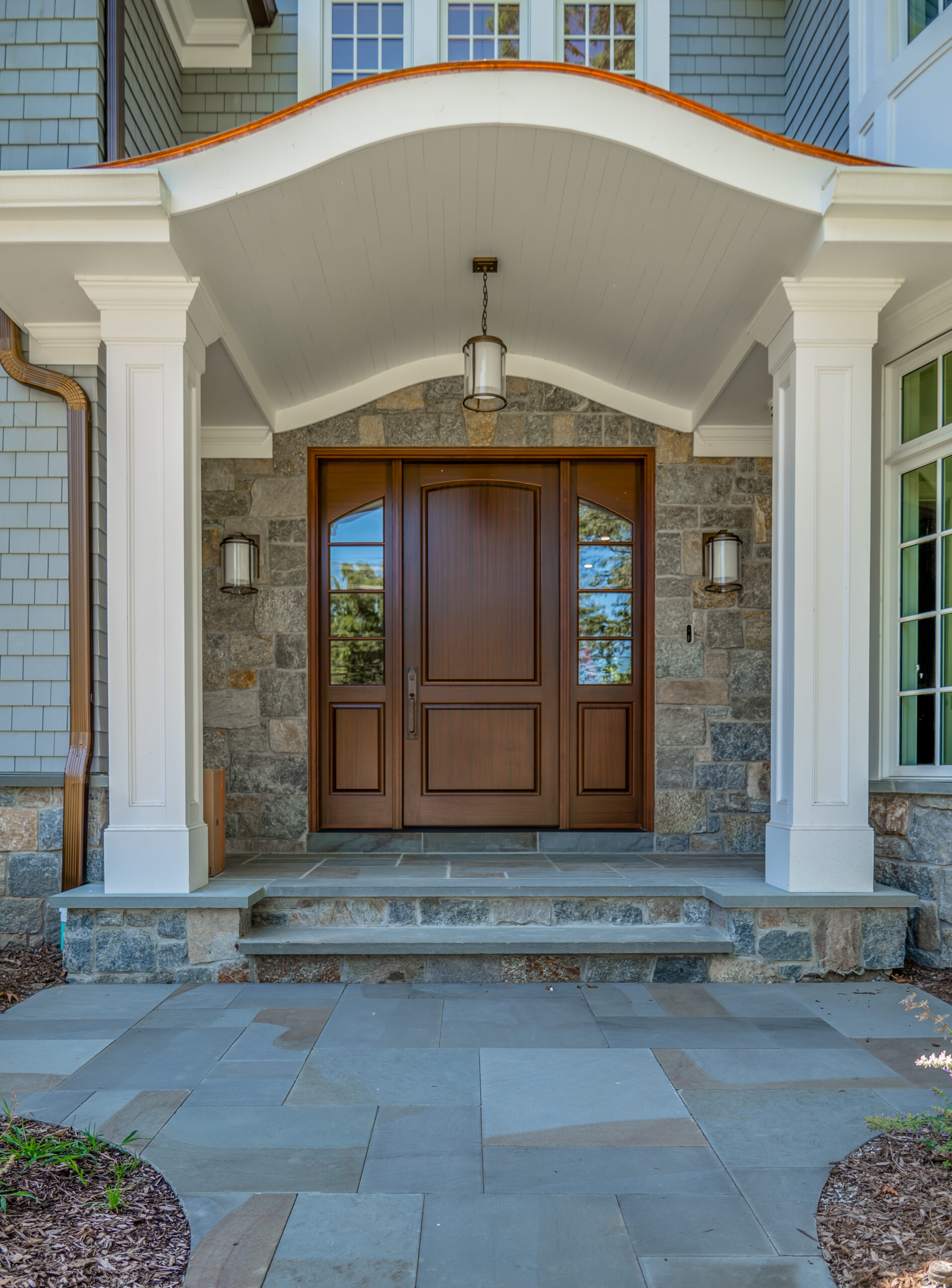
Natural stone can also complement existing features like stone veneer, masonry steps, or decorative landscape walls.
Design Tip: Choose natural stone colors that complement your home’s siding, brick, or other exterior materials. Coordinating undertones can help create a more cohesive appearance.
2. Go Modern with Large-Format Walkway Pavers
If your home has a contemporary or transitional design, large-format pavers can create a sleek, sophisticated entrance.
These pavers feature larger dimensions than many traditional paving options, helping create a clean appearance with fewer visible joints.
For example, large rectangular concrete pavers in light gray can create a streamlined walkway that complements a modern home’s exterior.
Large-format porcelain pavers can also provide a contemporary look when the product is rated for the intended outdoor pedestrian application.
Neutral shades like charcoal, beige, and soft gray work particularly well with modern designs.
You can also experiment with different layouts.
A straight walkway featuring large rectangular pavers can create a bold, architectural appearance.
Alternatively, a staggered pattern can add subtle visual interest without making the design feel too busy.
Keep in mind that larger pavers may have specific installation requirements, including appropriate base preparation and support.
Design Tip: Pair large-format pavers with simple landscaping and clean walkway borders to maintain a polished, contemporary appearance.
3. Add Character with a Curved Walkway
Not every walkway needs to follow a straight line.
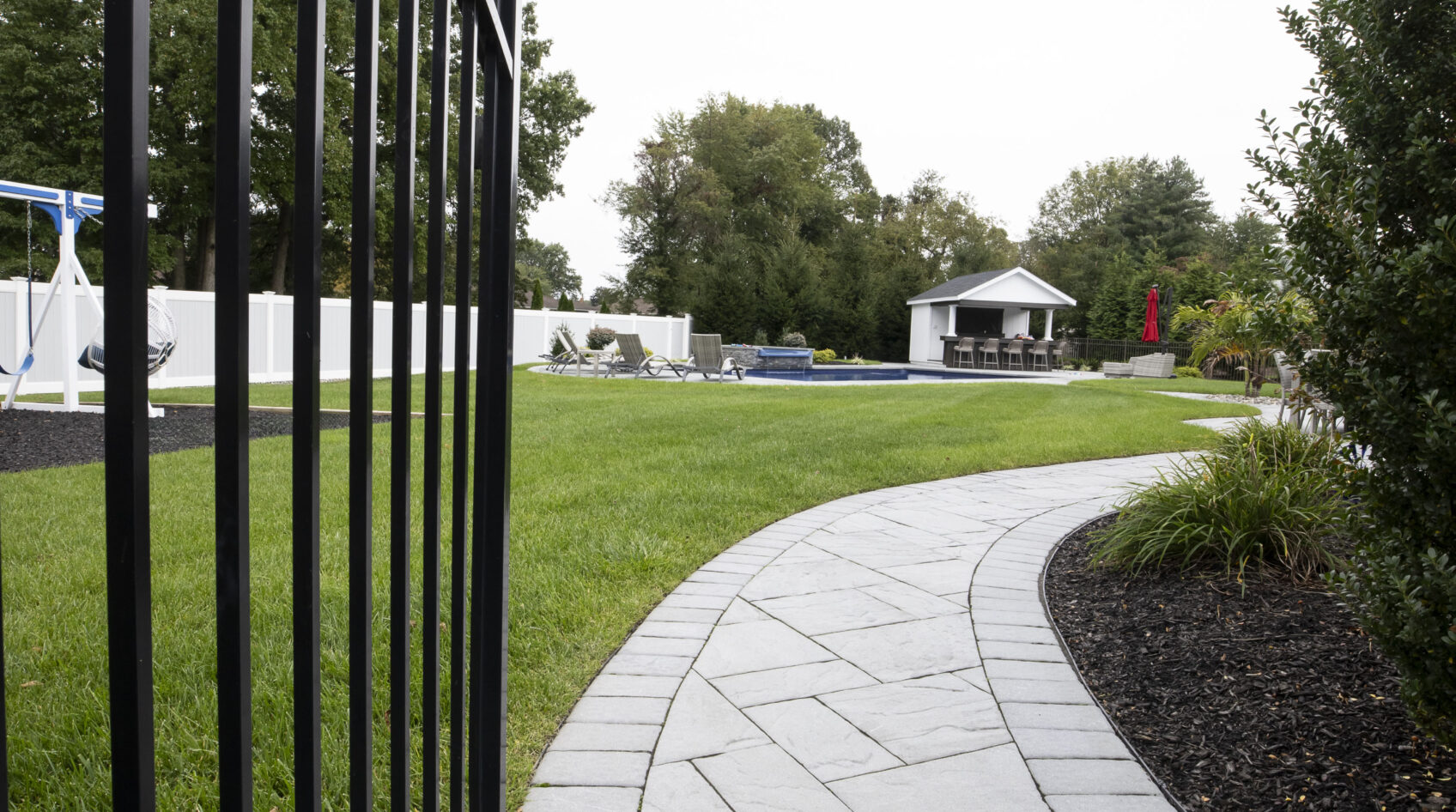
A gently curved walkway can create a welcoming entrance while adding movement and visual interest to your front yard.
This approach works especially well for homes with larger front lawns, mature landscaping, or garden beds.
For example, a curved concrete paver walkway surrounded by flowering shrubs can create a softer, more inviting appearance than a straight path.
Natural stone can also work beautifully in curved designs, particularly when you want a relaxed, garden-inspired look.
Curved walkways can help guide visitors through your landscaping while highlighting attractive features along the way.
However, the layout should still feel natural and convenient.
A walkway with too many unnecessary turns may look interesting on paper but become frustrating to use every day.
Design Tip: Use gentle, intentional curves rather than sharp or excessive bends. The walkway should complement your landscaping without making the route to your front door unnecessarily long.
4. Make a Statement with Contrasting Paver Borders
Sometimes, the smallest design details make the biggest difference.
Adding a contrasting border to your walkway can create a custom appearance without requiring an overly complicated pattern.
For example, a light gray concrete paver walkway framed with charcoal pavers can create a clean, defined edge.
You could also use a complementary natural stone border to introduce texture and character.
Borders can help visually separate the walkway from surrounding lawn or garden beds.
They can also provide an opportunity to coordinate your walkway with nearby hardscape features.
If your driveway features a darker paver accent, repeating that color along your walkway can help create a cohesive front entrance.
However, you don’t need to introduce multiple colors to make a statement.
A subtle border using a slightly different shade or texture can be just as effective.
Design Tip: Choose one primary walkway material and use the border as an accent. This helps create visual interest without overwhelming the design.
5. Incorporate Walkway Steps for a Grand Entrance
If your front yard has a slope, incorporating outdoor steps into your walkway can create a beautiful transition to your front door.
Rather than viewing changes in elevation as a design challenge, you can use them to add architectural interest.
For example, natural stone steps paired with a bluestone walkway can create a timeless, traditional appearance.
Concrete steps that coordinate with nearby pavers can give your entrance a more contemporary look.
You might also incorporate low landscape walls or decorative planting beds alongside the steps to create a more finished appearance.
For homes with a significant elevation change, a series of steps and landings can make the walkway feel more intentional.
However, safety and accessibility should always be priorities.
Step dimensions, landings, handrails, lighting, and drainage need to be considered during the design process.
Design Tip: Coordinate your walkway pavers, step materials, and any nearby wall caps to create a seamless transition from your driveway or sidewalk to your front door.
6. Use Walkway Lighting to Highlight Your Landscaping
A beautiful walkway shouldn’t disappear when the sun goes down.
Outdoor lighting can enhance your home’s curb appeal while helping visitors navigate the path after dark.
For example, low-profile pathway lights can illuminate the edges of your walkway without overpowering the landscape.
Accent lighting can highlight nearby trees, decorative stone walls, or garden beds.
If your walkway includes steps, carefully positioned lighting can help make elevation changes more visible.
The style of your lighting fixtures can also influence the overall appearance.
Black or bronze fixtures often complement traditional and transitional homes, while minimalist fixtures can work well with modern architecture.
When planning lighting, aim for balanced illumination rather than creating overly bright areas or distracting glare.
Outdoor electrical installations should also follow applicable safety requirements.
Design Tip: Use consistent fixture styles and light color temperatures throughout your front yard to create a cohesive, welcoming appearance.
7. Frame Your Walkway with Beautiful Landscaping
Even the most beautiful walkway can feel unfinished without the right landscaping.
Plants, garden beds, decorative stone, and edging can help soften the appearance of hardscape materials while making your entrance more inviting.
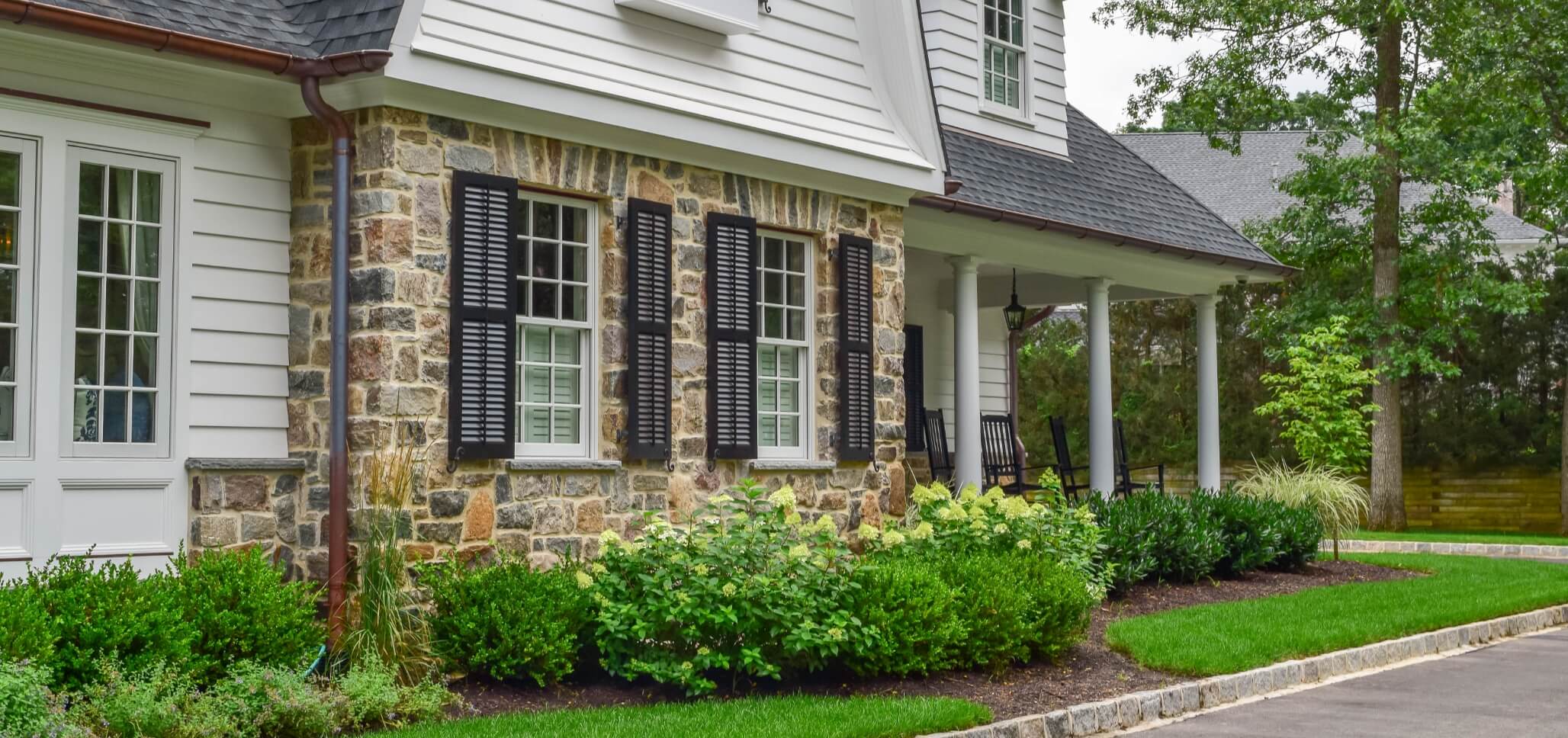
For example, a bluestone walkway surrounded by low-growing shrubs and flowering perennials can create a timeless, garden-inspired look.
A modern concrete paver walkway might look beautiful alongside ornamental grasses and simple planting beds.
Decorative gravel or natural stone edging can also create an attractive transition between the walkway and surrounding landscaping.
For a more formal appearance, consider symmetrical plantings on either side of the walkway.
If you prefer a relaxed, natural look, layered landscaping with varying heights and textures can create a softer appearance.
When selecting plants, think about their mature size.
Overgrown shrubs and spreading plants can eventually obstruct the walkway, making it less comfortable to use.
Design Tip: Repeat a few plant varieties along the walkway to create a consistent appearance that guides the eye toward your front entrance.
What Are the Best Materials for a Front Walkway?
The material you choose will influence your walkway’s appearance, maintenance needs, and long-term performance.
Here are three popular options to consider.
Concrete Pavers
Concrete pavers are a versatile choice for front walkways.
They’re available in a wide range of colors, textures, sizes, and patterns, making it easier to complement different architectural styles.
Textured concrete pavers can create a traditional appearance, while smooth-faced or large-format options can give your walkway a more contemporary look.
When properly selected and installed, concrete pavers can provide a durable pedestrian surface.
Natural Stone
Natural stone offers unique character and a timeless appearance.
Bluestone is a popular option for homeowners who want a classic walkway that complements traditional landscaping.
Other suitable natural stone products can also be used depending on the desired look and installation requirements.
Stone type, thickness, finish, and suitability for freeze-thaw exposure should all be considered.
Porcelain Pavers
Outdoor-rated porcelain pavers can create a clean, contemporary appearance.
They’re available in a variety of colors and finishes, including options that resemble natural stone.
Porcelain’s low water absorption can be an advantage, but it’s important to choose a product specifically rated for exterior pedestrian use.
Proper installation and appropriate surface traction are also essential.
How to Choose the Right Walkway Design for Your Home
With so many walkway ideas available, how do you decide which one is right for your property?
Start by looking at your home’s exterior.
A traditional brick home may look beautiful with natural stone or textured concrete pavers, while a contemporary home might benefit from large-format pavers and clean lines.
Next, think about the size and layout of your front yard.
A straight walkway can create a formal appearance and provide a direct route to your entrance.
A curved walkway may be more appropriate for a larger property with established landscaping.
You’ll also want to consider how the walkway connects to your driveway, sidewalk, and front steps.
The goal is to create a natural, comfortable path that visitors will actually use.
Walkway width is another important consideration.
A narrow path may feel cramped, especially when two people are walking side by side.
A wider walkway can create a more welcoming entrance, but the appropriate dimensions depend on your available space and any applicable accessibility requirements.
Finally, consider maintenance and weather conditions.
For homeowners in Northern New Jersey, walkway materials should be suitable for freeze-thaw exposure, and the installation should include appropriate drainage and base preparation.
How Much Does a New Walkway Cost?
The cost of a new walkway can vary depending on several factors.
Material selection is one of the biggest considerations.
Concrete pavers, natural stone, and porcelain pavers can have different material and installation costs.
The size and shape of the walkway also influence the budget.
For example, a straight walkway may require less cutting and layout work than a curved design with multiple borders.
Site conditions can also affect the final price.
If your existing walkway needs to be removed, the project may involve additional demolition and disposal costs.
Sloped properties may require steps, retaining walls, or more extensive grading.
Drainage improvements and base preparation can also influence the overall cost.
When planning your budget, focus on the complete installed project rather than comparing material prices alone.
A properly prepared foundation is essential for long-term performance.
Create a Beautiful Front Entrance with Braen Supply
Your front walkway does more than connect your driveway or sidewalk to your front door.
It’s an important part of your home’s curb appeal and an opportunity to create a welcoming first impression.
Whether you prefer the timeless beauty of natural stone, the versatility of concrete pavers, or the clean appearance of porcelain, the right materials can help bring your vision to life.
At Braen Supply, we offer a wide selection of concrete pavers, porcelain pavers, natural stone, bluestone, steps, and other hardscape materials to help homeowners create beautiful outdoor spaces.
Visit one of our showrooms to explore different colors, textures, and styles in person. Our team can help you compare materials and find options that complement your home’s exterior and walkway design.
Frequently Asked Questions About Walkway Design
1. What is the best material for a front walkway?
Concrete pavers, natural stone, and outdoor-rated porcelain pavers can all be excellent choices. The best material depends on your home’s style, budget, maintenance preferences, and local climate. Proper installation is essential regardless of the material.
2. Should a front walkway be straight or curved?
Both designs can work beautifully. Straight walkways create a formal, direct approach to the front door, while curved walkways can add movement and complement larger landscaped front yards. The best layout depends on your property’s size, shape, and existing features.
3. How wide should a front walkway be?
A front walkway should be wide enough for comfortable everyday use. Many residential designs use widths of approximately 3 to 4 feet, while wider walkways can create a more spacious entrance. Applicable accessibility requirements and local codes may affect the final dimensions.
4. How can I make my walkway look more expensive?
Choose materials that complement your home’s exterior, incorporate a subtle contrasting border, and coordinate the walkway with nearby steps or hardscape features. Thoughtful landscaping and outdoor lighting can also create a more polished appearance.
5. Do paver walkways hold up in New Jersey winters?
Yes, appropriately selected concrete pavers, natural stone, and exterior-rated porcelain pavers can perform well in New Jersey’s climate. Proper base preparation, drainage, installation, and product-specific maintenance are important for long-term performance.