
Your driveway and front walkway are two of the first things people notice when approaching your home. While they serve different purposes, they also play a major role in your property’s overall curb appeal.
But here’s something homeowners often overlook: your driveway and walkway don’t have to match perfectly to look beautiful together.
In fact, some of the most attractive front entrances combine different materials, colors, and patterns that complement one another without looking identical.
Whether you have a traditional asphalt driveway, a decorative paver driveway, or something in between, the right walkway design can help tie your entire front yard together.
The key is creating a cohesive appearance that feels intentional, welcoming, and connected to your home’s exterior.
If you’re planning a new walkway or updating your existing driveway, here’s how to design an entrance where both features work beautifully together.
1. Start with Your Driveway’s Existing Material
Before choosing walkway pavers, take a look at your driveway.
Is it asphalt, concrete, gravel, or decorative pavers?
The material you already have can help guide your design.
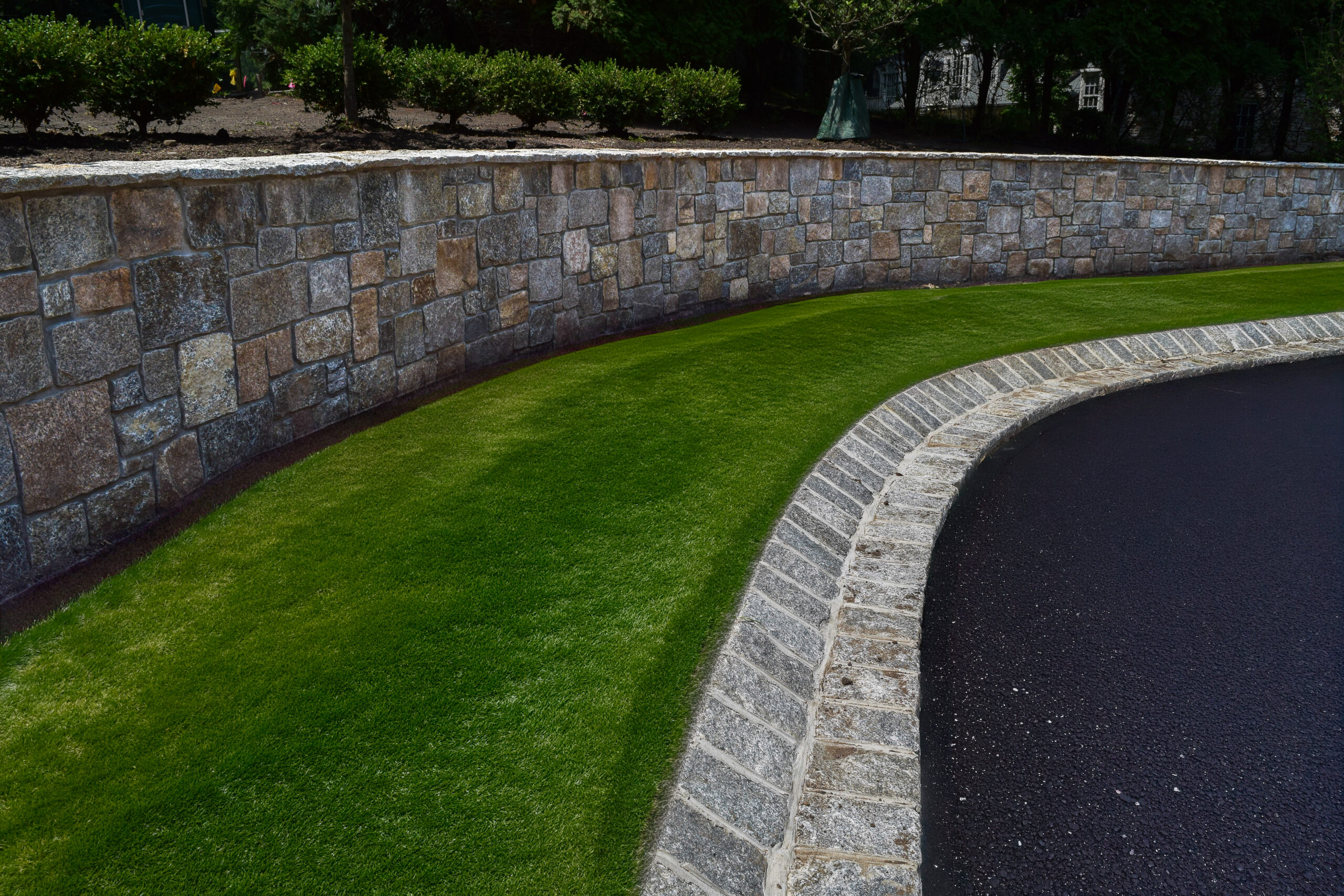
For example, if you have a traditional black asphalt driveway, you might choose light gray concrete pavers to create an attractive contrast.
If your driveway features warm-toned concrete pavers, a walkway with similar beige or tan undertones can create a more coordinated appearance.
Natural stone walkways can also complement a variety of driveway materials, especially when the stone’s colors coordinate with your home’s exterior.
The goal isn’t necessarily to use the exact same material for both surfaces.
Instead, think about how their colors, textures, and overall styles will look when viewed together.
Design Tip: If you’re keeping your existing driveway, use it as a starting point for selecting walkway materials. This can help narrow your options and make the design process easier.
2. Choose a Color Palette That Connects Both Spaces
Color is one of the easiest ways to create a cohesive appearance between your driveway and walkway.
You don’t need identical colors, but they should work well together.
For example, a charcoal driveway paired with light gray walkway pavers can create a clean, modern appearance.
A warm beige driveway might look beautiful alongside natural stone with tan, brown, or soft gray undertones.
You can also take inspiration from your home’s exterior.
If your house features brick, stone veneer, or decorative masonry, consider incorporating similar tones into your walkway.
This helps connect your driveway, walkway, and home into one coordinated design.
Try to avoid introducing too many competing colors.
A simple palette of two or three complementary tones is often enough to create visual interest without making the entrance feel busy.
Design Tip: Bring home samples of your favorite materials and compare them next to your driveway in natural daylight. Colors can look different outdoors than they do in a showroom.
3. Use Contrasting Materials to Create Visual Interest
Sometimes, the best way to complement your driveway is to choose a walkway material that’s noticeably different.
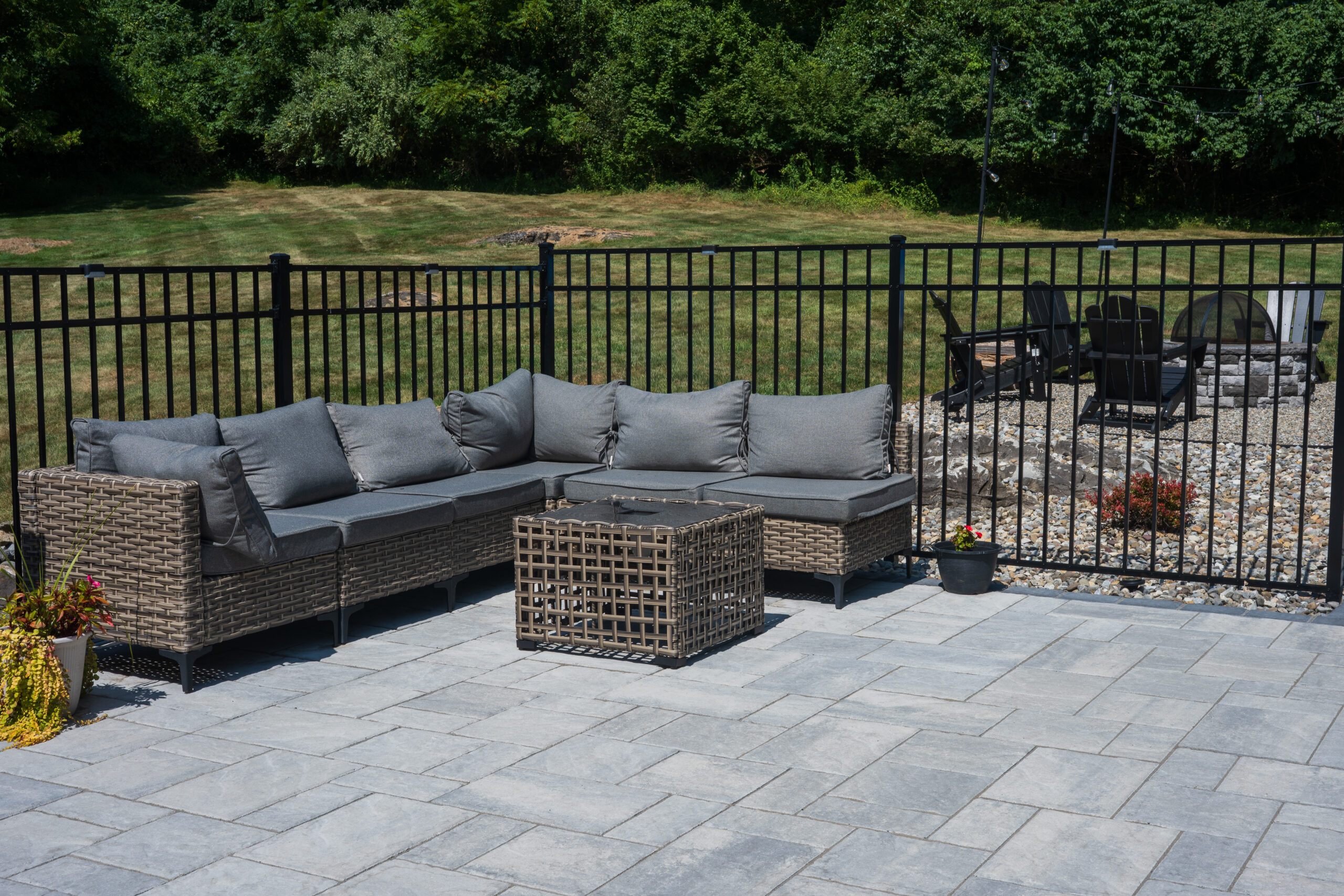
For example, a smooth asphalt driveway paired with textured concrete pavers can create an attractive contrast.
A traditional concrete driveway can look beautiful alongside a natural bluestone walkway.
You could also pair a decorative paver driveway with large-format walkway pavers in a complementary color.
The difference in materials helps define each space while allowing them to feel connected.
This approach is especially useful if you want your front walkway to stand out as an architectural feature.
After all, your driveway is primarily designed for vehicles, while your walkway creates the pedestrian entrance to your home.
Giving each feature its own identity can make your front yard feel more thoughtfully designed.
Design Tip: If you’re mixing materials, repeat at least one color or texture between the driveway and walkway to help create a visual connection.
4. Coordinate Paver Patterns Without Making Everything Match
If your driveway features decorative pavers, you have another opportunity to create a cohesive design through patterns.
For example, a driveway installed in a herringbone pattern might pair beautifully with a walkway featuring a simpler running bond layout.
Using different patterns can help distinguish the two areas without making the design feel disconnected.
You can also use the same paver collection in different sizes or arrangements, provided the products are suitable for their respective applications.
For a more traditional home, a classic walkway pattern can complement a decorative driveway.
For a contemporary property, large rectangular pavers arranged in clean, straight lines can create a sophisticated appearance.
The key is balance.
If your driveway already features a bold pattern, consider keeping the walkway relatively simple.
If the driveway is understated, your walkway may be the perfect place to introduce a more decorative layout.
Design Tip: Choose one feature to be the focal point. This helps prevent your driveway and walkway from competing for attention.
5. Connect Your Driveway and Walkway with Decorative Borders
Decorative borders are a great way to make two different hardscape areas feel connected.
For example, if your driveway features a charcoal paver border, you can repeat that same color along the edges of your walkway.
Even if the main paving materials are different, the repeated border creates a visual relationship between the two spaces.
You can also incorporate a subtle accent near the point where your walkway meets your driveway.
This can help define the transition while making the overall entrance feel more polished.
For homes with asphalt or poured concrete driveways, a decorative paver border along the walkway can introduce color and texture without requiring a complete driveway renovation.
Borders can also help separate the walkway from surrounding lawn or landscaping.
Just make sure the selected materials and edge restraints are appropriate for the intended application.
Design Tip: Use borders sparingly. A simple, consistent accent often creates a more sophisticated appearance than multiple competing patterns.
6. Think About How Your Walkway Connects to Your Driveway
A beautiful walkway should also be convenient to use.
Before finalizing your design, consider where people typically park and how they approach your front door.
If your walkway connects directly to the driveway, the transition should feel natural and comfortable.
For example, a walkway that begins near the main parking area can provide a convenient route for family members and guests.
If your driveway is long or curved, you may want to position the walkway where it provides the most direct access to your entrance.
The walkway’s width and layout are also important.
A narrow path may feel cramped, particularly when two people are walking side by side.
A wider walkway can create a more welcoming entrance and provide additional room near the driveway.
You should also consider elevation changes.
If your driveway and walkway sit at different heights, steps or appropriately designed transitions may be necessary.
Design Tip: Think about your everyday routine. The best design should look beautiful while making it easy to move between your driveway and front door.
7. Incorporate Landscaping That Ties Everything Together
Hardscape materials aren’t the only elements that can connect your driveway and walkway.
Landscaping can play an equally important role.
For example, a planting bed between the driveway and walkway can soften the transition between the two surfaces.
Ornamental grasses, low-growing shrubs, and flowering perennials can add texture and color while helping define the entrance.
You can also use decorative gravel or natural stone edging to create a consistent appearance throughout the front yard.
If your walkway curves through the landscape, strategically placed garden beds can help guide visitors toward the front door.
For a more formal design, consider symmetrical plantings near the entrance.
For a relaxed, natural appearance, layered landscaping with different heights and textures can create a softer look.
When choosing plants, consider their mature size so they don’t eventually obstruct the walkway or driveway.
Design Tip: Repeat a few landscaping materials or plant varieties near both surfaces to make your entire front yard feel more cohesive.
8. Coordinate Your Walkway with Your Front Steps
Your driveway and walkway may be the largest hardscape features in your front yard, but don’t forget about your front steps.
These elements should feel connected, too.
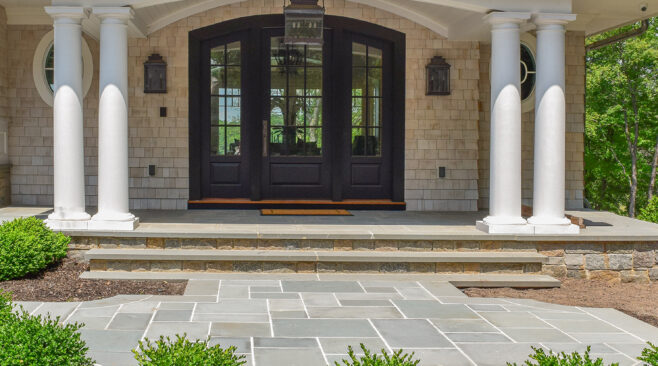
For example, if your walkway features bluestone, incorporating compatible natural stone steps or treads can create a seamless transition to your entrance.
If you’ve chosen concrete walkway pavers, coordinating steps and wall caps can help maintain a consistent appearance.
You don’t necessarily need to use the exact same material everywhere.
However, repeating similar colors, textures, or finishes can make your front entrance look more polished.
This is particularly important if your home has a raised entrance or several steps leading to the front door.
Design Tip: Think of your driveway, walkway, and front steps as three parts of one design rather than separate projects.
Should Your Driveway and Walkway Be the Same Material?
Not necessarily.
While using the same material can create a consistent appearance, mixing materials can be just as attractive.
The best choice depends on your home’s architecture, personal style, and budget.
For example, a paver driveway and matching paver walkway can create a formal, unified appearance.
However, a traditional asphalt driveway paired with a natural stone walkway can also look beautiful.
You might even prefer using the same color family but different surface textures.
This creates visual interest while keeping the design cohesive.
The most important thing is selecting materials that complement one another and are appropriate for their intended use.
Remember that driveways and walkways have different performance requirements.
Driveways must support vehicle loads, while walkways are primarily designed for pedestrian traffic.
If you’re selecting pavers for both surfaces, make sure each product and installation system is rated for the intended application.
Best Walkway Materials to Pair with Different Driveways
Not sure which material will look best with your driveway? Here are a few combinations worth considering.
Asphalt Driveway + Concrete Paver Walkway
A black asphalt driveway paired with light gray or beige concrete pavers can create an attractive contrast.
This combination works well for traditional, transitional, and contemporary homes.
Concrete pavers also provide plenty of opportunities to incorporate decorative borders or patterns.
Asphalt Driveway + Bluestone Walkway
Bluestone can add natural character to an otherwise simple driveway design.
Its blue-gray tones often complement the darker appearance of asphalt, creating a timeless front entrance.
This pairing can look especially beautiful alongside brick, stone veneer, or traditional siding.
Concrete Driveway + Natural Stone Walkway
A poured concrete driveway paired with natural stone can introduce texture and visual interest.
For example, a bluestone walkway can create an attractive focal point while complementing a neutral concrete driveway.
Paver Driveway + Coordinating Paver Walkway
If your driveway already features decorative pavers, consider selecting walkway pavers from the same or a complementary collection.
You can use similar colors while introducing a different pattern or paver size.
This creates a cohesive appearance without making the two surfaces look identical.
Gravel Driveway + Natural Stone Walkway
For rustic or traditional properties, a gravel driveway paired with a natural stone walkway can create a relaxed, welcoming entrance.
Bluestone or other suitable natural stone products can provide a more defined pedestrian surface while complementing the driveway’s natural appearance.
What If You’re Only Replacing Your Walkway?
You don’t need to renovate your entire driveway to improve your home’s curb appeal.
In fact, updating your walkway can make a noticeable difference even when the driveway stays exactly the same.
Start by identifying the colors and textures already present in your driveway.
Then choose walkway materials that complement those features.
If your driveway is relatively plain, your walkway can become the focal point of your front entrance.
Consider introducing natural stone, decorative paver borders, or a more interesting layout.
You can also refresh the surrounding landscaping to help connect the new walkway with the existing driveway.
The key is making the new materials feel like they belong.
With thoughtful planning, your walkway can look like a natural extension of your home’s exterior rather than an unrelated addition.
Don’t Forget About Drainage and New Jersey Weather
While appearance is important, your driveway and walkway also need to function properly throughout the year.
For homeowners in Northern New Jersey, this means considering heavy rainfall, snow, freezing temperatures, and repeated freeze-thaw cycles.
Both surfaces should be designed to manage water appropriately.
For example, runoff from your driveway shouldn’t be directed toward your home or allowed to collect on the walkway.
If your walkway connects directly to your driveway, the transition should be designed to minimize pooling and uneven surfaces.
Proper base preparation is also essential.
Concrete pavers, natural stone, and porcelain pavers may have different installation requirements, so it’s important to follow the appropriate specifications.
Material selection matters, too.
Choose products intended for exterior use in New Jersey’s climate, and consider surface traction for wet or icy conditions.
If you’re incorporating steps or retaining walls, additional structural and drainage planning may be necessary.
A qualified hardscape contractor can help evaluate your property’s conditions and recommend an appropriate installation approach.
Common Mistakes to Avoid When Coordinating Your Driveway and Walkway
One of the biggest mistakes homeowners make is choosing walkway materials without considering the driveway or home’s exterior.
Even beautiful materials can feel out of place if the colors, textures, and patterns don’t work together.
Another common mistake is introducing too many different materials.
For example, combining several paver colors, decorative borders, stone textures, and patterns can make a relatively small front yard feel busy.
It’s usually better to select a few complementary elements and repeat them throughout the design.
Homeowners should also avoid overlooking the walkway’s layout.
A beautiful path won’t be very practical if it doesn’t provide a convenient route from the driveway to the front door.
Finally, don’t sacrifice proper installation for appearance.
Drainage, base preparation, and appropriate materials are essential for long-term performance.
Create a Cohesive Front Entrance with Braen Supply
Your driveway and walkway don’t need to match perfectly to create a beautiful front entrance.
With the right combination of materials, colors, patterns, and landscaping, you can design an outdoor space that feels polished, welcoming, and connected to your home’s exterior.
Whether you’re pairing a natural stone walkway with an asphalt driveway or coordinating concrete pavers across multiple hardscape features, thoughtful material selection can make all the difference.
At Braen Supply, we offer a wide selection of concrete pavers, porcelain pavers, natural stone, bluestone, steps, wall materials, and other hardscape products to help homeowners bring their outdoor living ideas to life.
Visit one of our showrooms to explore different colors, textures, and material combinations in person. Our team can help you compare products and find materials that complement your driveway, walkway, and overall landscape design.
Frequently Asked Questions About Matching Walkways and Driveways
1. Should your walkway match your driveway?
No, your walkway and driveway don’t need to use identical materials. Choosing complementary colors, textures, or patterns can create a cohesive appearance while allowing each feature to have its own style.
2. What walkway material looks best with an asphalt driveway?
Concrete pavers and natural stone are both popular choices. Light gray or beige concrete pavers can create attractive contrast against black asphalt, while bluestone can provide a timeless appearance that complements many home styles.
3. Can you use different paver patterns for your driveway and walkway?
Yes. Using different patterns can help distinguish the two areas while maintaining a coordinated design. Repeating similar colors or materials can help connect the spaces visually.
4. How do you make a walkway and driveway look cohesive?
Start with a consistent color palette, choose complementary materials, and repeat design elements such as borders, textures, or landscaping. Coordinating your walkway with nearby steps and your home’s exterior can also help create a unified appearance.
5. Is it better to replace your driveway and walkway at the same time?
Not necessarily. Replacing both at once can make it easier to coordinate materials, elevations, and drainage. However, you can still create a beautiful entrance by upgrading only your walkway and selecting materials that complement your existing driveway.