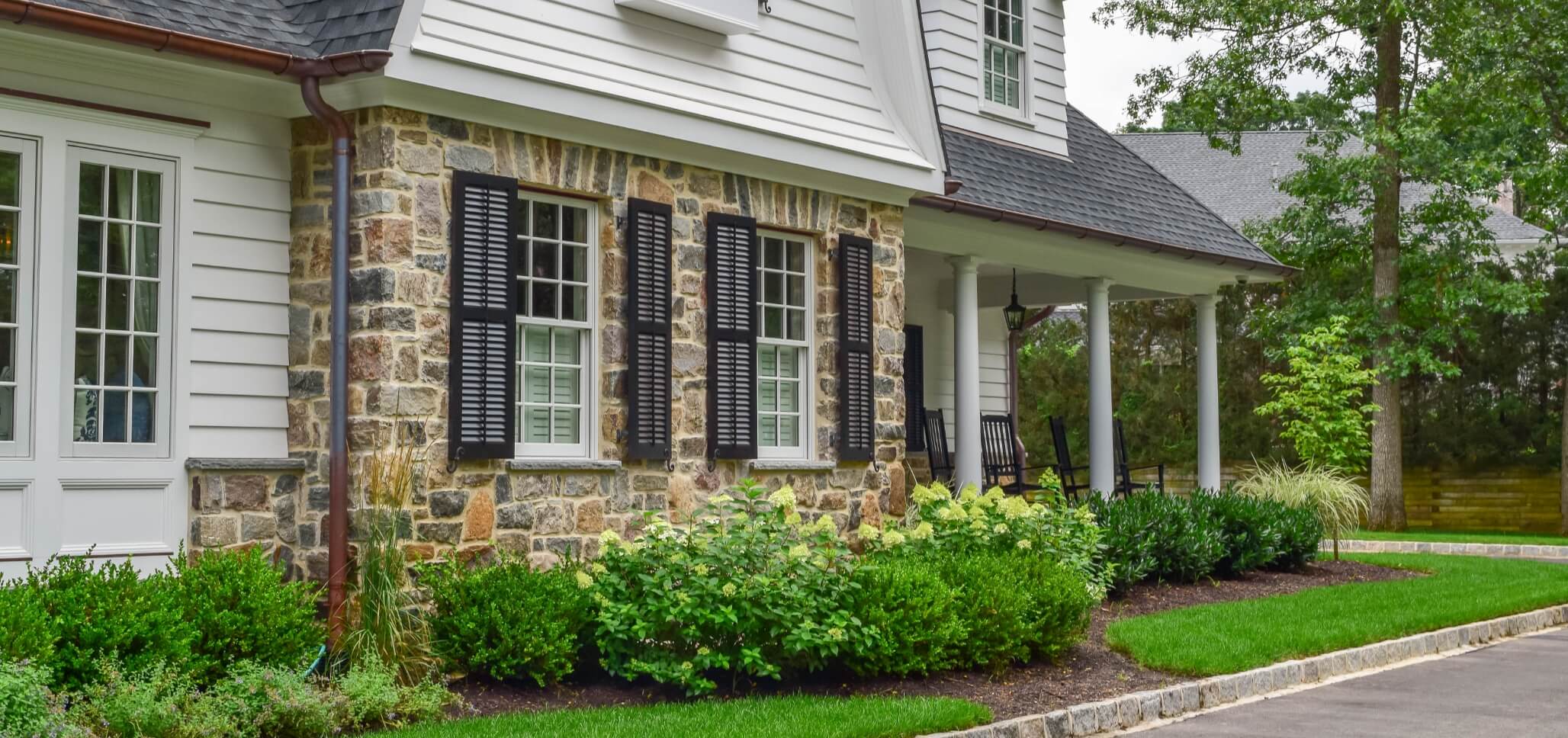
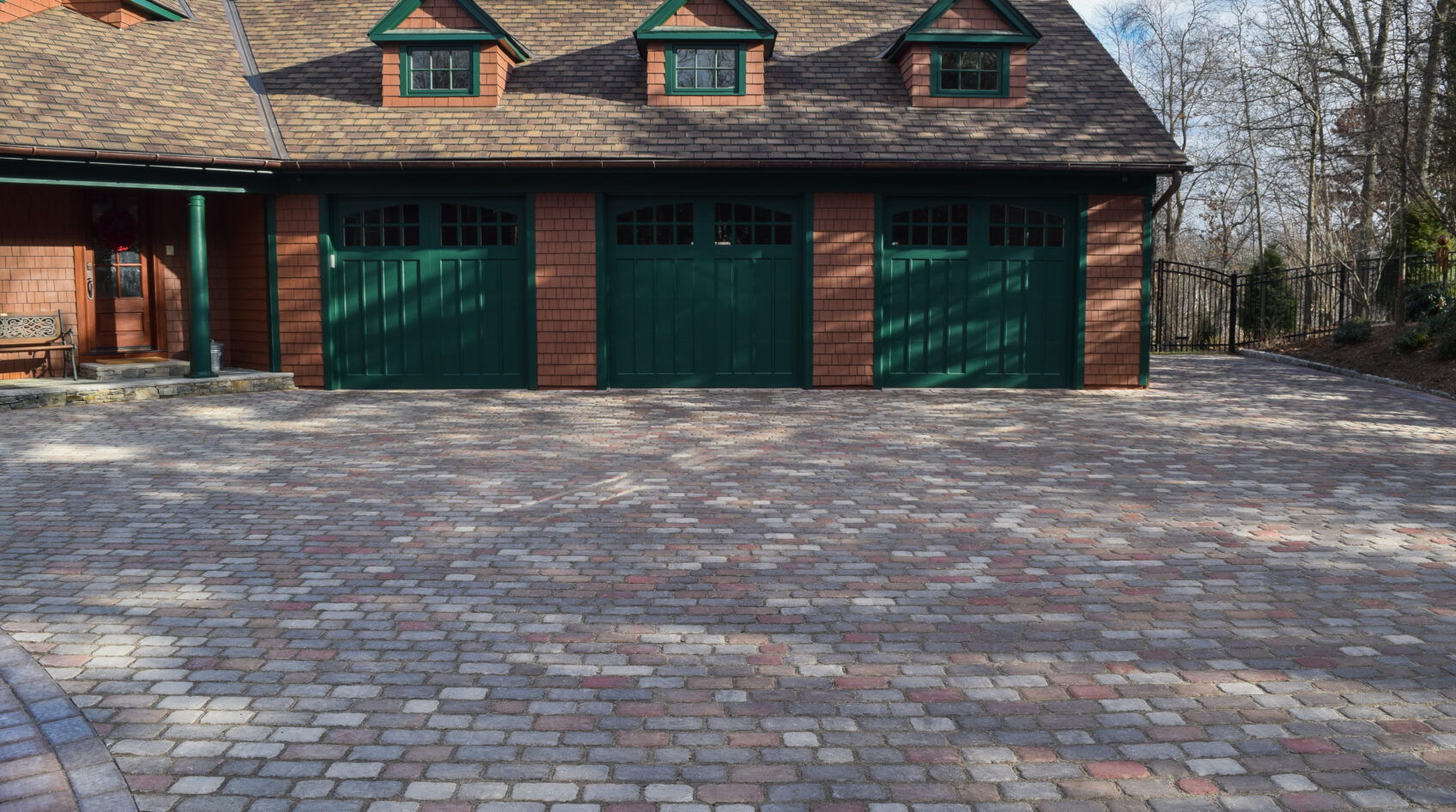
Your driveway might not be the first thing you think about when designing your home’s exterior, but it plays a bigger role in curb appeal than you might realize. After all, it’s one of the first things people see when they pull up to your house.
A well-designed driveway can complement your home’s architecture, tie together your landscaping, and create a welcoming first impression. On the other hand, a driveway that clashes with your home’s colors or style can make even a beautiful property feel a little disconnected.
Whether you’re building a new home, replacing an aging driveway, or simply looking for ways to improve your curb appeal, choosing the right driveway materials is an important part of the process.
The good news? You don’t have to match every color or texture perfectly to create a cohesive look.
Here’s how to choose driveway materials, colors, and patterns that complement your home’s exterior and bring your entire landscape together.
1. Start with Your Home’s Architectural Style
Before choosing a driveway material, take a look at your home’s overall architectural style.
Is your home traditional, modern, farmhouse-inspired, or somewhere in between?
Your driveway should feel like a natural extension of the house rather than a completely separate design element.
For example, a traditional colonial home often pairs beautifully with classic brick-inspired paving stones or textured concrete pavers. These materials complement the home’s symmetrical architecture and timeless appearance.
A modern home, on the other hand, may benefit from larger-format paving stones with clean edges and a smooth finish. Simple layouts and neutral colors can reinforce the streamlined appearance of contemporary architecture.
For farmhouse-style homes, consider paving stones with subtle texture and natural color variations. Warm grays, soft browns, and weathered finishes can create a relaxed, welcoming look.
If you have a Mediterranean-inspired home, warmer tones and more decorative paving patterns may complement the exterior’s architectural details.
The goal isn’t to follow a strict set of design rules. It’s to choose materials that support the character your home already has.
2. Choose Driveway Colors That Complement Your Exterior
Color is one of the most important factors when matching your driveway to your home’s exterior.
While it might seem easiest to choose a paving stone that’s the exact same color as your siding or brick, that isn’t always the best approach.
In fact, a little contrast can make your driveway and home look more balanced.
Start by identifying the main colors of your home’s exterior, including the siding, brick, stone veneer, roofing, trim, and garage doors.
Then, look for driveway materials that complement those colors without competing for attention.
For White or Light-Colored Homes
White, cream, and light beige exteriors offer plenty of flexibility when choosing driveway colors.
Medium gray pavers can create a clean contrast, while warm taupe or beige tones can produce a softer, more traditional appearance.
If you prefer a modern look, consider charcoal accents or a darker border to help define the driveway.
For Red Brick Homes
Red brick homes often look best with paving stones that complement the brick’s undertones rather than matching the red exactly.
Charcoal, gray, brown, and muted earth tones can all work well.
A driveway with subtle color blending can help connect the brick exterior with surrounding landscaping without overwhelming the design.
For Gray or Blue Homes
Homes with cool-toned siding often pair naturally with gray, charcoal, and bluestone-inspired paving stones.
For a more cohesive appearance, choose colors that share similar undertones.
If your home’s exterior is a darker blue or charcoal, a lighter driveway can provide contrast and keep the front of the property from feeling too dark.
For Beige or Earth-Toned Homes
Warm exterior colors often pair well with tan, brown, taupe, and blended neutral paving stones.
These colors can complement natural stone accents, wooden details, and surrounding greenery.
For a little contrast, consider incorporating a darker driveway border or choosing pavers with a mix of warm and cool tones.
One helpful tip is to bring home samples of your preferred paving stones before making a final decision.
Colors can look very different in natural sunlight than they do in a showroom or online photograph.
3. Consider the Texture and Finish of Your Driveway
Color isn’t the only thing that influences how your driveway looks next to your home.
Texture can make just as much of a difference.
Manufactured concrete paving stones are available in a variety of finishes, from smooth and contemporary to textured and weathered.
If your home features natural stone veneer, exposed brick, or rustic architectural details, a textured paver may help create a more cohesive appearance.
For homes with smooth siding, simple trim, and modern architectural features, a cleaner paver finish may be a better fit.
However, you don’t necessarily need to repeat the same texture throughout your property.
For example, a home with heavily textured stone veneer might look beautiful with a smoother driveway that provides visual balance.
It’s also important to think about practicality.
Driveways need materials that can withstand vehicle traffic, changing weather conditions, and regular use.
Not every decorative paving stone is suitable for a driveway, so be sure to choose a product approved for vehicular applications.
4. Use Driveway Borders to Tie Everything Together
Sometimes, the smallest design details make the biggest difference.
A driveway border is one of the easiest ways to connect your driveway to the rest of your home’s exterior.
Borders can introduce a contrasting color, define the driveway’s edges, and create a more finished appearance.
For example, if your home has dark shutters or a charcoal-colored roof, a darker paver border can help carry those colors into the landscape.
If your home features warm brick or natural stone accents, a border in a complementary earth tone can create a similar connection.
You can also use borders to coordinate your driveway with nearby walkways, patios, or garden walls.
For a subtle look, choose a border that’s only slightly darker than the main driveway pavers.
If you want a more dramatic design, consider a stronger contrast between the main surface and the edging.
Just be careful not to introduce too many different colors or patterns.
A simple, consistent design often creates a more polished appearance than one with several competing details.
5. Match Your Driveway to Your Walkways and Landscaping
Your driveway doesn’t exist on its own. It’s part of a larger landscape that includes your front walkway, lawn, garden beds, and other outdoor features.
When these elements work together, your entire property feels more connected.
One way to create consistency is to use complementary paving materials for your driveway and front walkway.
They don’t have to be identical, but choosing similar colors, textures, or patterns can help establish a natural transition between the two spaces.
For example, a driveway made from gray concrete pavers could connect to a front walkway featuring similar gray tones with a different laying pattern.
You can also coordinate driveway materials with retaining walls, landscape edging, or stone veneer.
Landscaping plays an important role, too.
Soft greenery can balance the structured appearance of a paver driveway, while decorative stone and garden borders can help tie together the hardscape materials.
If you’re planning a larger exterior renovation, it may be worth choosing your driveway materials at the same time as your walkway and landscaping features.
This can help create a cohesive design from the beginning rather than trying to match everything later.
6. Choose a Driveway Pattern That Fits Your Home
The pattern of your driveway can influence its overall appearance just as much as the color and material.
Some laying patterns feel traditional and detailed, while others create a cleaner, more contemporary look.
A herringbone pattern, for example, is a popular choice for paver driveways because of its classic appearance and interlocking arrangement.
Running bond patterns can create a simpler, more linear look, although their suitability depends on the paver system and expected traffic.
For homeowners who prefer a more natural appearance, certain paving stone collections offer multi-size patterns that create subtle variation across the surface.
The scale of the pattern matters as well.
A large driveway may be able to accommodate a more detailed design without looking too busy, while a smaller driveway might benefit from a simpler layout.
Before settling on a pattern, make sure it’s approved for the paving stones you’ve selected and appropriate for vehicular use.
An experienced hardscape contractor can help you choose a layout that looks attractive while meeting the driveway’s structural requirements.
7. Think About Your Home’s Long-Term Appearance
When choosing driveway materials, it’s easy to focus on what looks best right now.
But a driveway is a long-term investment, so it’s worth considering how your design choices will hold up over time.
Trendy colors and elaborate patterns can be appealing, but a more timeless design may give you greater flexibility if you decide to update your home’s exterior later.
Neutral paving stones are often a practical choice because they can complement a wide range of siding colors, roofing materials, and landscaping styles.
Gray, taupe, charcoal, and natural stone-inspired blends can all provide a versatile foundation for your exterior design.
Maintenance is another important consideration.
Concrete pavers, natural stone, asphalt, and poured concrete all have different cleaning, repair, and maintenance requirements.
If you’re choosing a paver driveway, consider how easily individual stones can be replaced, whether sealing is recommended, and how the material should be maintained during New Jersey winters.
You should also think about drainage.
A driveway that looks beautiful but directs water toward your home or garage can create expensive problems.
Proper grading, base preparation, and drainage design should always be part of the installation process.
What Driveway Material Is Best for Your Home?
Once you have a general design in mind, the next step is choosing a material that fits both your style and practical needs.
Here are a few common options worth considering.
Concrete Pavers
Manufactured concrete pavers are a popular choice for homeowners who want flexibility in color, texture, and pattern.
Brands like Cambridge and Techo-Bloc offer collections with a variety of traditional and contemporary appearances.
Concrete pavers can also be used to create decorative borders and coordinated walkways.
Be sure to choose a collection and installation system approved for driveway applications.
Natural Stone
Natural stone offers unique color variations and textures that can complement traditional, rustic, and high-end residential designs.
Certain natural stone products may be appropriate for driveways when properly selected and installed.
However, suitability depends on the type of stone, thickness, finish, and expected vehicle loads.
Natural stone driveway installations may also require specialized construction methods.
Asphalt
Asphalt is a familiar driveway material that provides a simple, continuous surface.
Its dark appearance can complement many home styles, particularly when paired with decorative stone or paver borders.
While asphalt typically offers fewer design options than manufactured paving stones, it may be a practical choice depending on your budget and maintenance preferences.
Permeable Pavers
If drainage is a concern, permeable paving stones may be worth considering.
These systems are designed to allow rainwater to pass through the joints and into a specially prepared stone base below.
Permeable pavers can provide an attractive driveway surface while helping manage stormwater runoff.
However, they require specific installation methods, suitable site conditions, and routine maintenance to function properly.
Bringing Your Driveway Design Together
Matching your driveway to your home’s exterior doesn’t mean choosing identical colors or materials for every surface.
It’s about creating a design where the colors, textures, patterns, and surrounding landscape feel connected.
Start by considering your home’s architectural style and exterior colors. Then, explore driveway materials that complement those features while meeting your practical needs.
Think about how the driveway will connect to your front walkway, landscaping, and other hardscape elements.
And remember that the best driveway design is one that balances appearance with durability, drainage, and everyday functionality.
For homeowners in New Jersey and throughout the Northeast, taking the time to compare materials and view samples in person can make the selection process much easier.
At Braen Supply, we offer a variety of driveway materials, including manufactured concrete paving stones and natural stone products, to help homeowners create a cohesive exterior design. Whether you’re planning a complete driveway renovation or exploring your options, our team can help you compare materials, colors, and styles for your project.
Frequently Asked Questions About Matching Your Driveway to Your Home
1. Should my driveway match the color of my house?
Not necessarily. Your driveway should complement your home’s exterior rather than match it exactly. Choosing paving stones with similar undertones or introducing a subtle contrast can create a more balanced appearance. For example, a white home may look beautiful with medium gray pavers, while a red brick home might pair well with charcoal or earth-toned driveway materials.
2. What color driveway makes a house look more expensive?
There’s no single driveway color that works for every home, but neutral tones such as charcoal, gray, taupe, and natural stone-inspired blends can create a polished appearance. The most important factor is choosing a color that complements your home’s architecture, exterior finishes, and landscaping. A well-designed border and consistent material choices can also contribute to a more upscale look.
3. What is the best driveway material for curb appeal?
Manufactured concrete pavers and suitable natural stone products offer a wide range of design possibilities for homeowners focused on curb appeal. Concrete pavers are available in numerous colors, textures, and patterns, making them especially versatile. The best choice depends on your home’s architectural style, budget, maintenance preferences, and the requirements of your driveway.
4. Should my driveway and front walkway use the same pavers?
They don’t have to use the exact same paving stones, but coordinating the colors, textures, or patterns can help create a cohesive appearance. Some homeowners choose the same paver collection for both areas, while others use complementary materials to distinguish the driveway from the walkway. Just make sure the driveway pavers are approved for vehicle traffic.
5. Are light or dark pavers better for a driveway?
Both light and dark pavers can work well for driveways. Lighter colors may create a more open appearance and can absorb less solar heat than darker alternatives, depending on the material. Darker pavers can provide contrast and complement contemporary homes, but may become hotter in direct sunlight. The best choice depends on your home’s exterior colors, design preferences, climate, and maintenance expectations.