
Winter in Northern New Jersey can be tough on an outdoor living space. Snow, ice, freezing temperatures, deicing materials, and repeated freeze-thaw cycles can all take a toll on patios, walkways, retaining walls, landscaping, and outdoor features.
Taking some time to prepare your backyard before the first major freeze can help protect your investment and make your spring cleanup considerably easier.
Before winter settles in, use this hardscaping and landscaping checklist to get your outdoor space ready for the colder months ahead.
1. Give Your Patio a Final Fall Cleanup
Before temperatures drop, remove leaves, branches, dirt, and other debris from patios and walkways.
Wet leaves left on hardscape surfaces for extended periods can break down and leave behind organic staining. Debris can also collect in joints and drainage areas.
Sweep or blow off your patio regularly throughout the fall, paying particular attention to corners, steps, walls, and areas beneath outdoor furniture.
Starting winter with a clean surface can make maintaining your hardscape much easier throughout the season.
2. Clean Your Pavers Before Winter
Fall is a good time to give your pavers one final cleaning.
Remove dirt, food spills, grease, leaves, and other stains before they sit on the surface throughout the winter. Depending on your paver material and the type of staining, an appropriate paver cleaner may be necessary.
Power washing may also be appropriate for certain surfaces, but it should be done carefully. Excessive pressure can potentially damage some materials or remove joint sand.
Always follow the paver manufacturer’s cleaning and maintenance recommendations before using a pressure washer or cleaning product.
3. Inspect Pavers and Repair Problem Areas
Once the patio is clean, inspect it for cracked, loose, settled, or uneven pavers.
Pay particular attention to areas where water tends to collect. Standing water can become more problematic during winter as temperatures repeatedly move above and below freezing.
If you notice significant settling or drainage problems, addressing them before winter may help prevent the issue from becoming worse.
Also inspect the edges of the patio and any transitions into walkways, steps, or other hardscape areas.
4. Check Your Paver Joints
Take a close look at the joints between your pavers.
If joint material has been lost, certain paver installations may benefit from having the appropriate joint material replenished before winter. Properly maintained joints contribute to the stability of the pavement system.
If your patio uses polymeric sand, follow the manufacturer’s installation instructions carefully.
Permeable paver systems require different joint materials and maintenance procedures, so be sure you understand the type of pavement system you have before adding anything to the joints.
5. Prepare for Snow and Ice
Snow and ice removal is one of the biggest considerations when caring for hardscaping during a Northern New Jersey winter.
Before the first storm, make sure your snow shovel is appropriate for your patio or walkway surface. Plastic-edged shovels can be a better choice for many decorative hardscapes because metal edges may scratch or chip certain surfaces.
When possible, remove snow relatively soon after a storm rather than allowing repeated foot traffic to compact it into ice.
Mechanical snow removal should always be performed carefully around decorative pavers, steps, walls, and other hardscape features.
6. Be Careful With Rock Salt and Other Deicers
Rock salt is commonly used to melt snow and ice, but it should be used cautiously around pavers, concrete, natural stone, and other hardscape materials.
Deicing salts can contribute to surface deterioration, scaling, discoloration, and other damage on certain materials, particularly with repeated use. Salt can also be carried onto patios and walkways from nearby roads, driveways, shoes, or snow piles.
Before applying rock salt or another deicing product, check the recommendations provided by the manufacturer of your specific paver or hardscape material. Some manufacturers recommend particular types of deicers or advise against certain products entirely.
Use only as much deicer as necessary rather than repeatedly applying heavy layers.
7. Clean Away Rock Salt Residue
Even if you do not intentionally use rock salt on your patio, salt residue can still find its way onto pavers during the winter.
Boots, snow-removal equipment, runoff, and snow shoveled from nearby surfaces can all carry deicing salts onto hardscaping.
When weather conditions allow, remove excess salt and residue rather than allowing it to remain on the surface for long periods. Once winter is over, thoroughly clean hardscape areas to remove any remaining salt residue and winter grime.
This should be an important part of your spring maintenance routine, as prolonged exposure to deicing salts can be hard on certain pavers and masonry surfaces.
8. Inspect Retaining and Seating Walls
Take a walk around retaining walls, seating walls, garden walls, steps, and other masonry features before winter.
Look for loose caps, movement, cracks, or other changes that may need attention.
Also make sure drainage areas around retaining walls are clear of leaves and debris. Water management becomes especially important when freezing temperatures arrive.
If a wall shows significant movement, leaning, or other structural concerns, have it evaluated by a qualified professional.
9. Clear Your Drainage Systems
Good drainage is essential throughout the year, but it becomes especially important heading into winter.
Clear leaves, dirt, and other debris from catch basins, channel drains, downspout areas, and other drainage features.
Walk around the property after a heavy fall rain and pay attention to where water collects. Persistent puddling on patios, along walls, or near the foundation may indicate a drainage issue worth addressing.
For permeable paver systems, keeping the joints free of excessive debris is also important for maintaining infiltration.
10. Prepare Landscape Beds and Mulch
Fall preparation is not limited to hardscaping.
Remove excessive leaves, weeds, and dead annuals from landscape beds. Depending on the plants in your landscape, certain perennials can be cut back while others may be left standing through winter.
Check your mulch as well. An appropriate layer of mulch can help insulate the soil and protect plant roots as temperatures fluctuate.
Avoid piling mulch directly against tree trunks, shrubs, or the foundation of your home.
11. Prepare Plants for Cold Weather
Take some time to evaluate your trees, shrubs, and perennial plantings before freezing temperatures arrive.
Remove damaged branches where appropriate and identify plants that may require additional winter protection. Newly planted or particularly vulnerable plants may benefit from additional care depending on the species and site conditions.
Outdoor planters should also be considered. Some containers may crack when water freezes and expands inside them, so emptying or storing vulnerable pots may help prevent damage.
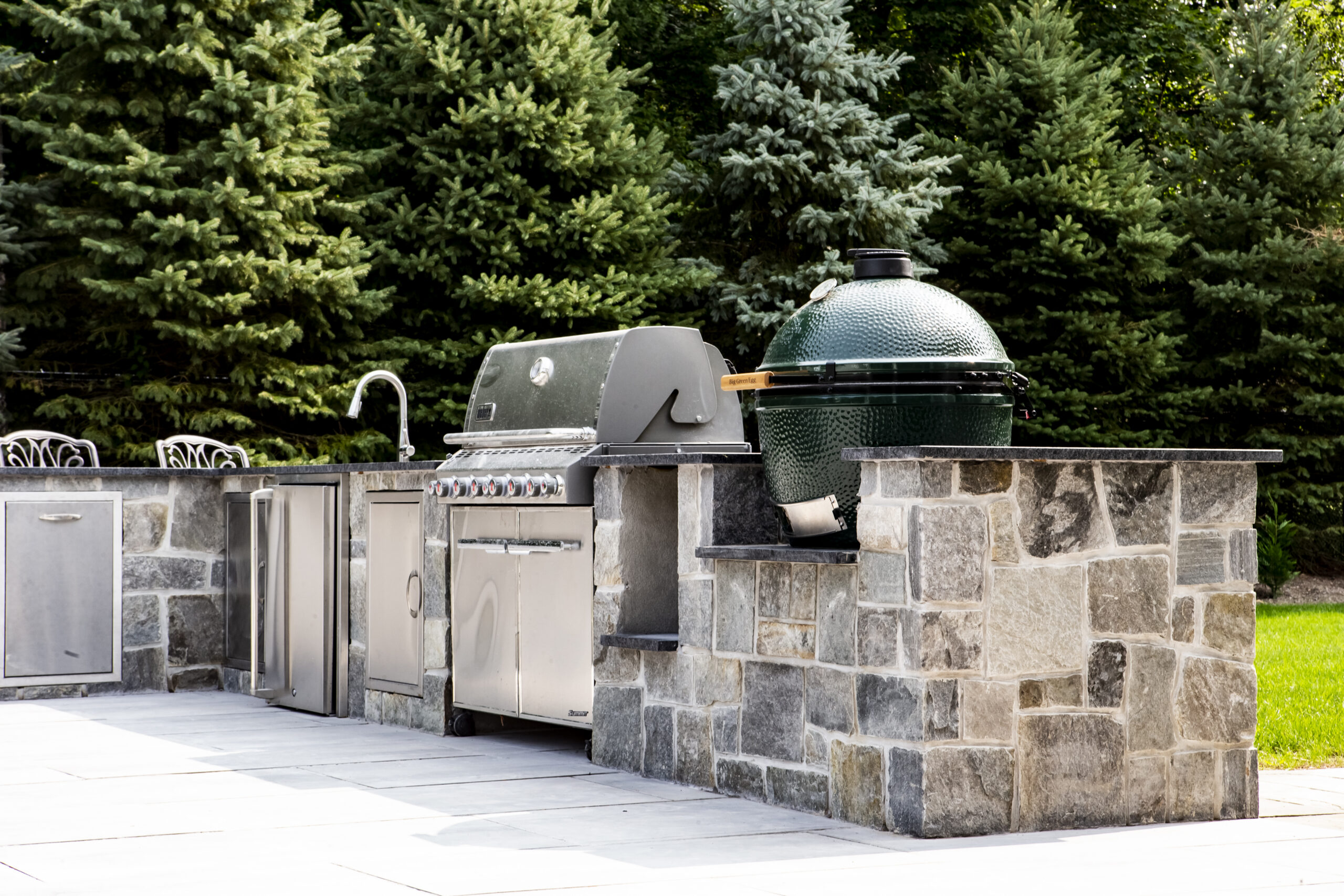
12. Winterize Your Outdoor Kitchen
If you have an outdoor kitchen, proper winter preparation is particularly important.
Clean grills, countertops, cabinets, and appliances before closing the kitchen for the season. Follow manufacturer instructions for winterizing refrigerators, ice makers, sinks, water lines, and other equipment.
Water left inside plumbing components can freeze and expand, potentially causing significant damage.
Shut off and winterize water lines where required, and protect appliances according to their specific manufacturer recommendations.
This is also a good opportunity to remove food, beverages, and other items that should not remain outdoors during freezing temperatures.
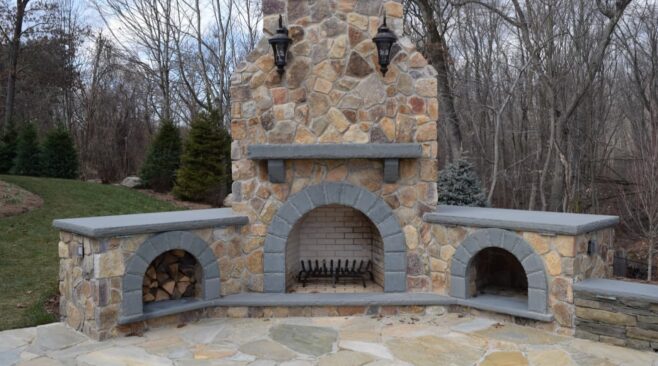
13. Prepare Your Fire Pit or Outdoor Fireplace
Your fire feature may continue to get plenty of use during fall and winter, but it still deserves a seasonal inspection.
Remove excess ash and debris from wood-burning features and inspect the surrounding masonry for visible damage.
For gas fire pits and fireplaces, follow the manufacturer’s seasonal maintenance recommendations. If you plan to continue using the feature throughout winter, keep the surrounding area clear of snow and combustible debris and follow all operating and clearance requirements.
Never assume a fire feature can be covered or enclosed while operating simply because temperatures are cold.
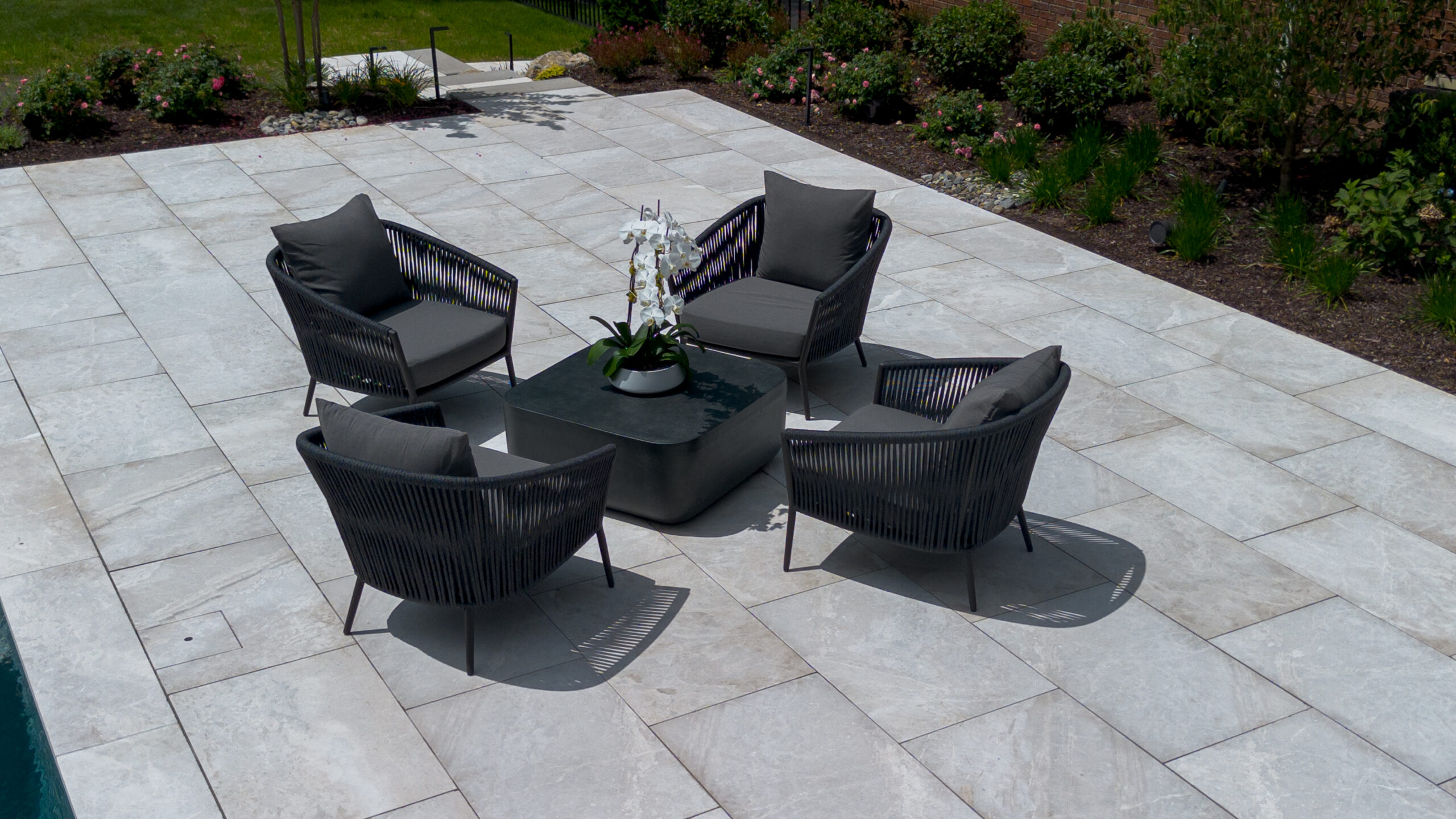
14. Clean and Store Outdoor Furniture
Outdoor furniture can take a beating during a New Jersey winter.
Clean tables, chairs, cushions, umbrellas, rugs, and accessories before storing them. Allow everything to dry completely to help prevent mildew or unwanted odors.
Whenever possible, store cushions, fabrics, and vulnerable furniture indoors or in a protected location.
For furniture that remains outdoors, use covers designed for the specific pieces and secure them properly so they do not become loose during winter storms.
15. Check Your Landscape Lighting
Before snow begins covering portions of your landscape, inspect outdoor lighting.
Clean lenses, straighten fixtures, replace damaged components, and make sure walkways and steps are properly illuminated.
Winter means shorter days, making functional outdoor lighting particularly valuable around entrances, driveways, steps, and walkways.
It is much easier to address a lighting issue during a mild fall afternoon than after the ground is frozen and covered with snow.
16. Do One Final Walkthrough
Once the major winter preparation is complete, walk around the entire property one final time.
Check your patio, walkways, driveway, retaining walls, steps, outdoor kitchen, fire features, drains, landscape beds, and furniture.
Look for anything that could collect water, become damaged by freezing temperatures, or create a problem during snow removal.
A little extra preparation in the fall can prevent an unpleasant surprise when spring arrives.
Protect Your Outdoor Space This Winter
Winter preparation may not be the most exciting part of outdoor living, but it plays an important role in protecting the investment you have made in your property.
Cleaning pavers, inspecting joints, clearing drainage systems, preparing landscaping, winterizing outdoor kitchens, storing furniture, and planning ahead for snow and ice can all help your backyard handle the colder months.
Pay particular attention to deicing products. While rock salt is commonly used during winter, repeated salt exposure can be damaging to certain pavers and masonry materials. Follow the recommendations for your specific hardscape products, avoid unnecessary overapplication, and clean away salt residue when conditions allow.
When spring finally returns, you will be glad you did the work ahead of time.
Whether you need jointing materials, replacement pavers, landscape materials, or supplies for your next outdoor project, Braen Supply can help you prepare your property for winter and get it ready for another season of outdoor living.
Frequently Asked Questions
1. How do I prepare my patio and landscaping for winter?
Start by removing leaves, dirt, and debris from your patio, walkways, and landscape beds. Inspect your pavers for cracks or uneven areas, clear drainage systems, and check retaining walls for signs of damage. You should also winterize outdoor kitchens, protect vulnerable plants, and properly store outdoor furniture before freezing temperatures arrive.
2. Can I use rock salt on my pavers during winter?
Rock salt can damage certain types of pavers, natural stone, and concrete surfaces, especially with repeated use. Before applying any deicing product, check your paver manufacturer’s recommendations. Use only the amount necessary to manage ice and remove leftover salt residue when weather conditions allow.
3. Do I need to seal my patio pavers before winter?
Not all patio pavers require sealing before winter. Depending on the material, sealing may help protect against staining and moisture absorption. However, some pavers and natural stone products have specific sealing requirements. Always consult your manufacturer’s guidelines before applying a sealer.
4. How can I prevent winter damage to my retaining walls and walkways?
Proper drainage and routine maintenance are essential for protecting retaining walls and walkways during winter. Clear debris from drainage areas, inspect for loose or shifting materials, and address areas where water collects. Taking care of these issues before freezing temperatures arrive can help reduce potential damage caused by freeze-thaw cycles.
5. When should I start preparing my outdoor living space for winter?
The best time to winterize your patio and landscaping is during the fall, before Northern New Jersey experiences its first major freeze. Preparing early gives you time to clean hardscaping, make necessary repairs, protect outdoor features, and ensure your property is ready for snow and ice.