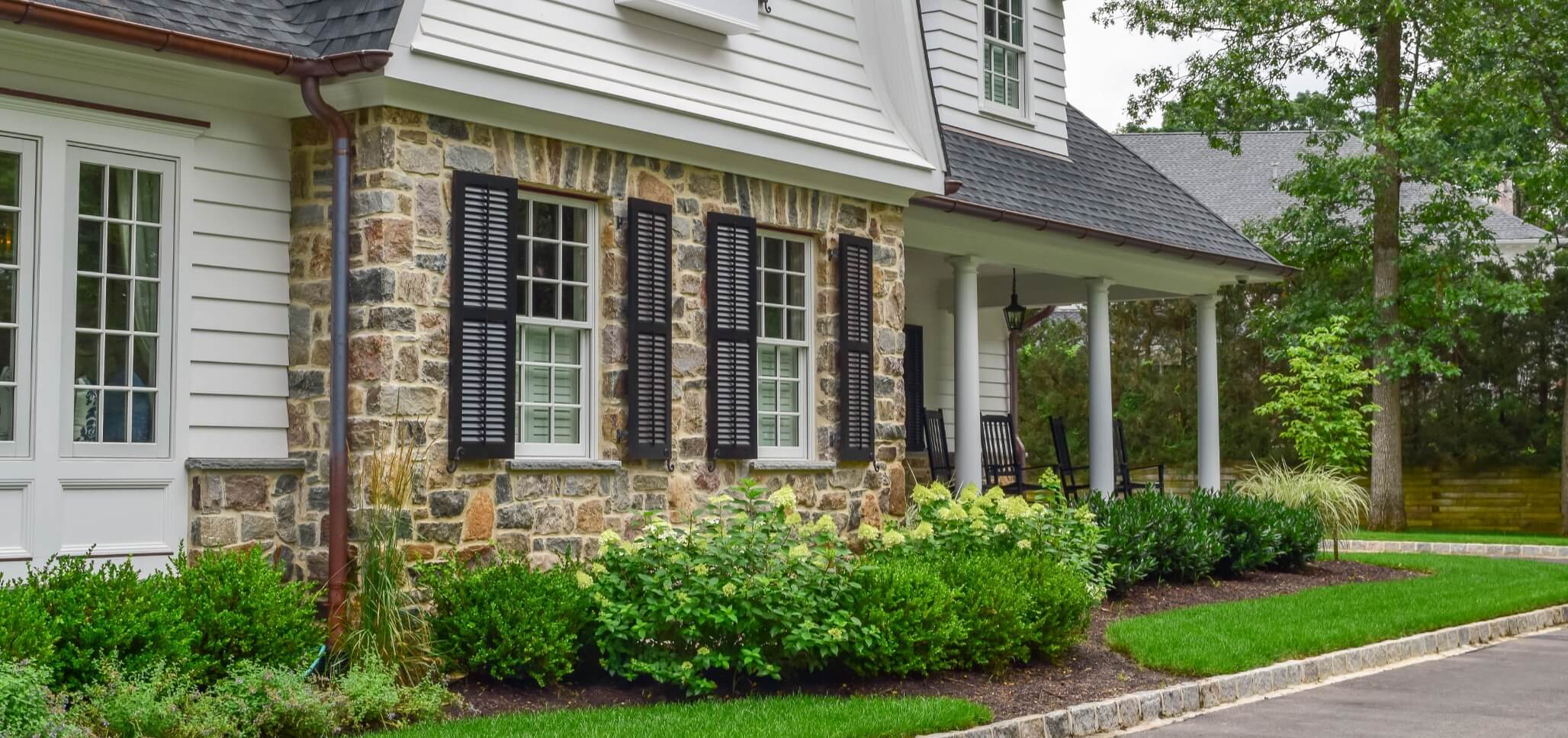
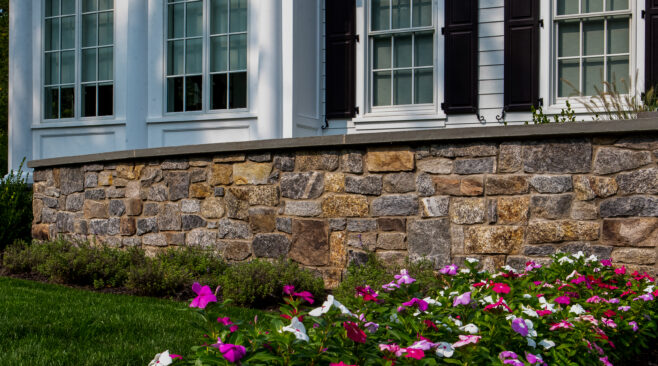

How can the mortar holding your thin stone facade have a measurable eco-impact? As sustainable building gains momentum, even the adhesives and mortars in our walls are getting an eco-friendly makeover. Thin veneers are already greener by virtue of using less material. Now, they are even more so when paired with innovative low-carbon mortars and “no-mix” adhesives. The result is beautiful veneer facades that are easier on the planet. Let’s see how new mortar technologies and installation methods are making thin veneer construction more environmentally responsible, without sacrificing durability or style.
Thin Veneer Is Eco-Friendly by Nature
Thin veneer products (whether brick or stone) have a head start in sustainability simply by being slim. Using 3/4- inch thin brick rather than full 4-inch brick means significantly less raw material is mined, fired, and transported. In face, thin brick veneer can be far more eco-friendly than conventional masonry.
- Lower Material & Energy Use: A thin brick veneer wall uses only a fraction of the clay and cement of a full-size brick wall. This translates to a much smaller carbon footprint. One manufacturer notes that thin brick has 80% lower embodied energy than full thickness brick. The lightweight units (around 0.65 lb each, versus ~3.8 lbs for a standard brick) also allow to single truck to haul almost six times more wall area, drastically cutting transportation fuel per square foot.
- Recycled Content: Many thin veneer products incorporate recycled materials, further boosting their sustainability. For example, some “greener” thin bricks use 40% to 100% recycled material content (such as reclaimed brick dust or post-industrial waste) in their mix. Choosing veneers with recycled content means less virgin resource extraction and giving new life to waste streams.
Using less material and more recycled content doesn’t just save resources. It often makes installation easier and reduces job site waste as well. It’s a smart first step toward a greener wall even before we pick up the mortar bag.
Advancements in Green Mortars for Thin Veneer
Traditional mortar isn’t known for eco-friendliness, but that’s changing with developments in chemistry. New lightweight, high-coverage mortars are emerging as eco-friendly champions for thin veneer installation. These are polymer-modified “thin-set” mortars engineered to be lighter and spread farther. For instance, one newly developed thin-set mortar uses a special “ultra-lite” aggregate that gives twice the coverage per pound compared to standard mortar. Impressively, it contains over 20% recycled content and has very low VOC emissions, and the manufacturer fully offsets the product’s carbon footprint. Using a lighter mortar means you need to haul and mix less material overall. This saves energy in transport and reduces dust on site while maintaining a strong bond. Plus, low volatile organic compound (VOC) levels ensure healthier air during application.
Masonry Adhesives and Mortarless Systems: Going “No-Mix”
Innovative installation techniques are also boosting sustainability by eliminating mortar altogether in some cases. Polymer-based masonry adhesives (essentially high-strength “glue” for brick and stone) are a game-changer for lightweight veneer jobs. Instead of mixing cement, installers can apply these adhesives from a tube (like caulk) to attach thin bricks or stones directly to the wall. Besides being incredibly convenient (just gun it on – no water, no power mixers, no heavy bags of mortar), these advanced adhesives are formulated to be environmentally friendly. Many are single-component products that are solvent-free and low-odor, so you avoid the dust exposure of mortar mixing. Their VOC content is extremely low – often under 30 g/L, which means little to no off-gassing and a safer indoor air quality during installation. For a homeowner adding a thin stone accent wall in a living room, that’s a big plus. Because you dispense only what you need, there’s minimal waste compared to mixing a whole batch of mortar (half of which might dry up unused on a small job). These “masonry glues” exemplify how going mortarless can both be cleaner and greener.
For large exterior applications, completely mortarless veneer systems have emerged that allow you to clad a wall without any wet cement. These systems use mechanical attachments – rails, clips, or interlocking panels – to secure the thin veneer units. The panels are made from recycled materials and simply fasten with masonry screws, entirely eliminating the need for mortar. Besides the benefit of avoiding cement’s carbon footprint, these systems make installation faster and often more precise (since each piece clicks into a predetermined place). Mortarless panels also tend to create less mess on site (no splashes or spills). Many include built-in spacing that promotes airflow and drainage behind the veneer. That helps walls stay dry – an extra durability perk. It’s inspiring to see that even in something as old-school as stone masonry, we’re finding new ways to build that align with recycled materials and low-carbon methods.
Interior vs. Exterior Thin Veneer: Green Benefits
Thin veneer innovations are making an impact both outdoors on facades and indoors on feature walls, but the priorities differ slightly in each case:
- Exterior Veneer Applications: Durability and weather resilience are paramount for outside walls, and today’s eco-friendly solutions deliver. Advanced thin-set mortars and panel systems are designed to handle rain, wind, and freeze-thaw cycles (e.g. polymer mortars maintain strong adhesion even through temperature swings). Some veneer panel systems even integrate insulation or air gaps. This improves energy efficiency by adding an extra thermal break to the building envelope. The sustainability benefits are twofold. You get a long-lasting, weatherproof facade with less cement use and potentially lower heating/cooling needs. All this contributes to a tighter, greener building exterior without losing the classic appeal of brick or stone.
- Interior Accent Walls & Fireplaces: Inside the home, health and ease-of-installation take center stage. Low-VOC mortars and adhesives ensure healthy indoor air, so you won’t smell or inhale harsh chemicals during or after installation. The convenience of pre-mixed adhesives or mortarless veneer panels is especially welcome in lived-in spaces. There’s no need for mixing buckets of mortar in your living room, and minimal dust means a cleaner process overall. Homeowners can add a stylish thin stone fireplace surround or a reclaimed brick kitchen wall without turning the house into a construction zone. The eco-friendly approach here is about creating beautiful interior finishes with zero toxic fumes and very little waste or cleanup. It’s a win for your home’s comfort and the planet.
Building a Greener Future
From the materials we use to how we stick them on the wall, every aspect of thin veneer construction is being re-imagined through a sustainability lens. The big picture is inspiring: by using thin veneers, we inherently conserve resources and energy. Now with cutting-edge green mortars, carbon-neutral adhesives, and mortarless systems, we’re drastically shrinking the environmental footprint of masonry work. These innovations are empowering architects, builders, and DIY enthusiasts to create gorgeous stone and brick surfaces that align with green building goals (even helping projects earn points for programs like LEED).
I’m excited to see this eco-friendly toolkit for thin veneer continue to grow. We’re proving that even traditional building elements can evolve towards a more sustainable future. By embracing these mortar innovations and installation techniques, we’re quite literally building green from the ground up.
Quality design deserves quality materials. Partner with Braen Supply to source reliable stone, veneer, and pavers tailored to your project requirements.
About the Author
Written in the voice of Braen Supply’s in-house expert persona, Gabriel Shaw. Shaw embodies the collective knowledge of our team and shares practical, straightforward tips to help landscape professionals make the most of their landscaping and masonry projects – drawing on decades of experiences serving New Jersey and the tri-state area.