
If you’ve started researching stone for your home or outdoor living project, you’ve probably come across the terms “thin veneer” and “full bed stone.” One of the most common questions I hear from homeowners is whether one is better than the other.
The truth is that both materials have their place. The right choice depends on your project, your budget, and how you plan to use the stone. I’ve worked with homeowners throughout New Jersey and Pennsylvania who have been surprised to learn that the visual difference between the two can be minimal while the installation process can be very different.
Let’s break down what you need to know before making a decision.
What Is Thin Veneer Stone?
Thin veneer is natural stone that has been cut to a thinner profile, typically around one inch thick. Because it weighs less than traditional full bed stone, it can be installed on a variety of surfaces without requiring the same structural support.
One of the biggest advantages of thin veneer is that it delivers the appearance of full natural stone while reducing installation complexity.
Popular thin veneer options include:
- Garrett Hill Thin Veneer for a timeless natural appearance
- Gulph Mills Thin Veneer for clean lines and a more contemporary look
- Peacefield Thin Veneer for warm, blended tones
- Hudson Thin Veneer for natural texture and depth
- New Paltz Thin Veneer for projects with a more structured design aesthetic
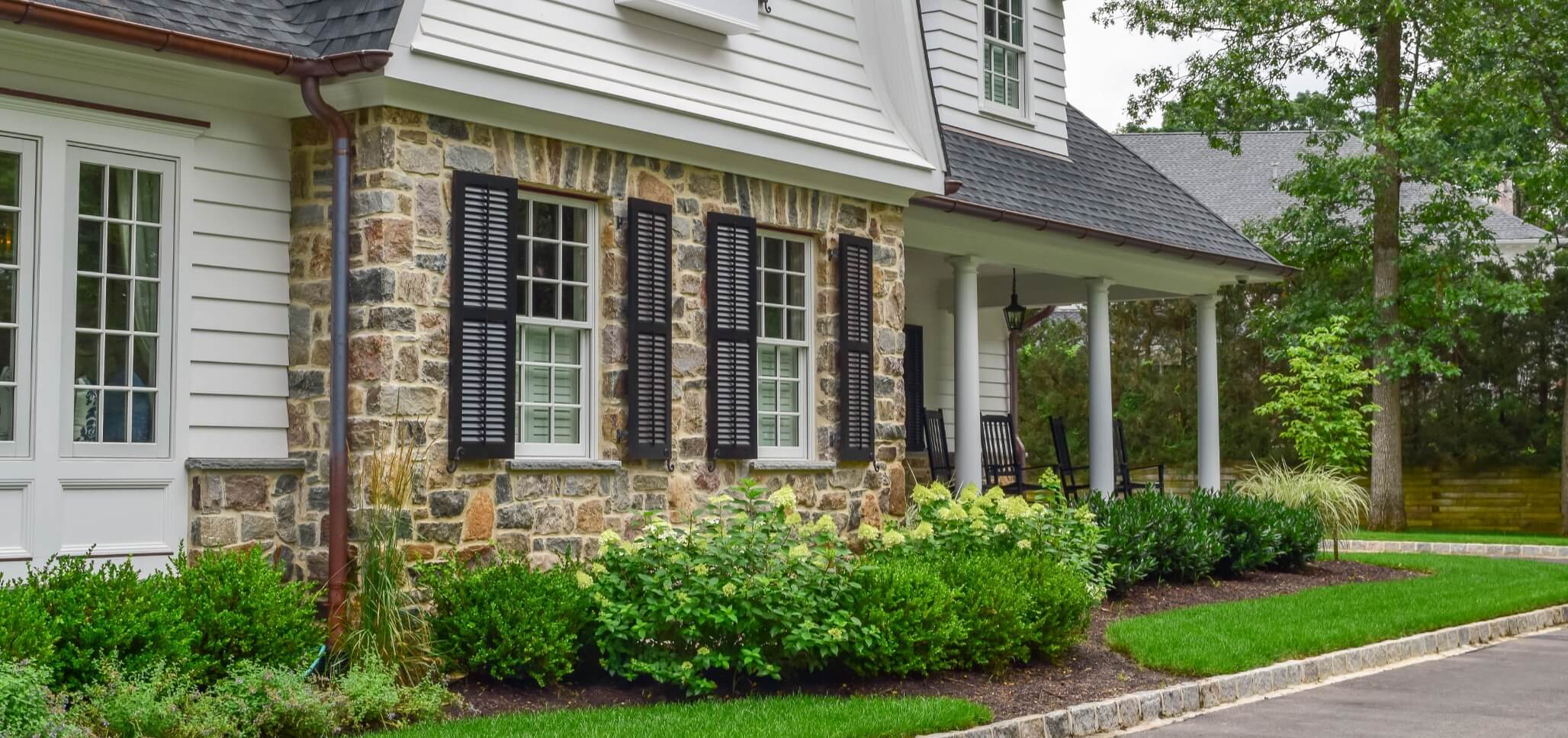
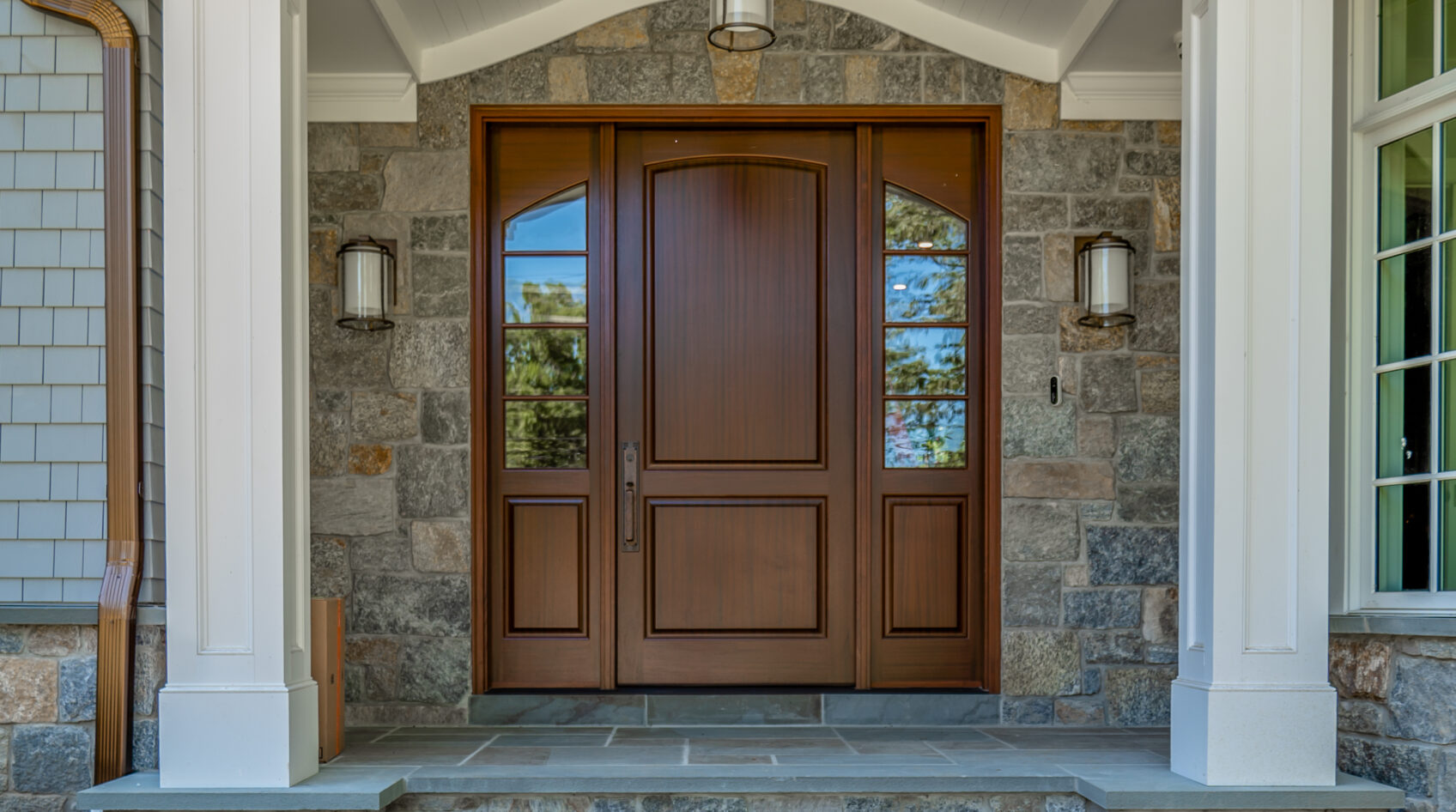
These products are commonly used on home facades, fireplaces, outdoor kitchens, accent walls, columns, and other vertical applications.
What Is Full Bed Stone?
Full bed stone is traditional natural stone that typically ranges from three to five inches thick. Because of its size and weight, it requires a proper footing or foundation and is often incorporated into structural masonry projects.
This is the type of stone commonly used for:
- Retaining walls
- Freestanding landscape walls
- Structural facades
- Large-scale commercial projects
- Certain custom residential builds
Full bed stone offers unmatched durability and a substantial appearance, but it also requires more labor and planning during installation.
Comparing Installation Requirements
One of the biggest differences between these materials comes down to installation.
Thin veneer can often be installed over properly prepared masonry, concrete, or framed wall systems. Since it weighs significantly less, contractors have more flexibility when designing outdoor living features.
Full bed stone requires additional support due to its weight. In many cases, this means deeper footings, stronger foundations, and more labor during construction.
For homeowners looking to complete a project efficiently, thin veneer is often the more practical choice.
Cost Considerations
Budget is another area where these materials differ.
While material costs can vary based on the specific stone selected, full bed stone projects generally involve:
- More labor
- More structural preparation
- Additional transportation and handling costs
Thin veneer can often provide a similar visual result while reducing overall installation expenses.
I always tell homeowners to look beyond the cost of the stone itself and consider the total installed cost of the project.
Which Material Works Best for Outdoor Living Spaces?
When it comes to outdoor living spaces, thin veneer has become one of the most popular choices I see today.
Homeowners love using products like Garrett Hill, Gulph Mills, Peacefield, Hudson, and New Paltz to create:
- Outdoor fireplaces
- Kitchen islands
- Seating walls
- Accent features
- Entertainment areas
The lighter weight and easier installation make it an ideal solution for many backyard projects.
That said, if you’re building a retaining wall or another structural feature, full bed stone may still be the better option.
How to Choose the Right Stone for Your Project
When deciding between thin veneer and full bed stone, ask yourself:
- Is the stone decorative or structural?
- What is my project budget?
- How important is installation speed?
- Does the structure have adequate support?
- What overall style am I trying to achieve?
The answers to these questions usually point homeowners in the right direction.
FAQs
Is thin veneer real stone?
Yes. Thin veneer is natural stone that has been cut into thinner pieces for easier installation.
Does thin veneer last as long as full bed stone?
When installed properly, thin veneer can provide decades of performance and durability.
Can thin veneer be used outdoors?
Absolutely. Thin veneer is commonly used on fireplaces, outdoor kitchens, facades, and many other exterior applications.
Is full bed stone stronger?
Full bed stone is generally used when structural strength is required, while thin veneer is primarily used as a facing material.
Ready to Choose the Right Stone?
Both thin veneer and full bed stone can create beautiful results when used correctly. The key is matching the material to your project’s goals.
If you’re planning an outdoor living space, fireplace, facade, or landscape feature, take the time to explore your options. The right stone can completely transform the look and feel of your property while adding lasting value for years to come.
Quality design deserves quality materials. Partner with Braen Supply to source reliable stone, veneer, and pavers tailored to your project requirements.
About the Author
Written in the voice of Braen Supply’s in-house expert persona, Reed Coulter. Coulter embodies the collective knowledge of our team and shares practical, straightforward tips to help landscape professionals make the most of their landscaping and masonry projects – drawing on decades of experience serving New Jersey and the tri-state area.