Driveways have traditionally been viewed primarily as functional elements of a property, but that perspective continues to change. As we approach 2027, homeowners and landscape professionals are giving driveway design greater consideration as part of the overall landscape.
Because the driveway often occupies a significant portion of the front of a property, its materials, colors, patterns, and relationship to the home can have a considerable impact on curb appeal.
Across Northern New Jersey, several emerging trends are helping transform the driveway from a purely practical surface into a more intentional design feature.
Warmer, More Natural Color Palettes
The movement toward warmer, earth-inspired colors is expected to influence driveway design in 2027.
While cool grays have been popular for years, homeowners are increasingly exploring warm grays, taupes, beiges, browns, and other natural tones that complement both traditional and contemporary architecture.
These colors can help soften the appearance of a large paved area while creating a stronger connection between the driveway, home, and surrounding landscape.
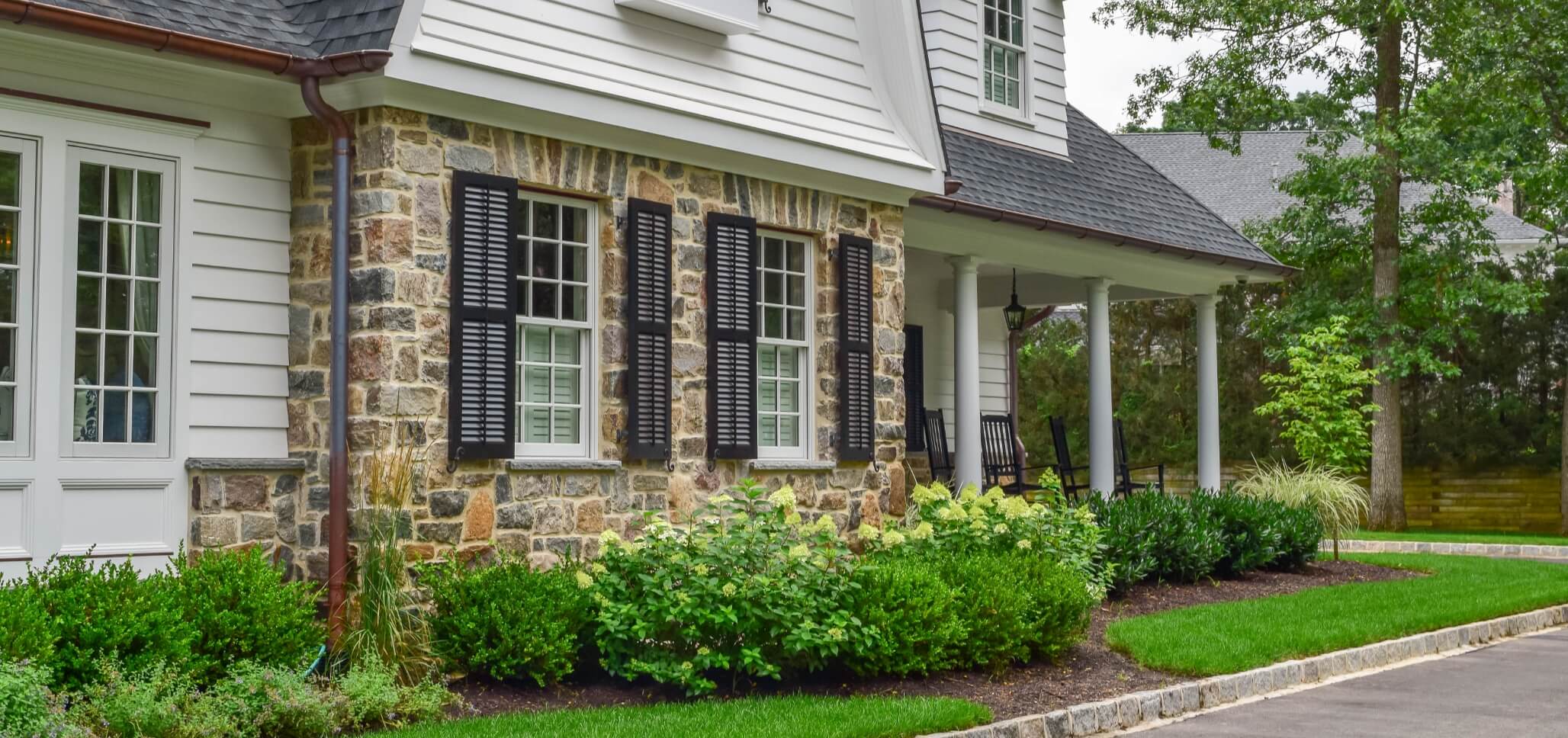
Rather than selecting a driveway material independently, I prefer to consider the colors already present in the home’s façade, walkways, steps, walls, and landscaping.
Paver Driveways With Greater Visual Interest
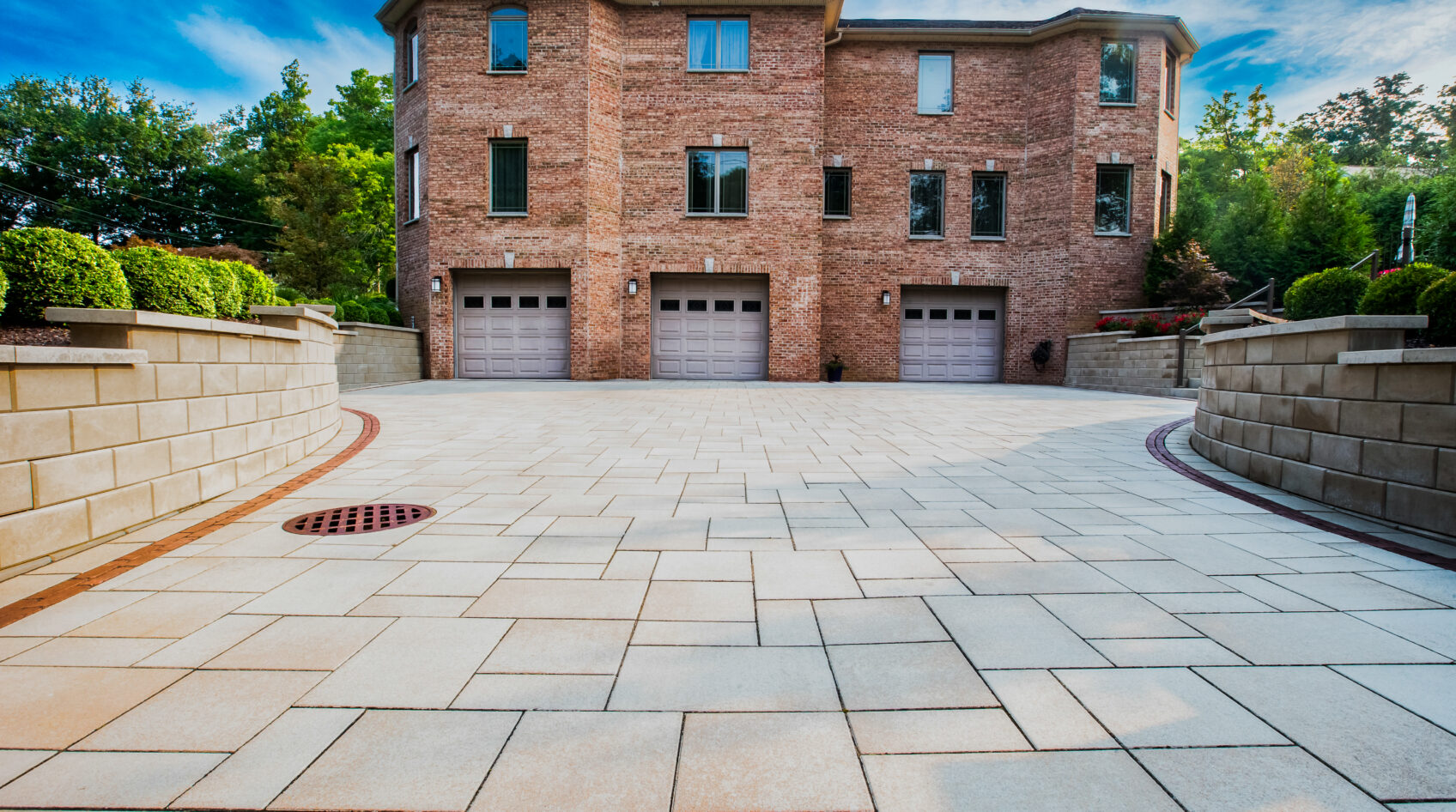
Concrete pavers continue to provide considerable flexibility for driveway design, and in 2027 I expect homeowners to become even more intentional with their selections.
Variation in size, texture, pattern, and color can add visual interest without overwhelming the front of the property.
Larger-scale pavers and more streamlined patterns can complement contemporary architecture, while textured and stone-inspired products can work particularly well with traditional homes.
The scale of the driveway should always be considered. A pattern that looks appealing in a small sample may create a very different impression when installed across a large area.
Permeable Driveways
As stormwater management becomes an increasingly important consideration in residential landscape design, permeable paving systems are likely to remain a significant driveway trend in 2027.
Permeable pavers are designed to allow water to infiltrate through the pavement system rather than immediately running across the surface into surrounding areas or storm drains.
For properties in Northern New Jersey, this approach can be particularly valuable where drainage and stormwater management are important considerations.
Permeability should not be treated simply as a product selection. The entire system, including the base and installation method, needs to be designed appropriately for the site.
Contrasting Borders and Accents
Borders are an effective way to introduce detail to a driveway without making the overall design feel overly complicated.
A contrasting paver can frame the driveway, emphasize its shape, or create a visual transition to an adjoining walkway. Borders can also be used to coordinate the driveway with other hardscape elements throughout the property.
For 2027, I expect to see more subtle contrast rather than dramatic differences in color.
A slightly darker border or a change in texture can provide enough definition while maintaining a sophisticated, cohesive appearance.
Mixed-Material Driveways
Another emerging direction is the thoughtful combination of materials.
Rather than treating the driveway as one uninterrupted surface, designers can use complementary pavers, natural stone accents, decorative stone, or other materials to introduce texture and break up larger areas.
Mixed materials can also help distinguish specific areas, such as an entry apron, parking court, walkway connection, or transition near the garage.
As with any mixed-material design, restraint is important. The materials should share a relationship in color, texture, or architectural style so the finished driveway feels intentional rather than fragmented.
Driveways That Coordinate With Walkways and Entrances
The driveway is often one of the first elements visitors encounter, which makes its relationship to the home’s entrance particularly important.
In 2027, I expect greater attention to be placed on coordinating driveway materials with front walkways, steps, landings, and entry features.
That does not mean every surface needs to use the same material. In fact, subtle differences can help establish hierarchy and guide visitors toward the front door.
A driveway might use one paver while the walkway introduces a complementary color or texture. Repeating the driveway border within the walkway can then help connect the two spaces.
These small decisions can make the entire front landscape feel more cohesive.
More Thoughtful Driveway Entrances
The point where a driveway meets the street offers another opportunity for design.
A defined driveway apron, subtle change in paving pattern, or complementary material can create a stronger sense of arrival and distinguish the entrance to the property.
On larger properties, landscaping, lighting, pillars, or stone walls can further reinforce this transition.
The goal should not necessarily be to make the entrance elaborate. Even a simple change in material or pattern can provide definition when it relates appropriately to the rest of the property.
Integrating the Driveway Into the Landscape
Because driveways can occupy such large areas, landscaping around their edges becomes particularly important.
Planting beds, trees, ornamental grasses, natural stone, and landscape walls can help soften expanses of hardscape and integrate the driveway into its surroundings.
Rather than designing the driveway first and adding landscaping afterward, both should ideally be considered together.
This allows the shape of the driveway, planting areas, walkways, and other elements to respond to one another, resulting in a front landscape that feels much more deliberate.
Durability and Long-Term Performance
Driveway design must always balance appearance with performance.
Unlike many other residential hardscape surfaces, driveways need to accommodate repeated vehicle traffic and significant loads. In Northern New Jersey, they must also withstand snow, ice, freeze-thaw cycles, and changing weather conditions.
Material selection, base preparation, drainage, edge restraint, and proper installation all contribute to long-term performance.
These technical considerations may not be the most visible parts of a driveway design, but they are among the most important.
A beautiful driveway is only successful if it continues to perform as intended.
Designing a Driveway for 2027 and Beyond
Trends can provide inspiration, but the best driveway designs should ultimately respond to the architecture of the home, the characteristics of the property, and the practical demands placed on the surface.
Warmer colors, permeable paving, contrasting borders, mixed materials, and coordinated walkways can all contribute to a more contemporary driveway. However, these elements should be selected with long-term performance and the overall landscape in mind.
When approached thoughtfully, the driveway can do far more than provide access to the garage. It can establish a sense of arrival, improve curb appeal, and help connect the architecture of the home with the surrounding landscape.
Working with a knowledgeable supplier like Braen Supply can help homeowners and landscape professionals compare driveway pavers, permeable systems, decorative stone, and complementary hardscape materials to create a design that balances appearance, functionality, and long-term performance.
Frequently Asked Questions About 2027 Driveway Trends
What the biggest patio design trends for 2027?
Driveway design trends for 2027 are expected to focus on sustainability, modern aesthetics, and long-term functionality. Permeable pavers, large-format designs, natural stone-inspired textures, and mixed-material layouts are gaining attention. Homeowners are also looking for driveways that complement their home’s architecture and surrounding landscape, creating a cohesive look that enhances curb appeal.
Are permeable pavers a good choice for driveways?
Yes! Permeable pavers can be an excellent option for homeowners looking to incorporate sustainable design into their driveways. These systems allow rainwater to filter through the joints and into a properly designed aggregate base, helping manage stormwater runoff. When correctly installed and maintained, permeable pavers can provide both durability and environmental benefits.
What driveway paver colors will be popular in 2027?
Neutral, natural-inspired colors are expected to remain popular in 2027. Warm grays, charcoal, beige, taupe, and earthy tones can complement a wide variety of architectural styles. Homeowners may also incorporate contrasting borders or subtle color variations to add dimension and create a more customized driveway design.
How can I make my driveway look more modern?
Creating a modern driveway starts with selecting materials that complement your home’s architecture. Large-format pavers, geometric patterns, clean borders, and neutral color palettes can create a sleek, contemporary appearance. Incorporating landscape lighting and coordinating the driveway with nearby walkways and landscaping can further enhance the overall design.
What is the best driveway material for long-term durability?
Concrete pavers and certain natural stone products can provide excellent durability when selected and installed correctly. The best option depends on vehicle traffic, climate, maintenance preferences, and budget. For homeowners in Northern New Jersey, choosing materials suitable for freeze-thaw conditions and ensuring proper base preparation and drainage are particularly important for long-term performance.