An outdoor kitchen can be one of the best additions to your backyard. Whether you’re grilling dinner on a warm summer evening or hosting friends for a weekend barbecue, having a dedicated space to cook and entertain makes spending time outside even more enjoyable.
But unlike your indoor kitchen, an outdoor kitchen has to handle whatever Mother Nature throws its way.
From hot summer afternoons and heavy rain to freezing winter temperatures and snow, outdoor kitchens in New Jersey experience a wide range of weather conditions throughout the year.
That’s why choosing the right materials is about more than finding something that looks beautiful.
You also want surfaces that are appropriate for outdoor exposure, complement your home’s exterior, and fit your maintenance preferences.
The good news is that there are plenty of attractive materials designed for outdoor living spaces.
Whether you’re planning a modern grilling station or a fully equipped backyard kitchen, here are five outdoor kitchen materials worth considering.
1. Natural Stone Veneer: Timeless Beauty and Authentic Character
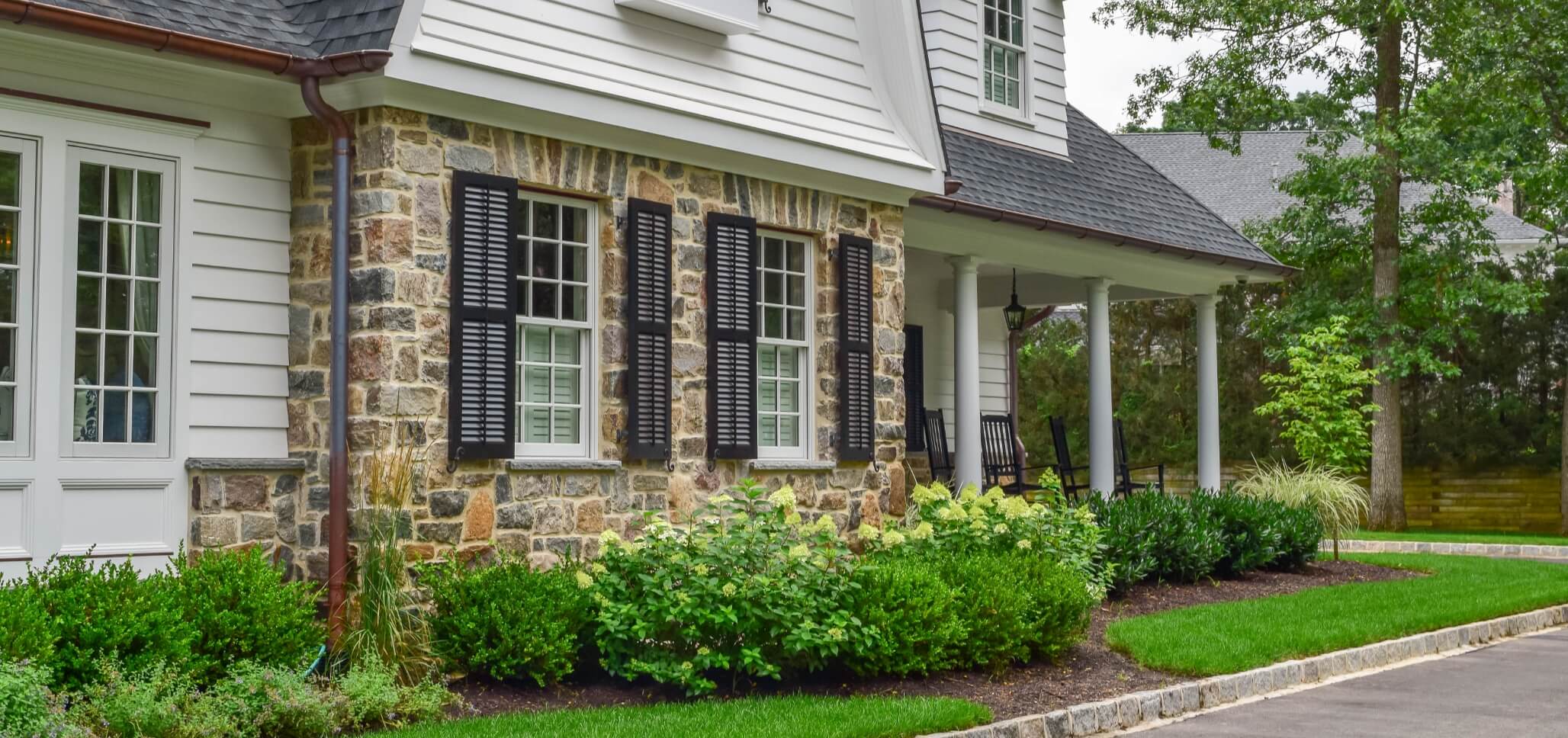
If you want your outdoor kitchen to feel like a permanent extension of your home, natural stone veneer is a beautiful option.
Natural stone offers authentic texture, unique color variation, and an appearance that works with a variety of architectural styles.
For example, a rustic outdoor kitchen might feature irregular natural stone in warm shades of tan, brown, and gray.
A contemporary kitchen could incorporate linear stone veneer in a more consistent color palette.
Because natural stone comes in a variety of profiles and finishes, it can complement everything from traditional homes to modern outdoor living spaces.
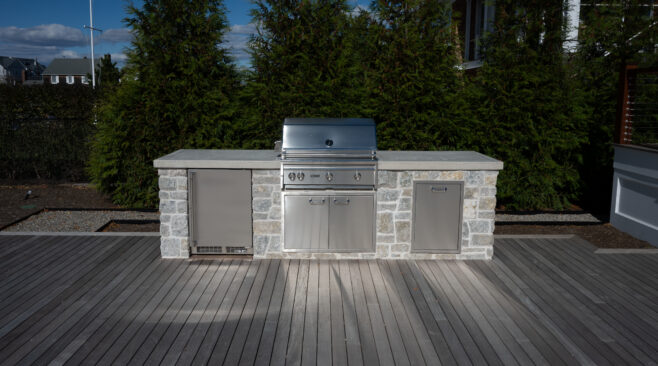
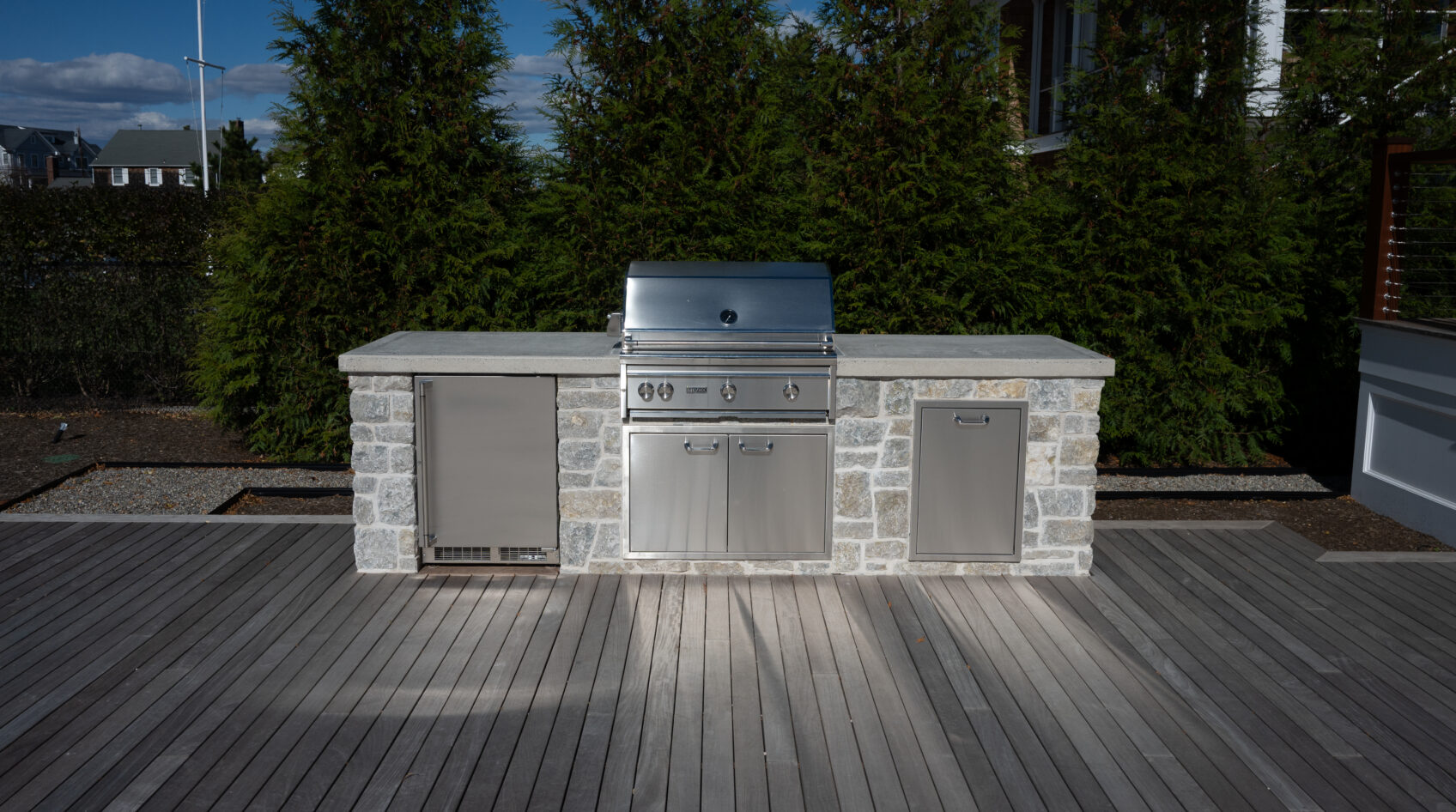
Natural stone veneer is often used to finish the exterior of outdoor kitchen islands, grill surrounds, and other masonry structures.
However, it’s important to choose stone products suitable for the intended exterior application.
Different stone types have different absorption rates, weathering characteristics, and maintenance requirements.
The installation system is equally important.
Proper substrate preparation, moisture management, drainage, and compatible setting materials all contribute to how the veneer performs over time.
Decorative stone veneer also shouldn’t be confused with the high-temperature components required around cooking appliances.
Grill enclosures and other structures must be built according to the appliance manufacturer’s clearance and ventilation requirements.
Why homeowners love it: Natural stone veneer adds texture, character, and a timeless appearance that can complement the home’s architecture.
Best for: Traditional, rustic, transitional, and contemporary outdoor kitchens.
2. Manufactured Stone Veneer: Versatile Styles and Colors
If you love the appearance of natural stone but want to explore additional design options, manufactured stone veneer is another material worth considering.
Manufactured stone veneer is designed to replicate the appearance of natural stone and is available in a wide range of colors, textures, and profiles.
You can find products that resemble traditional fieldstone, stacked stone, ledgestone, and other popular stone styles.
For example, an outdoor kitchen finished with a warm-toned manufactured stone veneer can create a cozy, traditional appearance.
A linear profile in charcoal or gray may be better suited to a contemporary patio.
One advantage of manufactured stone veneer is the ability to select from coordinated collections with relatively consistent color blends and profiles.
However, not every manufactured stone product is appropriate for every outdoor application.
For an outdoor kitchen in New Jersey, look for products specifically approved for exterior use in climates that experience freezing and thawing.
Proper installation is essential.
Water management, flashing where required, compatible substrates, and manufacturer-approved setting materials help reduce the risk of moisture-related problems.
It’s also important to remember that manufactured stone veneer is generally a decorative finish, not a structural or fire-resistant enclosure system by itself.
Why homeowners love it: Manufactured stone veneer offers a wide variety of styles, making it easier to coordinate the kitchen with existing patio materials and home exteriors.
Best for: Homeowners looking for flexibility in color, texture, and architectural style.
3. Concrete Pavers: A Beautiful Foundation for Your Outdoor Kitchen
While stone veneer helps define the appearance of your outdoor kitchen, the surrounding patio is just as important.
Concrete pavers are a popular choice for outdoor kitchen patios because they’re available in a wide range of colors, shapes, sizes, and textures.
They can create a cohesive foundation that connects the kitchen to nearby dining areas, seating spaces, and walkways.
For a modern outdoor kitchen, large-format concrete pavers in neutral shades can create a clean, streamlined appearance.
For a more traditional design, textured pavers with subtle color variation can add warmth and character.
You can also use contrasting paver borders or different laying patterns to define the outdoor kitchen area.
When properly selected and installed, concrete pavers can perform well in climates that experience seasonal temperature changes.
However, their performance depends on more than the pavers themselves.
Proper base preparation, compaction, drainage, and installation are essential, especially in Northern New Jersey, where freeze-thaw cycles can affect outdoor surfaces.
It’s also important to consider the weight of the outdoor kitchen structure.
A heavy masonry kitchen may require a dedicated foundation or engineered support rather than relying on a standard patio base.
Why homeowners love them: Concrete pavers offer design flexibility and can visually connect the outdoor kitchen to the rest of the backyard.
Best for: Outdoor kitchen patios, dining areas, walkways, and surrounding hardscape spaces.
4. Natural Stone Countertops: Functional Surfaces with Distinctive Style
Countertops are one of the most frequently used surfaces in an outdoor kitchen.
They provide space for preparing food, serving meals, and gathering with guests, so choosing the right material is important.
Certain natural stone products can be suitable for outdoor countertops, offering distinctive colors and textures that complement stone veneer and patio pavers.
Granite is one option homeowners may consider because many granite varieties can perform well in exterior applications when appropriately selected and installed.
Other natural stones may also be suitable, but their performance varies depending on the specific material.
For example, some stones are more porous or sensitive to staining, moisture, or weathering than others.
Not every countertop product marketed for indoor use is appropriate for an outdoor kitchen.
Before making a selection, review the supplier’s recommendations for exterior exposure, including resistance to sunlight, moisture, temperature changes, and freeze-thaw conditions.
Maintenance requirements should also influence your decision.
Some natural stone countertops may benefit from periodic sealing, while others have different care recommendations.
The countertop’s finish and edge profile can also affect its appearance.
A smooth, simple edge may complement a modern outdoor kitchen, while a more textured finish can work beautifully with rustic stone veneer.
Why homeowners love them: Natural stone countertops provide unique color variation and can create a sophisticated finishing touch.
Best for: Food preparation surfaces, serving counters, and outdoor kitchen islands when the selected stone is approved for exterior use.
5. Stainless Steel: A Practical Choice for Appliances and Storage
While stone and pavers contribute to the architectural appearance of an outdoor kitchen, stainless steel is often an important part of its functionality.
Stainless steel is commonly used for outdoor grills, cabinet doors, drawers, sinks, and other kitchen components.
Its sleek appearance works particularly well with contemporary designs, but it can also complement traditional stone veneer.
For example, stainless steel appliances can create an attractive contrast against warm natural stone or textured manufactured veneer.
One reason stainless steel is widely used outdoors is its corrosion resistance.
However, not all stainless steel products perform the same way.
Different grades offer different levels of corrosion resistance, and exposure to moisture, salt, and other environmental conditions can affect long-term performance.
For homeowners in Northern New Jersey, selecting appliances and cabinetry specifically designed for exterior use is important.
Stainless steel also requires routine cleaning to help maintain its appearance.
Following the manufacturer’s care recommendations can help prevent surface buildup and address discoloration.
Why homeowners love it: Stainless steel offers a clean, versatile appearance and is available in many outdoor-rated appliance and storage products.
Best for: Grills, cabinet doors, storage drawers, sinks, and other functional kitchen components.
Outdoor Kitchen Materials at a Glance
| Material | Common Uses | Design Appeal | Important Considerations |
|---|---|---|---|
| Natural stone veneer | Kitchen island and enclosure finishes | Authentic texture and natural variation | Exterior suitability, moisture management |
| Manufactured stone veneer | Decorative kitchen finishes | Wide range of colors and profiles | Exterior rating, installation system |
| Concrete pavers | Patios and walkways | Versatile patterns, colors, and textures | Base preparation, drainage, load support |
| Natural stone countertops | Preparation and serving surfaces | Distinctive appearance | Weather resistance, staining, maintenance |
| Stainless steel | Appliances and cabinetry | Sleek, functional appearance | Steel grade, corrosion resistance, cleaning |
How to Choose the Best Materials for Your Outdoor Kitchen
With so many options available, selecting materials can feel overwhelming.
A good place to start is by looking at your home’s architecture and existing outdoor features.
If your home has a traditional exterior with natural stone accents, you might choose a complementary stone veneer for your outdoor kitchen.
For a contemporary home, linear veneer profiles, neutral patio pavers, and stainless steel appliances can create a more streamlined appearance.
Next, consider how the materials will work together.
You don’t need to match every surface exactly, but choosing complementary colors and textures can help the kitchen feel like part of the overall backyard design.
For example, a light gray paver patio can create an attractive contrast against a darker stone veneer kitchen island.
You should also think about maintenance.
Some materials require periodic sealing, while others may need specialized cleaning or seasonal care.
Finally, consider the installation requirements.
An outdoor kitchen must be designed to support the selected appliances, countertops, and structural materials.
Proper foundations, drainage, ventilation, and utility connections are just as important as the decorative finishes.
Working with experienced contractors and knowledgeable material suppliers can help you compare products and make informed decisions.
Designing an Outdoor Kitchen for New Jersey Weather
Outdoor kitchens in Northern New Jersey face a unique combination of weather conditions.
Hot summers, heavy rainfall, freezing winter temperatures, and repeated freeze-thaw cycles can all influence material performance.
That’s why exterior suitability should be one of the first things you evaluate.
Stone veneer systems should be selected and installed with proper moisture management in mind.
Concrete paver patios require appropriate base preparation and drainage to help manage water and seasonal ground movement.
Countertops should be suitable for exposure to sunlight, moisture, and changing temperatures.
Appliances and storage components should also be designed for outdoor conditions.
If your kitchen includes plumbing, seasonal winterization may be necessary to protect pipes and fixtures from freezing.
While no outdoor material is completely maintenance-free, thoughtful product selection and proper installation can help reduce avoidable problems over time.
Create an Outdoor Kitchen That’s Built for Your Backyard
A beautiful outdoor kitchen starts with materials that work together.
Natural stone veneer can add character, manufactured stone veneer offers versatile design options, concrete pavers create a cohesive patio, and carefully selected countertops and stainless steel components support everyday functionality.
The right combination depends on your home’s style, your budget, and how you plan to use the space.
At Braen Supply, we offer a variety of natural and manufactured stone veneer, patio pavers, and other hardscape materials to help homeowners create beautiful outdoor living spaces.
Our team can help you explore colors, textures, and material options that complement your outdoor kitchen design and project requirements.
Frequently Asked Questions About Outdoor Kitchen Materials
1. What is the most durable material for an outdoor kitchen?
There isn’t one material that’s best for every part of an outdoor kitchen. Exterior-rated natural or manufactured stone veneer can be suitable for decorative finishes, concrete pavers are commonly used for patios, and appropriately selected natural stone can work for countertops. Proper installation and maintenance are just as important as material selection.
2. Is natural stone or manufactured stone veneer better for an outdoor kitchen?
Both can be good choices when the products and installation systems are appropriate for exterior use. Natural stone veneer offers authentic texture and color variation, while manufactured stone veneer provides a wide selection of coordinated profiles and colors. The best option depends on your design preferences, budget, and installation requirements.
3. Can outdoor kitchens withstand New Jersey winters?
Yes, outdoor kitchens can be designed for New Jersey’s seasonal weather conditions. Selecting exterior-rated materials, providing appropriate drainage, and following proper installation methods are essential. Appliances and plumbing may also require seasonal maintenance or winterization.
4. Are concrete pavers a good choice for outdoor kitchen patios?
Concrete pavers can be an excellent option for outdoor kitchen patios when the selected products are appropriate for the application and installed over a properly prepared base. They offer a variety of colors, textures, and patterns that can complement stone veneer and other kitchen materials. Heavy outdoor kitchen structures may require separate foundations or additional support.
5. What countertop materials are best for an outdoor kitchen?
Certain granite varieties and other natural stones may be suitable for outdoor countertops, depending on their properties and installation requirements. The best choice should account for sunlight, moisture, temperature changes, staining, and maintenance preferences. Always confirm that the specific countertop product is recommended for exterior use.