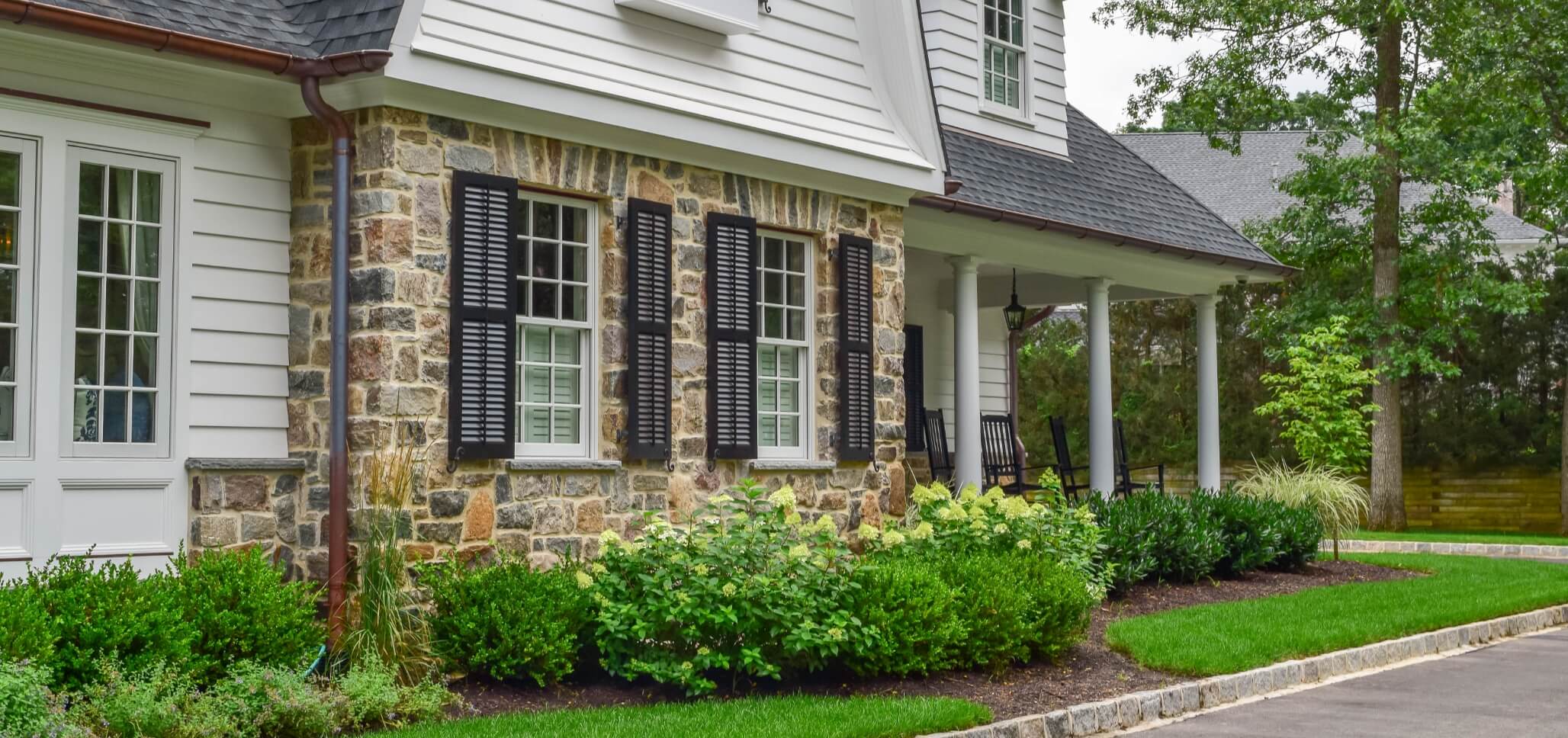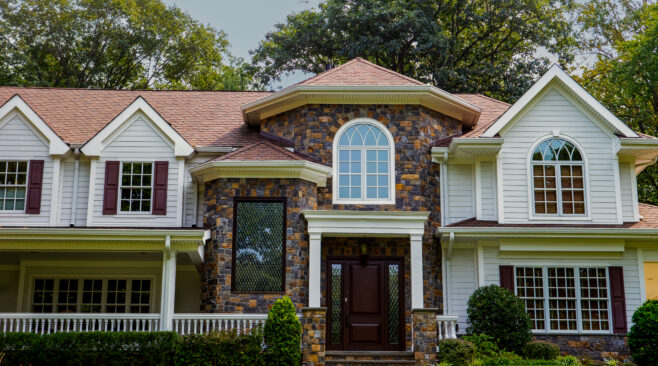

You don’t need a million-dollar home to create a million-dollar first impression.
Sometimes, the difference between an ordinary exterior and one that looks professionally designed comes down to the materials you choose and how you use them.
Stone veneer is one of those materials that can make a noticeable difference. Whether it’s surrounding your front entryway, adding texture to an otherwise plain exterior, or creating contrast against your siding, stone can give your home a more polished, upscale appearance.
And here’s the best part: You don’t have to cover your entire house in stone to achieve that look.
With the right colors, textures, and placement, even a relatively small amount of stone veneer can make your home’s exterior feel more thoughtfully designed.
If you’re looking to improve your curb appeal without completely changing your home’s architecture, here are seven ways stone veneer can help make your home look more expensive.
1. Create a Grand Entrance with Stone Veneer
Your front entrance is one of the first things people notice about your home. It’s also one of the best places to introduce stone veneer if you want to make a strong impression.
Adding stone around your front door can give an otherwise simple entryway more depth, texture, and architectural interest.
For example, if your home has traditional siding, incorporating natural stone veneer around the entrance can create a beautiful focal point without overwhelming the rest of the exterior.
You could also use stone to highlight porch columns, frame a recessed entryway, or create an accent wall surrounding the front door.
For a traditional home, consider warm-toned stone with subtle color variations. If your home has a more contemporary design, a linear stone veneer in gray or charcoal may provide a cleaner, more modern appearance.
The key is making the entrance feel intentional.
When the materials, colors, and architectural details work together, your front door becomes more than just a way into your home. It becomes a design feature that helps establish the character of the entire property.
2. Mix Stone Veneer with Siding for a Custom Look
One of the easiest ways to make your home look more upscale is to combine different exterior materials.
Homes that incorporate a thoughtful mix of stone, siding, brick, or wood often have more visual depth than exteriors that rely on one material alone.
Stone veneer works particularly well as a complementary material because it introduces texture without requiring a complete exterior renovation.
For example, a white farmhouse-style home can look beautiful with warm gray or beige stone accents along the lower portion of the exterior.
A modern home with dark siding might benefit from a lighter stone veneer that creates contrast and keeps the design from feeling too heavy.
Traditional homes can also incorporate stone around entryways, garage doors, or architectural features to create a more customized appearance.
When combining materials, try to keep the overall color palette consistent.
You don’t need every surface to match perfectly, but the undertones should complement one another.
A good approach is to choose one dominant exterior material and use stone veneer as an accent.
This helps create a balanced appearance rather than making the exterior feel overly busy.
3. Use Stone Veneer to Add Architectural Character
Not every home has elaborate architectural details, but that doesn’t mean it can’t have a distinctive exterior.
Stone veneer can help introduce visual interest to areas that might otherwise feel flat or unfinished.
Think about the exterior features your home already has.
Do you have porch columns, a covered entryway, a chimney, or a section of wall that extends slightly beyond the rest of the house?
These areas can be natural opportunities to incorporate stone.
For example, wrapping porch columns in stone veneer can give them a more substantial appearance.
Adding stone to a chimney can create a strong vertical focal point, while a stone accent wall can help break up a large section of siding.
Even a small stone detail beneath a front window or around a garage entrance can create a more finished look when it complements the architecture.
However, placement matters.
Stone veneer tends to look most natural when it’s used to emphasize existing architectural features rather than applied randomly across the exterior.
Before deciding where to install it, think about how the stone will connect visually with the rest of the home.
A little planning can make the difference between a design that feels custom and one that looks like an afterthought.
4. Choose Stone Colors That Look Timeless
When it comes to creating an expensive-looking exterior, color can make just as much of a difference as the material itself.
Stone veneer is available in a wide range of colors, from warm creams and soft beiges to deep charcoals and cool grays.
While bold colors can be beautiful, neutral and natural-looking tones often create a more timeless appearance.
For example, light gray stone can complement contemporary homes with black windows and simple architectural lines.
Warm beige or taupe stone may work well with traditional homes featuring cream siding, brown roofing, or natural wood accents.
For a more dramatic appearance, charcoal stone can create contrast against lighter siding.
It’s also worth paying attention to the natural color variation within the stone.
Some stone veneer products feature several complementary tones, which can help tie together different exterior elements such as roofing, trim, and landscaping.
Before making a final decision, compare stone samples with your home’s existing materials.
A stone that looks beautiful in a showroom might appear warmer, cooler, lighter, or darker when viewed in natural sunlight.
The goal isn’t necessarily to choose the most expensive-looking color. It’s to select one that makes your entire exterior feel cohesive.
5. Add Texture Without Overcomplicating the Design
Luxury design isn’t always about adding more features.
In many cases, the most attractive homes are the ones that use a few carefully selected materials exceptionally well.
Stone veneer is a great example because it can introduce texture and visual interest without requiring elaborate decorative details.
A smooth-sided home, for instance, may benefit from the contrast of a lightly textured natural stone veneer.
The variation in the stone’s surface can make the exterior feel more dimensional, especially when sunlight creates subtle shadows throughout the day.
For a contemporary home, a more uniform linear stone profile can provide texture while maintaining a clean, streamlined appearance.
For a rustic or traditional exterior, irregularly shaped stones with natural edges can create a warmer, more organic look.
The trick is balancing texture with the other materials on your home.
If your exterior already features heavily textured brick, detailed trim, or decorative architectural elements, a simpler stone profile may help prevent the design from feeling too busy.
On the other hand, a home with smooth siding and minimal detailing may be able to accommodate a more textured stone.
Choosing the right balance can make your exterior feel professionally designed rather than overly decorated.
6. Coordinate Stone Veneer with Your Landscaping and Hardscaping
A beautiful home exterior doesn’t stop at the walls.
Your driveway, front walkway, garden beds, and landscaping all contribute to the overall appearance of your property.
One way to create a more upscale look is to coordinate your stone veneer with the hardscape materials surrounding your home.
For example, if your home features warm gray stone veneer, you might choose walkway pavers with similar undertones.
If your exterior includes beige or brown natural stone, coordinating those colors with garden walls or decorative stone can help create a consistent design.
You don’t have to use the exact same stone everywhere.
In fact, using complementary materials can often create a more interesting appearance.
The important thing is making sure the colors, textures, and finishes work together.
Landscaping can also help highlight stone features.
Soft greenery, flowering shrubs, and carefully placed landscape lighting can create contrast against the stone and make architectural details more noticeable.
A well-lit stone entryway, for example, can become a beautiful focal point in the evening.
When your exterior materials and landscaping feel connected, the entire property can appear more polished and intentional.
7. Focus on Quality Installation and Finishing Details
Even the most beautiful stone veneer won’t create an upscale appearance if the installation looks rushed or unfinished.
The details matter just as much as the material.
Proper stone placement, consistent joint work, clean transitions, and thoughtfully finished corners can all influence the final appearance.
For example, using compatible corner pieces can help create the appearance of dimensional stonework around entryways and architectural features.
Similarly, carefully planned transitions between stone and siding can make the materials feel like they were designed to work together.
It’s also important to consider how the stone will be installed.
Natural and manufactured stone veneer systems have specific requirements for substrates, moisture management, flashing, and attachment.
These details may not be immediately visible once the project is complete, but they’re essential for long-term performance.
Working with a qualified installer who understands the selected veneer system can help protect your investment and achieve the finished appearance you’re looking for.
Remember, an expensive-looking exterior isn’t just about purchasing premium materials.
It’s about choosing the right materials and installing them with attention to detail.
Do You Need to Cover Your Entire Home in Stone Veneer?
Not at all.
In fact, using stone veneer selectively can sometimes create a more attractive exterior than covering every available surface.
If you’re working with a limited budget, consider starting with the areas that have the greatest visual impact.
Your front entrance, porch columns, chimney, or lower exterior walls may be good places to begin.
These areas naturally draw attention and can help establish a cohesive design without requiring a full exterior renovation.
You can also combine stone veneer with existing siding to introduce contrast while keeping the project manageable.
Before making a decision, consider your home’s architectural style, the amount of stone needed, and how the finished design will look from the street.
Sometimes, a smaller stone accent is all it takes to give your exterior a more custom appearance.
Is Stone Veneer Worth the Investment?
If your goal is to improve your home’s curb appeal, stone veneer can be a worthwhile material to consider.
It offers a range of colors, textures, and profiles that can complement different architectural styles, making it possible to create anything from a traditional stone entryway to a sleek contemporary facade.
However, it’s important to separate visual appeal from financial return.
Adding stone veneer may contribute to your home’s attractiveness and perceived value, but it doesn’t guarantee an increase in resale price.
The return on investment depends on factors such as material selection, project cost, installation quality, and local real estate conditions.
For homeowners who plan to stay in their homes, the enjoyment of a more beautiful exterior may be just as valuable as any potential resale benefit.
The best approach is to choose a design that complements your home, fits your budget, and reflects your personal style.
Give Your Home a More Luxurious Look with Stone Veneer
Creating an expensive-looking home exterior doesn’t always require a complete renovation.
Sometimes, a few carefully chosen upgrades can make a noticeable difference.
Stone veneer can add texture, architectural character, and visual interest to your home’s exterior while complementing materials such as siding, brick, and wood.
Whether you’re updating your front entrance, adding stone accents, or planning a larger facade renovation, thoughtful design and quality installation are key to achieving a polished appearance.
At Braen Supply, we offer a variety of natural and manufactured stone veneer products in colors, textures, and styles suited to different home exteriors.
Our team can help you explore your options, compare materials, and find stone veneer that complements your home’s architecture and design goals.
Frequently Asked Questions About Stone Veneer and Curb Appeal
1. Does stone veneer make a house look more expensive?
Stone veneer can create a more upscale appearance by adding texture, contrast, and architectural detail to a home’s exterior. When the stone complements the siding, roofing, trim, and landscaping, it can make the property feel more cohesive and thoughtfully designed. However, the final result depends on the material selection, placement, and quality of installation.
2. Where should I add stone veneer to improve curb appeal?
Popular locations include front entryways, porch columns, chimneys, garage surrounds, and lower exterior walls. These areas often provide opportunities to introduce stone without covering the entire home. The best placement depends on your home’s architecture and which features you want to highlight.
3. What color stone veneer looks the most luxurious?
Neutral colors such as warm beige, taupe, light gray, and charcoal are often associated with timeless exterior designs. However, the most attractive color is one that complements your home’s existing materials. A stone that coordinates with your siding, roof, trim, and landscaping will generally create a more polished appearance than one chosen solely for its color.
4. Is natural stone veneer better than manufactured stone veneer?
Both natural and manufactured stone veneer can create beautiful exterior designs. Natural stone offers authentic textures and color variations, while manufactured stone veneer provides a wide range of consistent styles and finishes. The best choice depends on your budget, design preferences, installation requirements, and the specific products you’re considering.
5. Can I add stone veneer to just the front of my house?
Yes. Many homeowners choose to install stone veneer on the front facade or specific architectural features rather than covering the entire exterior. This approach can create a noticeable visual improvement while limiting the scope of the renovation. A qualified installer can help determine the appropriate materials and installation requirements for your home.