Decorative gravel is one of the simplest ways to add color, texture, and contrast to a landscape.
It can be used to refresh planting beds, create garden paths, surround stepping stones, define fire pit areas, complement patios, or replace traditional mulch in certain areas. With a wide range of stone colors, sizes, shapes, and textures available, decorative gravel can work within everything from naturalistic landscapes to clean, contemporary designs.
While installing decorative gravel may seem straightforward, proper preparation can make a significant difference in how the finished space looks and performs over time.
From selecting the right stone to preparing the area, installing edging, and controlling weeds, here is what to know before installing decorative gravel—and how to maintain it once the project is complete.
Choose the Right Decorative Gravel
Start by considering where the gravel will be installed and what you want it to accomplish.
A stone that works beautifully within a planting bed may not be the best choice for a frequently used walkway or gathering area.
Consider characteristics such as:
- Stone size
- Shape
- Color
- Texture
- Intended application
- Amount of foot traffic
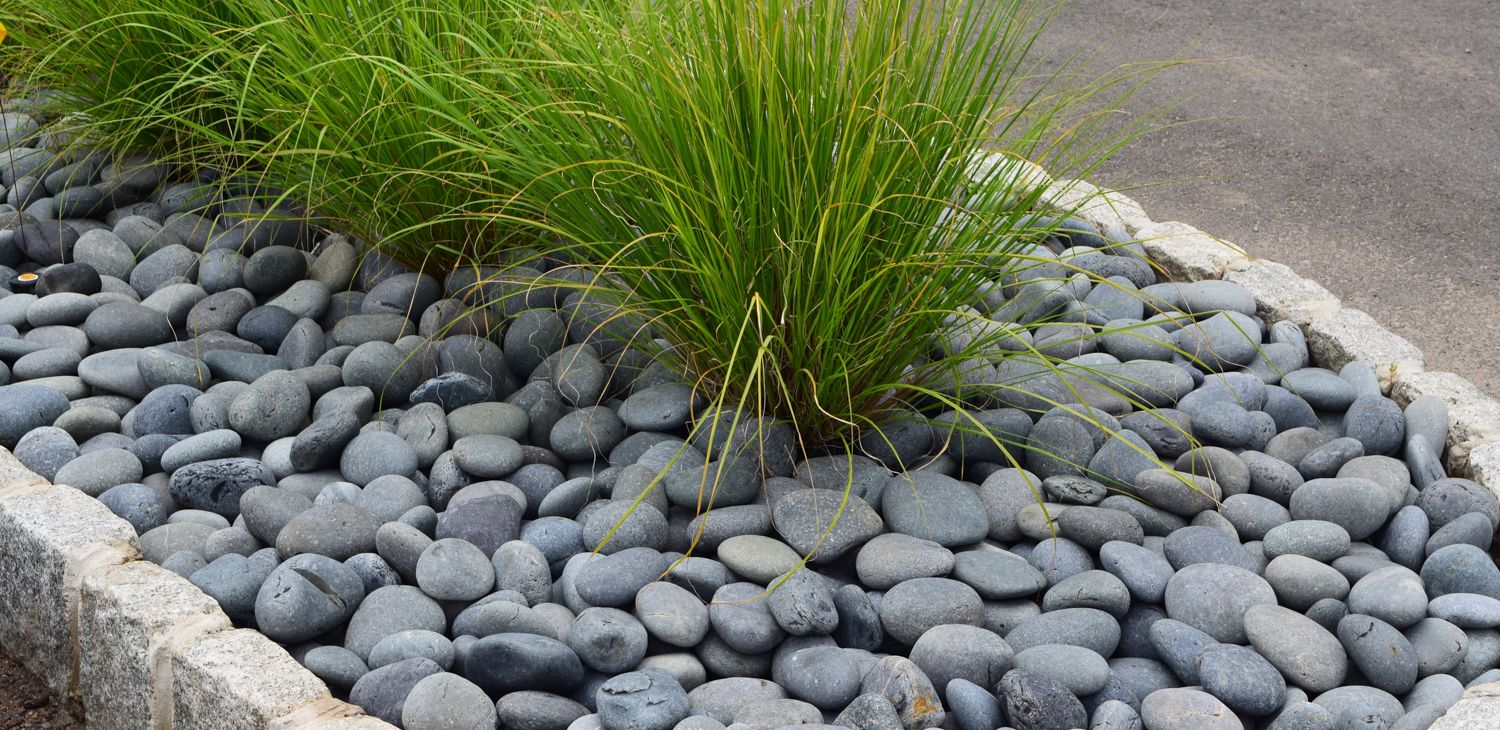
Rounded gravel can create a softer, more natural appearance, while angular stone may provide a different look and feel underfoot. Larger stone can create a bold landscape accent, while smaller gravel may provide a more uniform appearance across larger areas.
Selecting decorative gravel should be about more than choosing your favorite color. The stone should make sense for how the space will actually be used.
See the Gravel in Person
Natural stone can be difficult to evaluate accurately from a photograph.
Computer screens, lighting, photography, and whether the stone is wet or dry can all affect how its color appears.
Whenever possible, look at decorative gravel in person before ordering.
Pay attention not only to color but also to the actual size, shape, and variation within the material. Because decorative gravel is a natural product, individual stones and different shipments can have variations in color and appearance.
Seeing a larger quantity of material can give you a better idea of how it will look across an entire landscape bed or walkway.
Coordinate the Gravel With Your Other Materials
Decorative gravel rarely exists by itself within a landscape.
It may sit beside pavers, natural stone, retaining walls, siding, stone veneer, plants, or other materials.
Think about how these elements will work together.
A gravel with warm tan and brown tones might complement warm-colored pavers and natural stone, while gray or charcoal stone can create contrast within a more contemporary landscape.
The materials do not need to match. In fact, contrast can make decorative gravel much more effective.
The goal is to create a relationship between the colors and textures so the finished landscape feels intentional.
Measure the Area Carefully
Before ordering, determine the square footage of the area you plan to cover.
You will also need to determine the appropriate depth for the material and application. The amount of gravel needed is based on both the area being covered and the depth at which it will be installed.
Different stone sizes and applications may call for different installation depths.
Your material supplier or landscape professional can help you determine the appropriate quantity based on your measurements, selected gravel, and intended use.
Ordering the correct amount from the beginning can also help create a more consistent appearance across the project.
Remove Existing Grass, Weeds and Debris
Proper preparation begins with a clean installation area.
Remove existing grass, weeds, roots, leaves, rocks, and other unwanted material before installing decorative gravel.
Simply spreading gravel over an existing lawn or weed-filled landscape bed is unlikely to create a clean, long-lasting result.
The area may also need to be excavated depending on the desired gravel depth and finished elevation.
Taking the time to properly prepare the site can reduce maintenance and create a much cleaner finished installation.
Establish the Finished Grade
Think about where the top of the gravel should sit in relation to surrounding surfaces.
Decorative stone that is installed too high can easily spill onto sidewalks, patios, lawns, and other surfaces. Installing it too low can create a depression that collects leaves, soil, and water.
This becomes particularly important around stepping stones and walkways.
The finished surface should create a comfortable transition while still allowing the gravel to remain contained within its designated area.
Consider a Landscape Fabric or Separation Layer
Depending on the application, an appropriate landscape fabric or separation layer may be useful beneath decorative gravel.
A properly selected product can help separate the stone from the soil underneath and may assist with certain maintenance concerns.
However, landscape fabric does not mean the area will remain completely weed-free.
Over time, leaves, soil, pollen, and other organic material can accumulate between the stones. Weed seeds can then germinate in that material from above.
Landscape fabric is also not appropriate for every installation, so consider the site conditions and intended application before using it.
Install Defined Edging
Good edging is one of the most important components of a decorative gravel installation.
Because the material is loose, it will naturally move with foot traffic, weather, pets, landscape maintenance, and everyday use.
A defined edge helps keep the gravel contained and creates a cleaner transition into surrounding areas.
Depending on the landscape, decorative gravel might be bordered by:
- Pavers
- Natural stone
- Metal edging
- Landscape edging
- Concrete curbing
- Retaining walls
- Walkways
Edging is both functional and aesthetic. A well-defined border can make even a simple gravel area look more finished.
Think About Drainage
Decorative gravel is frequently associated with drainage, but stone alone does not automatically correct a water problem.
Before installation, pay attention to how water moves through the area during and after rain.
If the location regularly experiences standing water, erosion, or significant runoff, the underlying drainage concern should be evaluated.
Decorative gravel can be incorporated into certain drainage solutions, but those systems need to be properly planned and installed.
This is particularly important near foundations, retaining walls, downspouts, patios, and other areas where water management matters.
Plan Around Plants
When decorative gravel is used within landscape beds, consider the plants that will share the space.
Make sure trees, shrubs, and perennials have appropriate growing conditions and avoid piling stone directly against trunks and stems.
You should also consider how future planting will work.
If you regularly add annuals or change plants throughout the year, a heavily graveled bed may require more effort to modify than a traditional mulched area.
Planning planting locations before installing the gravel can make future maintenance easier.
Once the installation is complete, decorative gravel is relatively simple to maintain.
Remove Leaves and Debris Regularly
Leaves, twigs, grass clippings, flowers, and other organic material can quickly collect between decorative stones.
A leaf blower can make cleanup easier, particularly across larger areas. Use a controlled setting so smaller gravel is not blown out of place.
Removing debris regularly does more than keep the area looking clean.
Organic material can break down between the stones and eventually create a layer where weeds can grow.
Staying ahead of debris is one of the simplest ways to reduce long-term maintenance.
Stay Ahead of Weeds
Even with proper site preparation, occasional weeds can appear in decorative gravel.
Remove them while they are small rather than allowing them to establish deeper root systems.
Remember that weeds do not always grow from the soil beneath the gravel. Seeds can land on the surface and germinate within accumulated dirt and organic debris.
Keeping the gravel clean can therefore be just as important as what was installed underneath it.
If using a weed-control product, make sure it is appropriate for nearby plants, pets, drainage conditions, and the intended use of the area, and follow all manufacturer instructions.
Rake Gravel Back Into Place
Decorative gravel naturally shifts over time.
Foot traffic, pets, rain, snow removal, and landscape maintenance can move stones away from their original locations.
Periodically rake the gravel to restore an even distribution.
Pay particular attention to frequently traveled areas, slopes, stepping stones, and edges where material tends to accumulate or become displaced.
A quick raking can often make an older gravel installation look significantly more refreshed.
Maintain Your Edges
Periodically inspect the borders surrounding the gravel.
If edging becomes loose, damaged, or displaced, stone may begin migrating into lawns, patios, or planting beds.
Address these areas early.
Maintaining a clean edge not only keeps the gravel contained but also preserves the crisp, intentional appearance of the landscape.
Top Off the Gravel When Necessary
Decorative gravel does not necessarily need to be replaced when it begins to look thin.
Over time, some stone may settle, migrate, or be lost during maintenance. Adding a fresh layer of matching material can restore the desired depth and appearance.
If possible, keep a record of the stone name, size, and supplier used for the original project.
Because decorative gravel is a natural material, some variation between different loads should be expected. If you are adding new material several years later, blending it throughout the existing gravel may help create a more consistent appearance.
Clean Up Gravel That Migrates
Loose stone will occasionally find its way onto nearby patios, pavers, sidewalks, or lawns.
Sweep or rake displaced gravel back into the appropriate area rather than allowing it to accumulate.
This is particularly important around lawn areas, where loose stones can become a hazard during mowing.
Good edging can reduce migration, but some occasional cleanup should still be expected with any loose landscape material.
Be Careful During Winter Maintenance
If decorative gravel is located near a walkway, driveway, or other area where snow is removed, take extra care during the winter.
Shovels, snow blowers, and plows can displace loose stone, particularly when snow is removed all the way down to the gravel surface.
Snow piles can also carry gravel into surrounding lawn or planting areas as they melt.
Once spring arrives, inspect these areas and rake displaced material back into place.
Give Your Gravel a Spring Refresh
Spring is an ideal time to refresh decorative gravel after winter.
Remove leaves and debris, pull any early weeds, redefine edges, rake the stone evenly, and identify thin areas that may need additional material.
Also check for signs of drainage or erosion problems that may have developed during winter snowmelt and spring rain.
This simple annual cleanup can make a decorative gravel installation look almost new again.
A Simple Way to Add Texture and Character
Decorative gravel can make a significant visual impact without requiring a complicated landscape renovation.
It can provide contrast around greenery, create a natural transition between hardscape and landscape, establish garden paths, complement stepping stones, or simply add another layer of texture to an outdoor space.
The key is thoughtful preparation.
Selecting the right gravel, seeing it in person, preparing the site, establishing the proper depth, incorporating edging, and considering drainage can all contribute to a more successful installation.
Afterward, routine maintenance is relatively straightforward. Keep the area free of debris, stay ahead of weeds, rake displaced stone, maintain the edges, and add fresh material when necessary.
With the right planning and care, decorative gravel can remain an attractive and functional part of your landscape for years to come.
Braen Supply can help homeowners and landscape professionals explore decorative gravel options for planting beds, walkways, garden areas, and other outdoor projects. Visit one of our Northern New Jersey locations to see materials in person, compare colors and sizes, and find a decorative stone that complements your landscape.
Frequently Asked Questions About Decorative Gravel Installation and Maintenance
1. What should I do before installing decorative gravel in my yard?
Before installing decorative gravel, remove existing grass, weeds, roots, and debris from the area. Make sure the ground is properly graded and determine the appropriate installation depth for your project. Depending on the application, you may also want to install landscape fabric or a separation layer to help keep the gravel from mixing with the soil. Adding edging around the area can help prevent stones from spreading into nearby lawns, patios, and planting beds.
2. What is the best type of decorative gravel for landscaping?
The best decorative gravel depends on where you plan to use it and the appearance you want to achieve. Rounded gravel can create a softer, more natural look, while angular stone offers a different texture and feel underfoot. Smaller gravel may work well in certain garden paths and landscape beds, while larger decorative stones can create eye-catching accents around plants and outdoor living areas. Consider the stone’s size, color, shape, and intended use before making your selection.
3. How do I prevent weeds from growing through decorative gravel?
To help prevent weeds, thoroughly remove existing vegetation before installing decorative gravel. Landscape fabric may help in certain applications, but it won’t completely eliminate weed growth. Over time, dirt, leaves, and organic debris can collect between stones, allowing weed seeds to germinate on the surface. Regularly removing debris and pulling weeds while they’re small can help keep your gravel looking clean and well-maintained.
4. How often should decorative gravel be replaced or replenished?
Decorative gravel generally doesn’t need to be replaced regularly, but it may require occasional replenishment. Foot traffic, weather, landscaping activities, and snow removal can cause stones to shift or spread into surrounding areas. Periodically rake the gravel to redistribute it and add matching stone when areas begin to look thin. A spring refresh is a great opportunity to inspect your gravel, clean up debris, and restore its appearance.
5. Is decorative gravel a good alternative to mulch for landscaping?
Decorative gravel can be an attractive alternative to traditional mulch in certain landscape beds. Unlike organic mulch, gravel doesn’t decompose and typically doesn’t require the same routine replacement. It can also provide long-lasting color, texture, and contrast around plants and hardscape features. However, gravel doesn’t provide the same soil-enriching benefits as organic mulch and may retain more heat. Consider your plants’ growing conditions, drainage needs, and maintenance preferences before deciding which material is best for your landscape.