When you’re designing a swimming pool, there’s a good chance you’ve spent plenty of time thinking about the shape, size, and color of the water. But what about the color of the pool pavers surrounding it?
Your pool pavers might not be the first thing that comes to mind, but they can have a huge impact on how your entire backyard looks and feels.
Light-colored pavers can create a bright, airy, resort-inspired atmosphere, while darker pavers can bring a bold, sophisticated touch to your outdoor living space.
And while appearance is certainly important, there’s more to consider than just which color looks best.
The color of your pool pavers can influence how warm the surface feels underfoot, how noticeable dirt and stains are, and how well your patio complements your home’s exterior.
So, should you go with light or dark pool pavers?
Let’s compare the two options to help you choose the right color for your backyard.
Why Does Pool Paver Color Matter?
Your pool patio is one of the largest visual elements in your backyard.
Depending on the size of your pool, the surrounding pavers may cover hundreds of square feet, making their color a major part of the overall design.
The right shade can complement your swimming pool, highlight your landscaping, and create a natural connection between your home and outdoor living areas.
But color also affects how the space feels.
Light pavers tend to reflect more sunlight, often creating a brighter appearance.
Dark pavers generally absorb more solar energy, which can contribute to higher surface temperatures in direct sunlight.
Color can also influence how noticeable certain types of dirt, stains, and everyday wear appear.
That’s why it’s worth thinking about both appearance and functionality before making your final decision.
Light Pool Pavers: Bright, Airy, and Timeless
Light-colored pool pavers are a popular choice for homeowners who want their backyard to feel open, welcoming, and relaxed.
Common shades include ivory, cream, beige, sand, light gray, and soft white.
These colors can create a beautiful contrast against blue pool water while complementing surrounding landscaping.
For example, a pool patio featuring light beige porcelain pavers can create a warm, resort-inspired atmosphere.
Light gray concrete pavers, on the other hand, can give your backyard a clean, contemporary appearance.
Natural stone products in soft neutral tones can also bring warmth and character to a traditional pool design.
One of the biggest advantages of light pool pavers is their ability to make an outdoor space feel visually larger.
Because lighter shades reflect more light, they can create an open, airy appearance that’s especially appealing in smaller backyards.
Benefits of Light Pool Pavers
A bright, spacious appearance. Light pavers can help make your pool area feel more open and inviting.
A timeless design. Neutral shades like cream, beige, and light gray can complement many architectural styles.
Potentially cooler surfaces. Light-colored pavers generally absorb less solar energy than darker alternatives, although actual surface temperatures depend on the material and conditions.
Versatile color combinations. Light pavers pair beautifully with natural stone, dark accents, landscaping, and a variety of pool finishes.
Potential Drawbacks of Light Pool Pavers
Lighter surfaces may make certain stains, dirt, leaves, and other debris more noticeable.
For example, muddy footprints or dark organic stains may stand out against a pale patio.
Some very light finishes can also create noticeable glare in direct sunlight.
However, these effects vary depending on the specific material, texture, and color.
Dark Pool Pavers: Bold, Modern, and Sophisticated
If you’re looking to create a dramatic outdoor living space, dark pool pavers may be the perfect fit.
Popular shades include charcoal, slate gray, dark brown, and deep earth tones.
These colors can create a striking contrast against pool water, surrounding greenery, and lighter architectural finishes.
For example, large-format charcoal pavers can give a contemporary pool patio a sleek, sophisticated appearance.
Darker natural stone can also add depth and character to traditional or rustic backyard designs.
Dark pavers are especially appealing when paired with modern outdoor furniture, clean lines, and thoughtfully placed lighting.
However, one of the most important considerations is surface temperature.
Dark-colored paving materials generally absorb more solar energy than lighter alternatives.
This can make them uncomfortable for barefoot walking during hot, sunny weather.
The actual temperature depends on the material, finish, exposure, and surrounding conditions.
Benefits of Dark Pool Pavers
A bold, contemporary appearance. Dark pavers can create a sophisticated, high-contrast pool design.
Beautiful contrast. Dark shades can complement blue pool water, light-colored coping, and green landscaping.
Visual depth. Darker tones can make certain outdoor features stand out and add dimension to the overall design.
Versatile styling. Charcoal and other deep neutrals can work with modern, transitional, and some traditional home styles.
Potential Drawbacks of Dark Pool Pavers
The biggest consideration is heat.
Darker pavers may become significantly warmer in direct sunlight, making barefoot comfort an important factor.
Dark surfaces may also show light-colored dust, pollen, mineral deposits, or certain water marks more noticeably.
In smaller or heavily shaded backyards, large areas of dark paving can sometimes make the space feel visually enclosed.
Light vs. Dark Pool Pavers: What’s the Difference?
Both light and dark pavers can create beautiful pool patios, but they offer different advantages.
| Feature | Light Pool Pavers | Dark Pool Pavers |
|---|---|---|
| Appearance | Bright, airy, relaxed | Bold, dramatic, sophisticated |
| Popular styles | Resort-inspired, traditional, modern | Contemporary, modern, transitional |
| Surface temperature | Generally absorbs less solar energy | Generally absorbs more solar energy |
| Small backyard appeal | Can create a more open appearance | Can create dramatic contrast |
| Visible dirt | Dark stains may stand out | Light dust and mineral marks may stand out |
| Pool water contrast | Soft, bright framing | Strong, defined framing |
| Design flexibility | Works with many color palettes | Pairs well with contrasting accents |
Neither option is automatically better. The right choice depends on your design preferences, climate, and how you plan to use your pool patio.
Which Pool Paver Color Stays Cooler in the Sun?
For many homeowners, this is one of the most important questions.
After all, nobody wants to step out of the pool onto a patio that’s uncomfortable to walk on.
In general, lighter-colored paving materials reflect more sunlight and absorb less solar energy than darker surfaces.
That means light pavers may remain cooler than dark pavers under similar conditions.
However, color isn’t the only factor that influences surface temperature.
The material itself, surface texture, sunlight exposure, wind, and surrounding environment can all make a difference.
For example, a light-colored porcelain paver and a light-colored natural stone paver may not reach the same surface temperature, even if they look similar.
Similarly, some darker products may perform differently depending on their composition and finish.
Our recommendation: If your pool patio receives direct sunlight for much of the day, consider lighter shades and compare product-specific heat-performance information when available.
It’s also helpful to view samples outdoors before making your final decision.
Which Pool Paver Color Is Easier to Keep Clean?
You might assume dark pavers are easier to maintain because they hide dirt.
However, that’s not always the case.
Light-colored pavers may make muddy footprints, dark stains, and organic debris more noticeable.
Dark pavers, on the other hand, may show pollen, light-colored dust, mineral deposits, and water marks.
The surface finish can also influence how visible dirt appears.
For example, a paver with subtle color variation may disguise everyday debris better than a completely uniform surface.
The material itself matters, too.
Certain outdoor-rated porcelain pavers have low water absorption and may be relatively easy to clean.
Concrete pavers and natural stone may have different maintenance requirements depending on the product and finish.
Rather than choosing a color based only on maintenance, consider the specific material, surface texture, and manufacturer’s cleaning recommendations.
Should Your Pool Pavers Match Your Pool Coping?
Your pool pavers and coping don’t need to match exactly, but they should complement each other.
Some homeowners prefer a seamless appearance.
For example, light beige patio pavers paired with coping in a similar shade can create a soft, continuous look.
Others prefer contrast.
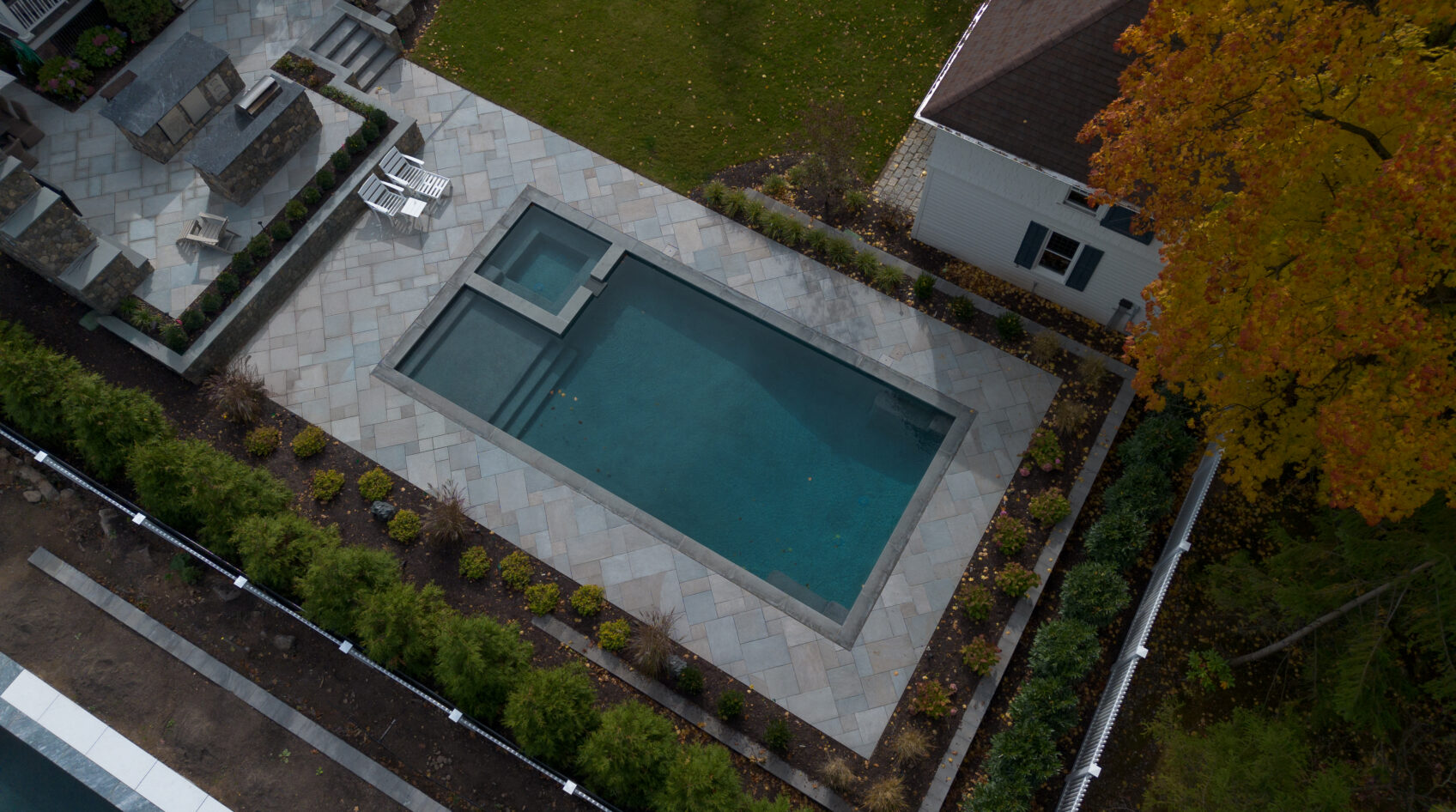
A light pool patio with darker coping can create a defined border around the water.
Likewise, dark gray pavers paired with lighter coping can create a striking contemporary appearance.
You can also mix materials.
For example, natural stone coping may complement concrete or porcelain pavers when the colors and finishes work well together.
The key is choosing materials that feel intentional rather than introducing too many competing colors.
Remember that coping should also be selected for the pool structure’s requirements, barefoot comfort, and wet slip resistance.
How to Choose the Right Pool Paver Color for Your Home
Still unsure whether light or dark pavers are right for your backyard? Here are a few things to consider.
1. Look at Your Home’s Exterior
Your pool patio should complement the overall appearance of your home.
If your house features warm beige siding, brick, or natural stone accents, pavers in cream, tan, or warm gray may create a cohesive look.
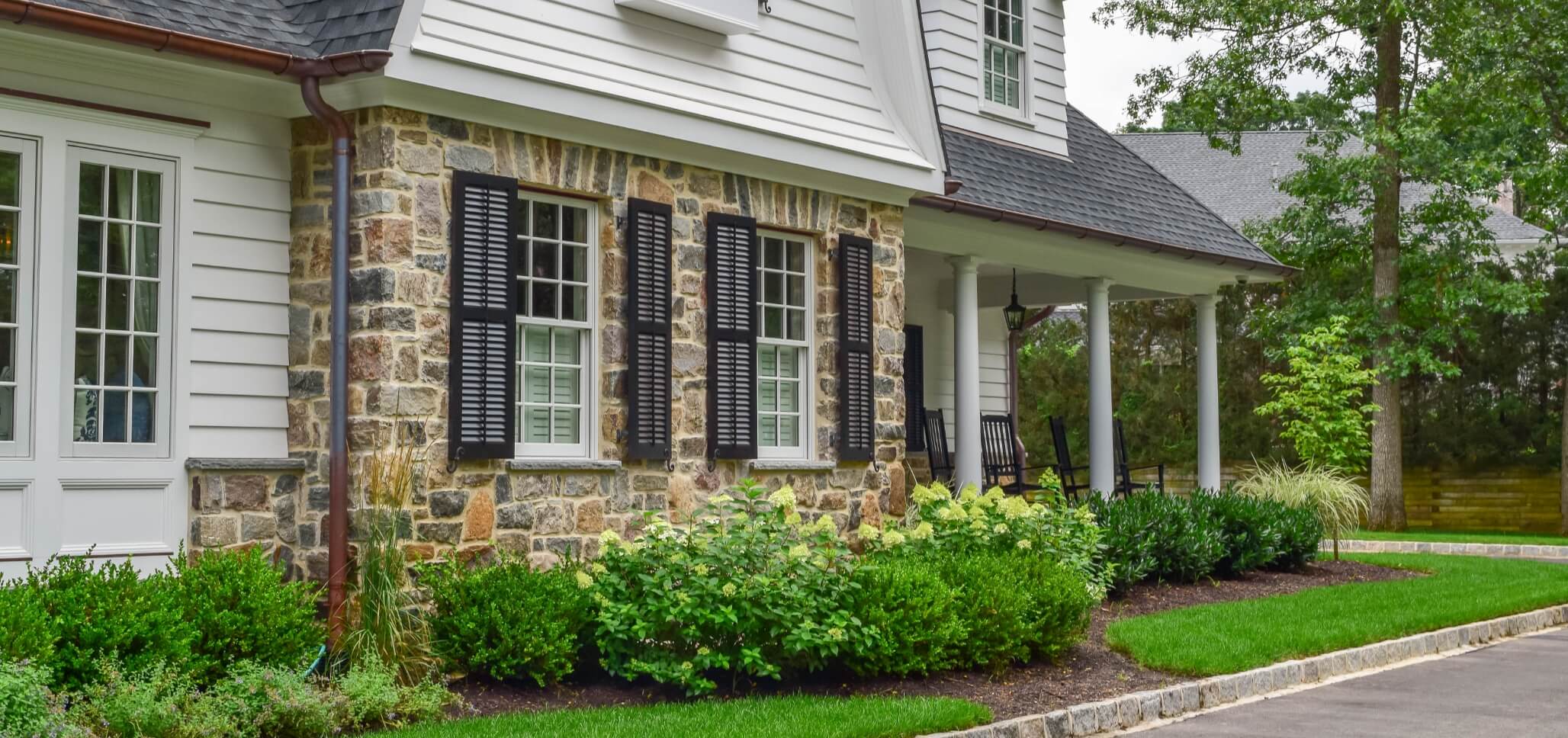
For homes with white siding and dark trim, either light or dark pavers could work beautifully.
The goal is to create a natural connection between your home and outdoor living space.
2. Consider the Size of Your Backyard
Light-colored pavers can help smaller pool areas feel more open.
Dark pavers can create a dramatic appearance, particularly in larger outdoor spaces.
However, you don’t need to avoid dark colors in a small backyard.
Using darker shades as borders or accents can introduce contrast without overwhelming the design.
3. Think About Sun Exposure
If your pool patio receives full sun throughout the day, surface temperature should be a priority.
Lighter shades may be more comfortable in these conditions, depending on the material.
If your pool area receives significant shade, you may have more flexibility when considering darker colors.
4. Coordinate with Landscaping and Outdoor Features
Think about how your pavers will look alongside surrounding landscaping, outdoor kitchens, seating walls, and other backyard features.
Light pavers can create a beautiful contrast against lush green landscaping.
Dark pavers may complement contemporary stone veneer, metal furniture, and modern outdoor lighting.
Repeating complementary colors throughout your backyard can help create a cohesive appearance.
5. View Samples in Natural Light
A paver can look very different in a showroom than it does outdoors.
Sunlight, shadows, and surrounding colors can all affect how the material appears.
If possible, compare samples in natural daylight and consider how they’ll look next to your pool coping and home’s exterior.
It’s also worth looking at the samples when they’re wet, since moisture can temporarily change the appearance of some materials.
Can You Mix Light and Dark Pavers Around a Pool?
Absolutely!
Combining light and dark pavers can create a beautiful, custom-looking pool patio.
For example, you might use light-colored pavers for the main pool deck and introduce charcoal accents along the perimeter.
Another option is to use contrasting paver colors to define separate outdoor living areas.
A lighter pool patio could transition into a darker outdoor dining or lounge area.
You can also introduce contrast through pool coping, borders, or nearby seating walls.
However, it’s important to avoid making the design too busy.
Choose a primary color and use the secondary shade strategically.
If you’re combining different paver products, make sure they’re compatible with the intended installation and meet the requirements for poolside use.
What Should New Jersey Homeowners Consider?
For homeowners in Northern New Jersey, pool patio materials need to handle more than summer sunshine.
Rain, snow, freezing temperatures, and seasonal changes can all affect outdoor paving materials.
Both light and dark pavers can be appropriate for pool patios when the specific products are designed for the application.
Proper drainage, base preparation, and installation are essential.
For natural stone, it’s important to evaluate the product’s suitability for freeze-thaw conditions.
For concrete and porcelain pavers, follow the manufacturer’s recommendations for exterior installation and maintenance.
And regardless of color, always prioritize appropriate wet slip resistance and barefoot comfort around swimming pools.
Find Your Perfect Pool Paver Color with Braen Supply
When it comes to light vs. dark pool pavers, there’s no single right answer.
Light pavers can create a bright, airy, resort-inspired atmosphere, while dark pavers offer a bold, sophisticated appearance.
Both can complement a beautiful swimming pool when they’re selected thoughtfully.
The best choice is one that works with your home’s exterior, fits your lifestyle, and meets your expectations for comfort and maintenance.
At Braen Supply, we offer a wide selection of concrete pavers, porcelain pavers, natural stone, and pool coping in a variety of colors, textures, and finishes.
Visit one of our showrooms to explore materials in person and find the right combination for your pool patio.
Frequently Asked Questions About Pool Paver Colors
1. Are light or dark pavers better around a pool?
Both can work well, but lighter-colored pavers may be more comfortable in sunny pool areas because they generally absorb less solar energy. Dark pavers can create a bold, contemporary appearance. The best choice depends on the material, sun exposure, design preferences, and barefoot comfort.
2. Do dark pool pavers get hotter than light pavers?
Generally, yes. Darker surfaces tend to absorb more solar energy than lighter surfaces under similar conditions. However, actual surface temperatures depend on the material, finish, weather, and sunlight exposure.
3. What is the most popular color for pool pavers?
Neutral shades such as beige, cream, tan, and light gray are common choices because they complement many pool designs and home styles. Dark gray and charcoal are also popular options for contemporary outdoor living spaces. The best color ultimately depends on your preferred aesthetic.
4. Should pool coping be lighter or darker than the patio pavers?
Either approach can work. Lighter coping can create contrast against a darker patio, while darker coping can define the edge of a light-colored pool deck. Matching or closely coordinating the colors can also create a seamless appearance.
5. What color pool pavers are easiest to maintain?
No single color is always easiest to maintain. Light pavers may show dark stains more readily, while dark pavers may highlight pollen, mineral deposits, and light-colored dust. Materials with subtle color variation can sometimes help disguise everyday debris. Maintenance also depends on the material and surface finish.