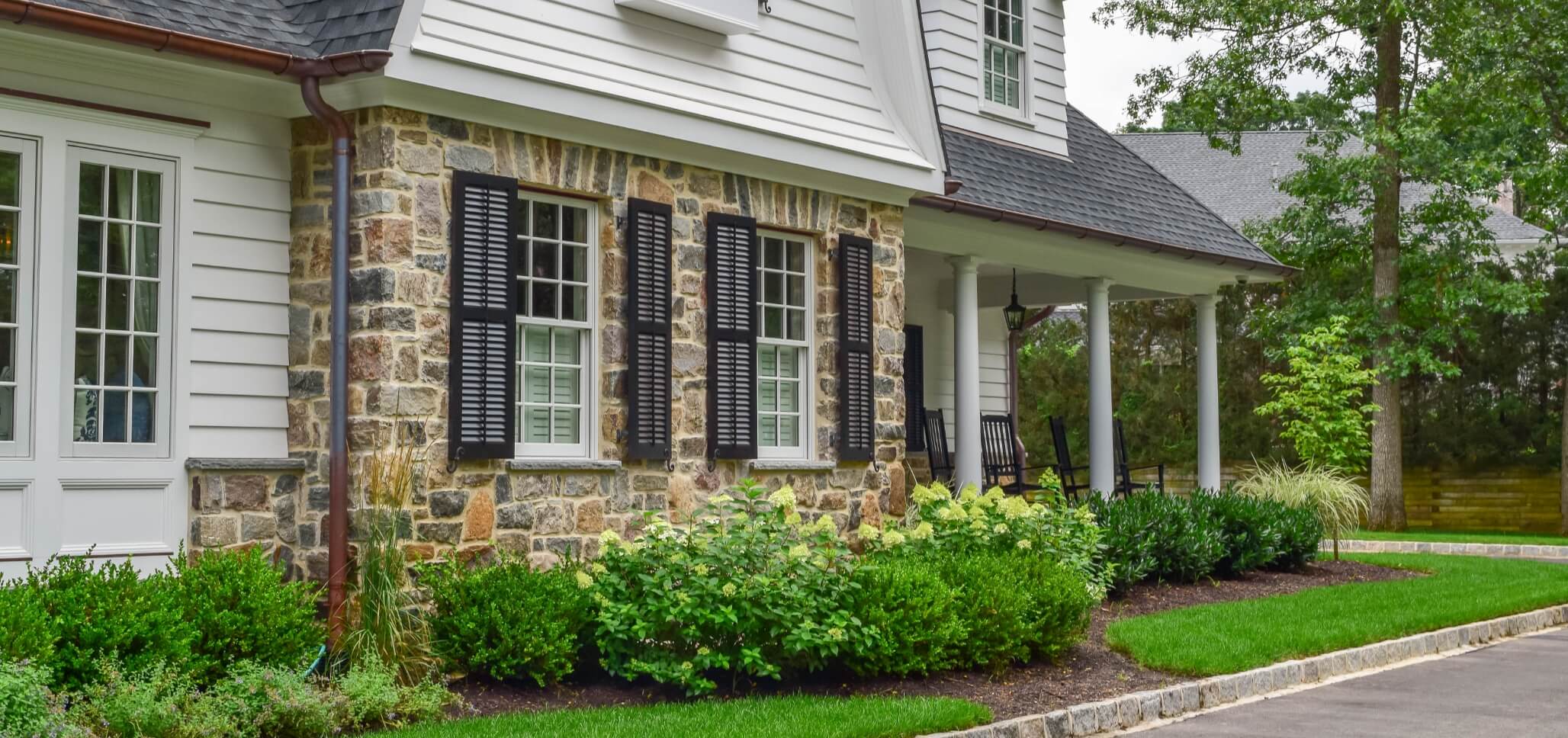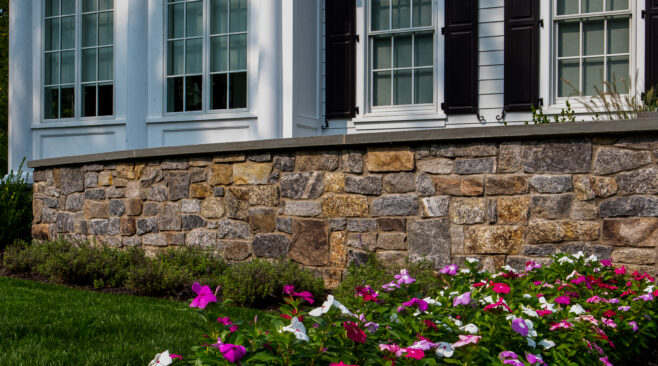

A retaining wall can do much more than hold back soil. When thoughtfully designed, it can transform an uneven backyard into a beautiful, functional outdoor space while adding structure, character, and curb appeal to your property.
Whether you’re looking to level out a sloped yard, create raised garden beds, define a patio, or add decorative landscaping features, retaining walls offer a variety of possibilities. From natural stone walls with timeless charm to modern concrete wall blocks with clean lines, there are plenty of ways to incorporate retaining walls into your landscape design.
But before choosing materials and deciding on a style, there are several important factors to consider. Drainage, soil conditions, wall height, structural requirements, and installation methods all play a role in creating a retaining wall that’s both attractive and built to last.
Here’s everything homeowners should know before starting a retaining wall project, along with some design inspiration to help bring their vision to life.
1. Start With a Plan for Your Landscape
Before selecting wall blocks or natural stone, take a good look at your property and determine what you want your retaining wall to accomplish.
Are you trying to make a sloped backyard more usable? Do you need to prevent soil from washing into your patio? Or are you hoping to create a decorative garden wall that adds dimension to your landscaping?
Understanding the purpose of your retaining wall will help determine its location, height, materials, and overall design.
Other important considerations include:
- Slope and elevation: Evaluate changes in your property’s elevation and determine how much soil the wall will need to retain.
- Wall height: Consider how tall the wall needs to be and whether additional structural engineering or permits may be required.
- Soil conditions: Different soil types affect drainage, stability, and the amount of pressure placed on a retaining wall.
- Drainage: Determine how water moves through your property and how it will be managed behind the wall.
- Available space: Consider how the wall will affect nearby patios, walkways, driveways, and planting areas.
- Existing structures: Identify nearby foundations, fences, trees, utilities, and property boundaries that could affect the project.
A well-planned retaining wall should solve a practical landscaping challenge while complementing the overall appearance of your home.
2. Understand Your Budget and Project Timeline
Retaining wall projects can range from small decorative garden walls to large structural installations, so establishing a realistic budget early in the planning process is essential.
The total cost will depend on factors such as wall height, length, material selection, soil conditions, site accessibility, and installation complexity.
For example, a short landscape wall used to define a garden bed may be less expensive than a tall retaining wall designed to support a significant amount of soil.
Beyond the wall materials themselves, remember to account for expenses such as:
- Excavation and site preparation
- Compacted base materials
- Drainage stone and drainage systems
- Geogrid reinforcement, when required
- Engineering and permit costs
- Wall caps and decorative finishes
- Landscape restoration
- Steps, lighting, or other integrated features
It’s also important to consider whether your project will require specialized equipment or additional labor due to difficult access or changes in elevation.
If you’re planning a larger backyard renovation, incorporating retaining walls into the initial design can help avoid unnecessary excavation or hardscape modifications later.
Project timelines vary depending on the wall’s size, structural requirements, weather conditions, and contractor availability.
Starting the planning process several months before your desired installation date can provide enough time to finalize your design, select materials, and secure necessary approvals.
3. Choose the Right Retaining Wall Materials
One of the most exciting parts of planning a retaining wall project is selecting the materials that will define its appearance.
Your retaining wall should complement your home’s architecture and surrounding landscaping while providing the strength and durability required for its intended purpose.
Here are some popular options to consider.
Concrete Retaining Wall Blocks: Versatile and Durable
Segmental concrete retaining wall blocks are a popular choice for residential landscaping projects because of their durability, design flexibility, and variety of available styles.
These systems are specifically manufactured for retaining wall construction and are available in different colors, shapes, sizes, and textures.
For a traditional appearance, consider wall blocks with a weathered or natural stone-inspired finish.
For a more contemporary design, smooth-faced blocks with clean lines can create a sleek, sophisticated look.
Many manufacturers offer coordinating wall caps, steps, and patio pavers, making it easier to create a cohesive outdoor living space.
Some segmental retaining wall systems can also incorporate geogrid reinforcement for taller or more demanding applications when properly engineered.
It’s important to select a wall system appropriate for your project’s height, soil conditions, and structural requirements.
Natural Stone: Timeless Beauty and Character
Natural stone retaining walls offer a beautiful, organic appearance that blends naturally with the surrounding landscape.
Materials such as granite, fieldstone, and certain types of limestone can create walls with unique textures and color variations.
For a rustic look, irregular natural stone can provide the appearance of a traditional countryside garden wall.
More uniform stone shapes can create a refined, structured design that complements both traditional and contemporary homes.
Natural stone can be especially attractive when paired with bluestone patios, stone steps, and lush landscaping.
However, the suitability of a particular stone depends on its size, shape, strength, and the construction method.
Structural natural stone retaining walls require appropriate design and installation to ensure long-term stability.
Large-Format Retaining Wall Blocks: Bold and Modern
For homeowners who prefer a modern landscape design, large-format retaining wall blocks can create a striking appearance.
Their larger dimensions and streamlined profiles can help establish clean architectural lines, especially on properties with contemporary homes.
Large-format blocks can also be useful for certain larger retaining wall projects, although their size may require specialized installation equipment.
Available in various textures and neutral colors, these systems can complement modern patios, driveways, and outdoor living spaces.
Be sure to select products specifically engineered for the intended wall application.
Natural Stone Veneer: A Decorative Finish
Natural stone veneer can also be incorporated into retaining wall designs as a decorative finish.
For example, a properly engineered concrete or masonry retaining wall may be finished with natural stone thin veneer to achieve a custom appearance.
This approach allows homeowners to coordinate retaining walls with stone facades, outdoor fireplaces, or other masonry features.
It’s important to understand that thin veneer is decorative and does not replace the structural components required to retain soil.
4. Don’t Overlook Drainage and Structural Requirements
While the appearance of your retaining wall is important, what happens behind the wall is just as critical.
Retaining walls are designed to resist the pressure of soil, and water buildup can significantly increase that pressure.
Without proper drainage, water can accumulate behind a wall, potentially causing movement, cracking, leaning, or even failure.
Before construction begins, your contractor should evaluate soil conditions, groundwater, surface runoff, and the amount of material the wall will retain.
Depending on the project, a retaining wall system may require drainage aggregate, perforated drainage pipe, filter fabric, and properly designed outlets.
Taller walls or walls supporting additional loads may also require geogrid reinforcement, deeper foundations, or other engineered components.
For example, a retaining wall located near a driveway, building, or steep slope may experience additional pressure that must be considered during design.
In New Jersey, permit and engineering requirements can vary by municipality and project conditions.
Even relatively short retaining walls may require professional evaluation if they support nearby structures or significant loads.
Working with an experienced retaining wall contractor and a qualified engineer when necessary is essential for a safe, long-lasting installation.
5. Think Beyond the Wall: Create a Cohesive Landscape Design
Retaining walls don’t have to be purely functional.
When incorporated thoughtfully, they can help define outdoor living spaces, create attractive transitions between elevations, and bring structure to your landscaping.
For example, a retaining wall can create a level area for a patio on a sloped property.
It can also be used to establish raised planting beds, frame a walkway, or create a more defined entrance to your home.
Consider coordinating your retaining wall materials with nearby patio pavers, steps, driveway borders, and outdoor living features.
Many hardscape manufacturers offer complementary product collections, making it easier to create a consistent appearance throughout your property.
Landscape lighting can also be incorporated to highlight the wall’s texture and improve visibility along steps or pathways.
If your backyard includes multiple elevations, retaining walls can help connect different outdoor areas while making the landscape feel more intentional.
Planning these features together can create a beautiful, cohesive design that improves both the appearance and usability of your property.
6. Retaining Wall Design Inspiration: Ideas to Elevate Your Landscape
Once you’ve considered the practical details, it’s time to explore the design possibilities!
Whether you’re working with a steep backyard or simply looking to add character to your landscaping, retaining walls can become attractive features in their own right.
Create a Multi-Level Backyard Retreat
If your backyard has a significant slope, retaining walls can help transform uneven terrain into usable outdoor living areas.
Consider creating a series of terraces with separate spaces for dining, lounging, and gardening.
For example, an upper patio near your home could serve as an outdoor dining area, while a lower terrace could feature a fire pit and comfortable seating.
Coordinating retaining wall blocks, patio pavers, and landscape steps can help connect the different levels.
This design can make a sloped property feel more functional while adding dimension and visual interest.
Embrace Natural Stone for a Timeless Landscape
For homeowners who prefer a traditional or organic aesthetic, natural stone retaining walls can create a beautiful connection between the home and surrounding landscape.
Imagine a natural stone wall bordering a bluestone patio, with colorful flowers and ornamental grasses planted above it.
Irregular stone shapes and earthy colors can create a relaxed, rustic appearance, while more uniform stone profiles offer a refined look.
This style works especially well for properties with mature trees, natural landscaping, or traditional architecture.
Design a Modern Landscape With Clean Lines
Modern retaining wall designs often emphasize simplicity, geometric shapes, and neutral colors.
For a contemporary appearance, consider smooth-faced concrete wall blocks in shades of charcoal, gray, or warm beige.
Straight wall sections, clean corners, and minimal decorative details can create a sophisticated look.
Pair these materials with large-format concrete or porcelain pavers, geometric planters, and understated landscape lighting.
A consistent color palette can help the entire outdoor space feel polished and connected.
Add Character With Curved Retaining Walls
Not every retaining wall needs to follow a straight line.
Curved walls can soften a landscape design and create a more natural, inviting appearance.
Consider incorporating a gently curved retaining wall around a garden bed, patio, or outdoor gathering space.
Curved designs work especially well with traditional pavers, natural stone, and lush landscaping.
For a cohesive appearance, choose wall systems designed to accommodate the desired curves and radii.
Incorporate Raised Garden Beds
Retaining walls can be used to create raised planting areas that add color and dimension to your landscape.
For example, a low wall along the edge of a patio can define a garden bed filled with flowering plants, shrubs, or ornamental grasses.
Raised beds can also help organize landscaping on properties with changes in elevation.
Consider selecting wall blocks that complement your patio or walkway materials to create a unified appearance.
Be sure to account for drainage, soil pressure, and the additional moisture associated with planting areas.
Create a Welcoming Front Yard Entrance
Retaining walls aren’t just for backyards.
They can also enhance your home’s curb appeal by defining front walkways, framing driveways, and creating attractive planting areas.
For homes with sloped front yards, a retaining wall can help establish a more structured landscape while managing changes in elevation.
Consider pairing natural stone or concrete wall blocks with coordinated steps, walkway pavers, and landscape lighting.
The result can be a welcoming entrance that complements your home’s architecture.
Add Built-In Seating to Your Outdoor Living Space
For patios and outdoor gathering areas, low landscape walls can sometimes serve as built-in seating when specifically designed for that purpose.
A seating wall can help define a dining or lounge area while providing additional places for guests to gather.
Consider incorporating coordinating wall caps and patio pavers for a polished appearance.
If the wall also retains soil, its structural design must account for the applicable loads and any seating-related requirements.
This approach can be especially attractive around patios, outdoor kitchens, and fire pit areas.
Use Terraced Walls to Soften a Steep Slope
For properties with significant changes in elevation, a series of shorter retaining walls may create a more visually appealing landscape than one tall wall.
Terraced walls can provide space for planting beds, decorative stone, and greenery between levels.
They can also help break up a large slope into smaller, more manageable sections.
However, multiple walls placed close together can affect one another structurally, so proper engineering and drainage design are important.
When planned correctly, terraced retaining walls can transform a challenging slope into an attractive landscape feature.
7. Plan for Long-Term Maintenance
When selecting retaining wall materials, it’s important to consider how they’ll perform over time.
Retaining walls are exposed to soil pressure, moisture, temperature changes, and seasonal weather conditions.
In New Jersey, freeze-thaw cycles can create additional challenges, particularly when drainage is inadequate.
Concrete retaining wall blocks typically require relatively little routine maintenance, although periodic inspections are important.
Natural stone walls may require occasional attention to displaced stones, mortar joints, or other signs of deterioration, depending on the construction method.
Regardless of the material, homeowners should watch for warning signs such as:
- Bulging or leaning wall sections
- Cracking or separation between units
- Soil washing out from behind the wall
- Persistent water accumulation
- Blocked drainage outlets
- Unexpected settling near the wall
These conditions can indicate drainage or structural problems that should be evaluated by a qualified professional.
It’s also important to avoid placing heavy objects, additional soil, or new structures near a retaining wall without confirming that it was designed to support those loads.
Proper maintenance and early attention to potential issues can help protect your investment.
8. Work With Experienced Contractors and Material Suppliers
A successful retaining wall project depends on more than selecting attractive blocks or stone.
Proper design, excavation, foundation preparation, drainage, reinforcement, and installation are essential.
Before hiring a contractor, ask about their experience with the type of retaining wall you’re considering.
Review previous projects and discuss the wall’s structural requirements, drainage design, permits, warranties, and maintenance recommendations.
For larger or more complex projects, a qualified engineer may need to evaluate the site and design the wall.
It’s also helpful to work with a knowledgeable landscape materials supplier who can guide you through different retaining wall systems, colors, textures, and coordinating products.
Seeing materials in person can help you understand how different wall styles will complement your home’s exterior, patio, driveway, and surrounding landscaping.
Ready to Transform Your Landscape With a Retaining Wall?
A thoughtfully designed retaining wall can do more than manage changes in elevation. It can create usable outdoor space, enhance curb appeal, and bring structure and character to your landscape.
Whether you’re envisioning a natural stone garden wall, a modern concrete retaining wall, or a multi-level backyard retreat, careful planning and quality materials are essential.
At Braen Supply, we’re here to help you bring your landscape vision to life. Explore our selection of concrete retaining wall blocks, natural stone, wall caps, pavers, and complementary hardscaping materials.
Visit one of our showrooms in Wanaque, Haledon, or Randolph, NJ, to explore materials in person and get inspired for your next retaining wall project.
From challenging slopes to beautiful outdoor living spaces, the right retaining wall can help you make the most of your property.
Frequently Asked Questions About Planning a Retaining Wall Project
1. What should I consider before building a retaining wall?
Before building a retaining wall, consider your property’s slope, soil conditions, drainage, wall height, and intended purpose. You’ll also want to establish a budget, research local permit requirements, and determine whether professional engineering is necessary. Proper planning is essential because retaining walls must safely resist soil pressure while managing water behind the structure.
2. What is the best material for a residential retaining wall?
The best retaining wall material depends on your project’s structural requirements, budget, and design preferences. Segmental concrete retaining wall blocks are popular for their durability, versatility, and variety of available styles. Natural stone offers timeless beauty and unique textures, while large-format concrete blocks can create a modern appearance. It’s important to choose a system appropriate for the wall’s height, soil conditions, and intended loads.
3. What are some popular retaining wall design ideas?
Popular retaining wall design ideas include terraced landscapes, natural stone garden walls, modern concrete block walls, curved retaining walls, and raised planting beds. Homeowners are also incorporating retaining walls into multi-level patios, front yard entrances, and outdoor living spaces. Coordinating wall materials with nearby pavers, steps, and landscaping can help create a cohesive appearance.
4. Do I need a permit to build a retaining wall?
Permit requirements depend on your municipality, wall height, location, and structural conditions. Some smaller landscape walls may not require a building permit, while taller walls or walls supporting additional loads may require permits and engineered plans. In New Jersey, local zoning requirements may also apply. Always check with your municipal building department before beginning construction.
5. How can I make a retaining wall look more attractive?
You can enhance a retaining wall’s appearance by choosing materials that complement your home and surrounding hardscaping. Natural stone, decorative concrete wall blocks, and coordinating wall caps can create a polished look. Incorporating curved designs, raised garden beds, landscape lighting, and colorful plantings can also add visual interest. For a cohesive design, coordinate your retaining wall with nearby patios, walkways, and outdoor living features.