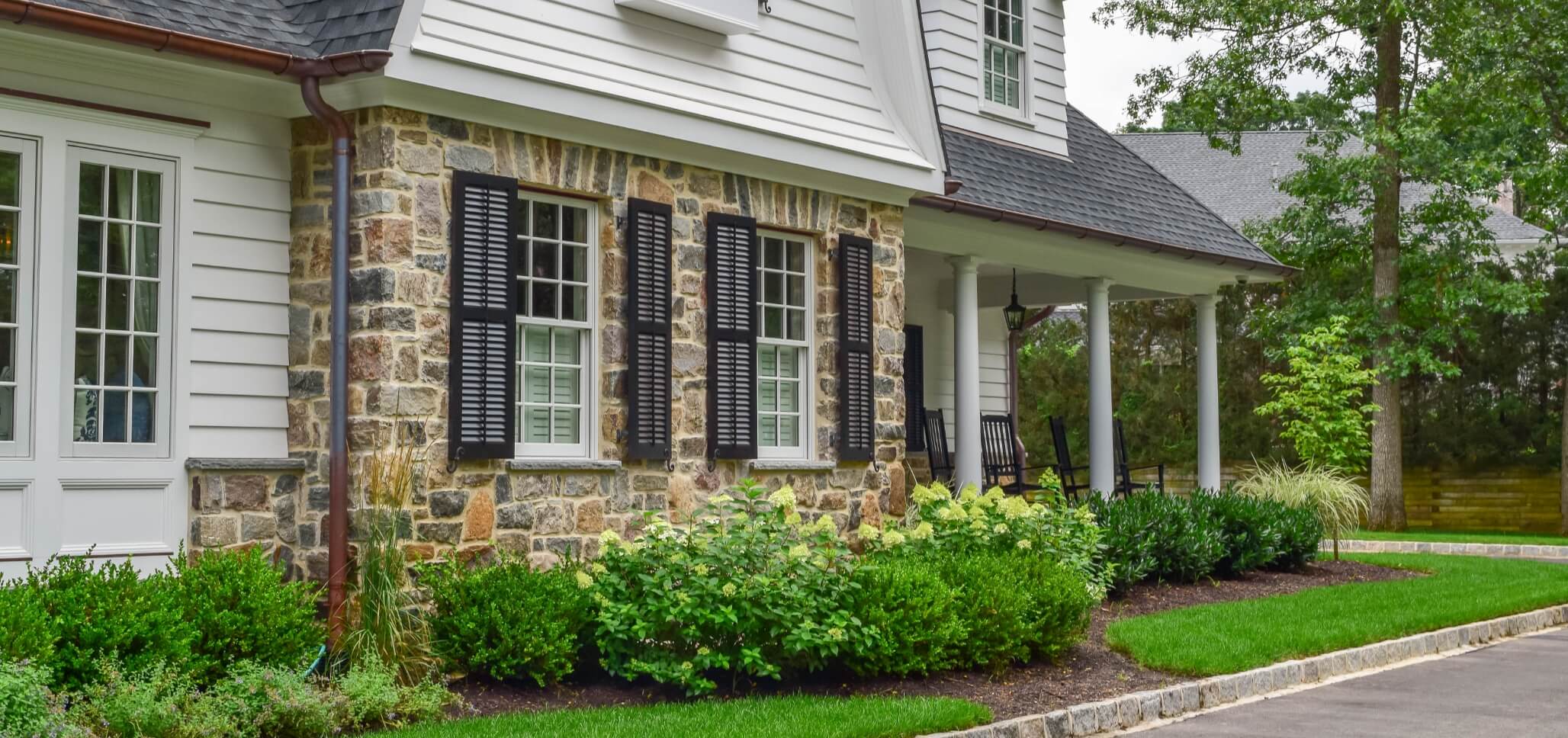
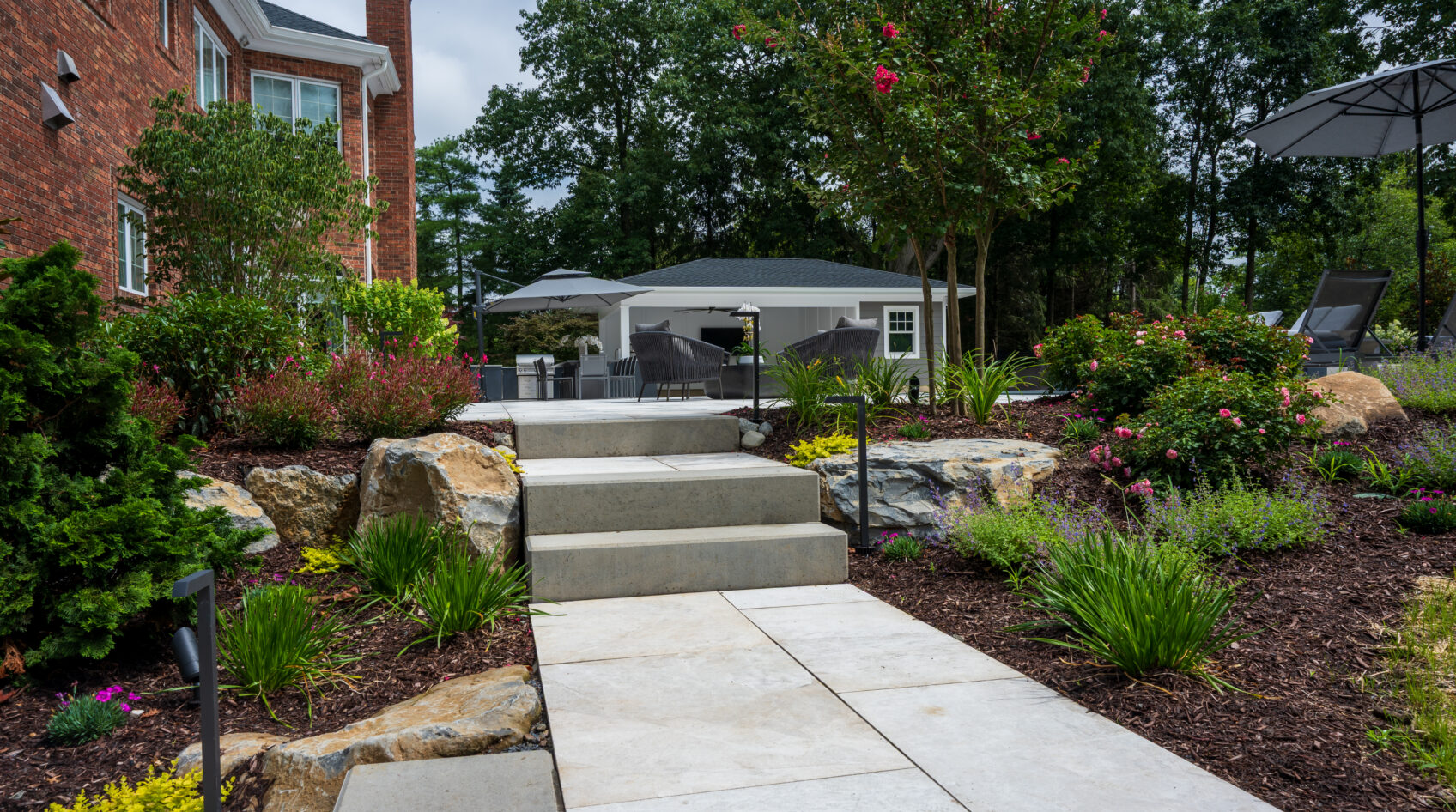
A walkway does more than connect one part of your property to another. It’s an opportunity to enhance your home’s curb appeal, create a welcoming entrance, and bring your entire landscape design together. Whether you’re updating the path to your front door, creating a garden walkway, or connecting your patio to other outdoor living areas, the right walkway can make a lasting impression.
From timeless natural stone paths to modern concrete paver designs, there are countless ways to create a walkway that’s both beautiful and functional. With so many materials, patterns, and design possibilities available, a little planning can go a long way toward achieving the look you want.
Before choosing your favorite pavers or breaking ground, there are several important factors to consider. Layout, drainage, materials, accessibility, and long-term maintenance all play a role in creating a walkway that complements your home and stands up to everyday use.
Here’s everything homeowners should know before starting a walkway project, along with some design inspiration to help bring their vision to life.
1. Start With a Plan for Your Walkway
Before selecting materials or settling on a design, take a good look at your property’s layout and think about how you want your walkway to function.
Are you creating a welcoming path from your driveway to the front door? Do you need a convenient connection between your patio and pool? Or are you envisioning a winding garden path that encourages you to explore your backyard?
The purpose of your walkway will help determine its width, shape, location, and material selection.
Other important considerations include:
- Location and layout: Determine where your walkway should begin and end, and how it will connect different areas of your property.
- Width: Consider how many people will typically use the walkway and whether there’s enough room to walk comfortably side by side.
- Slope and elevation: Evaluate changes in grade and whether steps, landings, or retaining walls may be necessary.
- Accessibility: Think about creating a smooth, stable, and easy-to-navigate surface for family members and visitors.
- Drainage: Consider how rainwater moves across your property and how the walkway may affect existing drainage patterns.
- Surrounding landscaping: Plan how your walkway will interact with garden beds, trees, lawns, and other outdoor features.
A thoughtfully planned walkway should make moving around your property easier while enhancing the overall appearance of your landscape.
2. Understand Your Budget and Project Timeline
A new walkway can range from a simple garden path to an elaborate front entrance with decorative pavers, steps, and landscape lighting.
Establishing a realistic budget early in the process can help you prioritize the features that matter most.
The total cost of your walkway will depend on factors such as its length, width, material selection, site conditions, and installation complexity.
For example, a straight concrete paver walkway may be more budget-friendly than a winding natural stone path with multiple steps and decorative borders.
Beyond the surface materials, remember to account for expenses such as:
- Excavation and site preparation
- Compacted base materials
- Drainage improvements
- Edging and border materials
- Steps and landings
- Landscape restoration
- Lighting and electrical connections
- Permits, when required
It’s also important to think about whether your walkway will be part of a larger landscaping project.
If you’re planning to update your driveway, patio, or front entrance, designing these areas together can help create a cohesive appearance and potentially reduce the need for additional construction later.
Project timelines vary depending on the walkway’s size, complexity, weather conditions, material availability, and contractor scheduling.
Starting the planning process ahead of your desired installation date gives you more time to compare materials, finalize your design, and coordinate with contractors.
3. Choose the Right Walkway Materials
One of the biggest decisions you’ll make during your walkway project is selecting the right surface material.
Your walkway should complement your home’s architecture and landscaping while providing a durable, comfortable surface for everyday foot traffic.
Fortunately, there are plenty of attractive options to consider.
Concrete Pavers: Versatile and Design-Friendly
Concrete pavers are a popular choice for residential walkways thanks to their durability, versatility, and wide range of available styles.
They come in different colors, shapes, sizes, and textures, making it easy to create a walkway that complements your home.
For a traditional appearance, consider cobblestone-inspired pavers in warm, earthy tones.
For a more contemporary design, larger rectangular pavers in shades of gray, charcoal, or beige can create a clean, streamlined look.
Concrete pavers can also be installed in different patterns, including running bond, herringbone, and modular layouts.
Another advantage is that individual pavers can often be replaced if they become damaged, making repairs more manageable.
Natural Stone: Timeless Beauty and Character
Natural stone is an excellent option for homeowners who appreciate organic textures, unique color variations, and timeless appeal.
Materials such as bluestone, flagstone, and certain types of limestone can create beautiful walkways that blend naturally with their surroundings.
Bluestone is especially popular in the Northeast because of its classic appearance and versatility.
Its range of blue, gray, and earthy tones complements both traditional and contemporary homes.
For a more formal entrance, consider rectangular bluestone laid in a consistent pattern.
For a relaxed garden path, irregular flagstone can create a charming, natural appearance.
When selecting natural stone, consider surface texture, thickness, durability, and suitability for your local climate.
Porcelain Pavers: Modern Style Meets Low Maintenance
For homeowners looking to create a sleek, contemporary walkway, porcelain pavers may be an attractive option.
Outdoor-rated porcelain pavers are available in finishes that resemble natural stone, concrete, and wood, offering plenty of design flexibility.
Their low water absorption and resistance to many common stains make them appealing for outdoor applications.
Large-format porcelain pavers can create a modern, sophisticated appearance, especially when paired with minimalist landscaping.
Be sure to select porcelain products specifically rated for exterior pedestrian use and appropriate for the intended installation method.
Gravel and Decorative Stone: Casual and Natural
For garden paths and informal backyard walkways, gravel and decorative stone can provide an attractive, budget-conscious alternative to traditional pavers.
Materials such as pea gravel and crushed stone can create a relaxed, natural appearance that works especially well in gardens and rustic landscapes.
Gravel paths can also be relatively simple to modify as landscaping changes over time.
However, loose stone may shift underfoot and can be more difficult to navigate with strollers, wheelchairs, or other wheeled equipment.
For primary entrances or areas where accessibility is important, a firm, stable paving surface may be the better choice.
Stepping Stones: A Creative Garden Path Option
Stepping stones offer a charming way to connect different areas of your backyard without creating a continuous paved surface.
Natural stone slabs or appropriately rated concrete and porcelain pavers can be placed within lawns, gravel, or decorative stone beds.
This design works particularly well for garden paths, side yards, and informal connections between outdoor living areas.
When planning a stepping-stone walkway, consider spacing, stability, and the comfort of walking from one stone to the next.
4. Don’t Overlook Proper Drainage and Base Preparation
A beautiful walkway starts with a solid foundation.
While homeowners often focus on the appearance of pavers or natural stone, proper base preparation and drainage are essential for long-term performance.
Without an appropriate foundation, walkways can experience settling, uneven surfaces, shifting materials, and water-related damage.
Before installation begins, your contractor should evaluate the soil conditions, existing grade, and how water moves across your property.
Depending on the material and installation method, the project may require excavation, compacted aggregate, bedding materials, edge restraints, and drainage improvements.
Walkways should also be graded to help prevent standing water and direct runoff away from your home’s foundation.
For homeowners in New Jersey and other cold-weather climates, freeze-thaw conditions are another important consideration.
Selecting climate-appropriate materials and following proper installation methods can help minimize shifting, heaving, and other seasonal issues.
Taking the time to prepare the site correctly can help your walkway remain attractive and functional for years to come.
5. Think Beyond the Walkway: Create a Cohesive Landscape Design
Your walkway doesn’t have to be a standalone feature.
In fact, some of the most beautiful landscape designs use walkways to connect patios, driveways, gardens, and other outdoor living spaces.
When planning your project, think about how your walkway will coordinate with the surrounding hardscaping.
For example, a front walkway constructed with concrete pavers can complement a matching driveway border or entryway steps.
A natural stone garden path can connect beautifully with a bluestone patio or natural stone retaining wall.
You might also consider incorporating:
- Landscape lighting: Improve nighttime visibility while highlighting the walkway’s shape and surrounding plants.
- Garden beds: Add color, texture, and seasonal interest along the path.
- Retaining walls: Manage changes in elevation and define walkway edges.
- Steps and landings: Create comfortable transitions between different elevations.
- Decorative borders: Add contrast and definition to the walkway design.
- Outdoor living connections: Link your patio, pool, fire pit, and outdoor kitchen with coordinated materials.
Planning these features together can help create a more polished, intentional appearance throughout your property.
6. Walkway Design Inspiration: Ideas to Elevate Your Landscape
Once you’ve considered the practical details, it’s time to explore the design possibilities!
Whether you’re drawn to a classic front entrance, a modern geometric walkway, or a winding garden path, there are countless ways to make your walkway feel uniquely yours.
Create a Welcoming Front Entrance With Classic Pavers
Your front walkway is one of the first features guests encounter when visiting your home.
For a timeless appearance, consider concrete pavers with a cobblestone-inspired texture or a traditional rectangular shape.
Warm gray, beige, and earth-toned pavers can complement a variety of home exteriors.
Pair your walkway with coordinated front steps, decorative landscaping, and welcoming outdoor lighting.
For added definition, consider incorporating a contrasting paver border that frames the path and draws attention toward your front door.
Embrace Natural Stone for a Timeless Garden Path
For homeowners who appreciate a relaxed, organic aesthetic, natural stone can create a beautiful connection between the home and surrounding landscape.
Imagine an irregular flagstone walkway winding through colorful garden beds, ornamental grasses, and mature greenery.
Natural stone’s unique textures and color variations can make the path feel like an established part of the landscape.
For a more structured appearance, rectangular bluestone can create a refined walkway that still maintains a natural feel.
This design works especially well for traditional homes, cottage-inspired landscapes, and properties with established gardens.
Design a Modern Walkway With Large-Format Pavers
Modern walkway designs often emphasize clean lines, simple patterns, and neutral colors.
For a contemporary appearance, consider large-format concrete or outdoor-rated porcelain pavers in shades of charcoal, gray, or warm beige.
Rectangular pavers arranged in a consistent pattern can create a sleek, sophisticated entrance.
Pair these materials with geometric planters, minimalist landscaping, and subtle pathway lighting.
For a particularly striking look, consider a series of large rectangular stepping stones separated by decorative gravel, provided the layout is appropriate for the intended use and accessibility needs.
Add Character With a Curved Walkway
Not every walkway needs to follow a straight line.
A gently curved path can soften the appearance of your landscape and create a more inviting journey through your yard.
Curved walkways work especially well in gardens, larger front yards, and landscapes with natural features.
Consider using smaller concrete pavers or irregular natural stone to accommodate the curves.
Surround the path with flowering plants, low shrubs, and decorative stone to enhance its organic appearance.
A curved walkway can also help guide visitors through different areas of your property while adding visual interest.
Make a Statement With Decorative Borders and Patterns
Sometimes, small design details make the biggest impact.
Decorative borders are a great way to add personality and definition to a walkway.
For example, a light gray paver walkway with a charcoal border can create a polished, modern appearance.
You can also incorporate different laying patterns, such as herringbone or running bond, to add texture and visual interest.
For a more traditional look, consider a cobblestone-inspired border around a natural stone walkway.
Coordinating these details with your driveway or patio can help tie your entire landscape together.
Create a Charming Stepping-Stone Garden Path
For a more casual backyard design, consider incorporating stepping stones surrounded by grass, gravel, or decorative stone.
Large natural stone slabs can create an organic appearance, while rectangular concrete pavers offer a more structured look.
This style works beautifully for paths leading to gardens, sheds, patios, or quiet seating areas.
Consider adding low-growing plants along the edges to soften the design and create a welcoming atmosphere.
Be sure the stepping stones are installed securely and spaced comfortably for walking.
Incorporate Landscape Lighting for Evening Appeal
A walkway can be just as beautiful after sunset as it is during the day.
Thoughtfully placed landscape lighting can highlight the path, improve visibility, and create a welcoming atmosphere.
Consider low-profile pathway lights, integrated step lighting, or subtle fixtures that illuminate nearby plants and stone features.
For a cohesive appearance, choose lighting styles that complement your home’s exterior and surrounding hardscaping.
Avoid overly bright or poorly positioned fixtures that create glare.
The goal is to make the walkway easy to navigate while enhancing the overall ambiance of your landscape.
Connect Outdoor Living Areas With Coordinated Walkways
If your backyard includes multiple outdoor living features, walkways can help create a natural flow between them.
For example, a paver walkway can connect your patio to a pool, outdoor kitchen, or fire pit area.
Using coordinating materials throughout these spaces creates visual continuity and helps the backyard feel like one complete design.
For larger properties, consider combining straight paths near formal entertaining areas with softer curves through gardens and landscaped sections.
This approach allows different parts of your yard to have their own personality while remaining visually connected.
7. Plan for Long-Term Maintenance
When choosing walkway materials, it’s important to think beyond the finished appearance and consider how much maintenance you’re comfortable with.
Your walkway will be exposed to foot traffic, rain, sunlight, dirt, leaves, and changing temperatures throughout the year.
Concrete pavers may require occasional joint maintenance and cleaning, while some natural stone products may benefit from sealing.
Porcelain pavers typically require relatively little maintenance, although regular cleaning is still important.
Gravel paths may need occasional leveling and replenishment as stones shift over time.
In New Jersey, winter weather is another important consideration.
Snow, ice, and freeze-thaw cycles can affect outdoor surfaces, so it’s important to select durable materials and follow appropriate snow removal and deicing practices.
Regularly inspecting your walkway for uneven surfaces, loose stones, or drainage problems can help identify maintenance needs before they become larger issues.
8. Work With Experienced Contractors and Material Suppliers
Even the most attractive walkway materials won’t perform as intended without proper installation.
A successful walkway project depends on thoughtful planning, appropriate base preparation, drainage, and attention to detail.
Before hiring a contractor, review examples of their previous work and ask about their experience with the materials you’re considering.
Discuss installation methods, project timelines, warranties, and maintenance recommendations before construction begins.
It’s also helpful to work with a knowledgeable landscape materials supplier who can guide you through different paver styles, colors, textures, and finishes.
Seeing materials in person can make a significant difference. Natural stone colors and paver textures often look different in natural sunlight than they do in online photographs.
Visiting a showroom allows you to compare products, explore design combinations, and feel more confident in your selections.
Ready to Transform Your Landscape With a New Walkway?
A thoughtfully designed walkway can do more than provide a convenient path around your property. It can enhance curb appeal, connect outdoor living spaces, and create a welcoming first impression for your home.
Whether you’re envisioning a timeless bluestone entrance, a modern concrete paver walkway, or a charming garden path, the right materials and careful planning can help bring your vision to life.
At Braen Supply, we’re here to help you create an outdoor space you’ll love. Explore our selection of concrete pavers, porcelain pavers, natural stone, decorative stone, steps, and complementary hardscaping materials.
Visit one of our showrooms in Wanaque, Haledon, or Randolph, NJ, to explore materials in person and get inspired for your next walkway project.
From your front door to your favorite backyard retreat, every great outdoor space starts with a path worth taking.
Frequently Asked Questions About Planning a Walkway Project
1. What should I consider before installing a new walkway?
Before installing a walkway, consider your property’s layout, the path’s intended purpose, drainage, budget, and preferred materials. You’ll also want to think about walkway width, slope, accessibility, and how the path will connect with surrounding landscaping. Planning these elements together can help create a walkway that’s both attractive and comfortable to use.
2. What is the best material for an outdoor walkway?
The best walkway material depends on your design preferences, budget, climate, and maintenance expectations. Concrete pavers offer durability and a wide variety of styles, while natural stone provides timeless beauty and unique textures. Outdoor-rated porcelain pavers are another option for homeowners seeking a modern appearance and relatively low maintenance. Gravel and stepping stones can work well for informal garden paths, although they may be less suitable for primary entrances or accessibility-focused designs.
3. What are some popular walkway design ideas?
Popular walkway design ideas include large-format pavers, natural stone garden paths, curved walkways, decorative paver borders, and modern stepping-stone layouts. Homeowners are also incorporating landscape lighting, raised garden beds, and coordinating steps to create more inviting outdoor spaces. Selecting materials that complement your home’s architecture and surrounding hardscaping can help achieve a cohesive appearance.
4. How wide should a residential walkway be?
A residential walkway’s ideal width depends on how it will be used. Many homeowners choose a width of approximately 3 to 4 feet for a primary walkway, while wider paths can provide more room for two people to walk comfortably side by side. Garden paths and secondary walkways may be narrower depending on their purpose. If accessibility is a priority, consider applicable design standards, surface stability, and required clearances when planning the layout.
5. How can I make my front walkway look more luxurious?
You can elevate your front walkway by incorporating natural stone, decorative paver borders, large-format pavers, and coordinated entryway steps. Thoughtful landscaping, subtle pathway lighting, and complementary colors can also create a more sophisticated appearance. For a polished design, coordinate your walkway materials with your driveway, porch, and other exterior features.