There’s something special about cooking and entertaining outdoors. Whether you’re hosting a summer barbecue, enjoying dinner with family, or gathering with friends on a beautiful evening, an outdoor kitchen can transform your backyard into an inviting space for making memories.
More than just a place to grill, an outdoor kitchen can become the heart of your backyard. From built-in grills and spacious countertops to pizza ovens, refrigerators, and comfortable dining areas, today’s outdoor kitchens offer endless opportunities to combine convenience, functionality, and beautiful design.
But before choosing appliances or selecting your favorite stone finishes, there are several important factors to consider. Layout, location, materials, utilities, and budget all play a role in creating an outdoor kitchen that’s as practical as it is attractive.
Here’s everything homeowners should know before starting an outdoor kitchen project, along with some design inspiration to help bring their vision to life.
1. Start With a Plan for Your Outdoor Living Space
Before selecting materials or appliances, take a good look at your backyard and think about how you want to use your outdoor kitchen.
Are you hoping to create a simple grilling station for family dinners? Do you love hosting large gatherings and want a fully equipped outdoor cooking space? Or are you envisioning an outdoor kitchen that connects seamlessly with your patio, pool, and entertaining areas?
Your answers will help determine the size, layout, and features that make the most sense for your home.
Other important considerations include:
- Available space: Determine how much room you have for cooking, food preparation, dining, and comfortable movement around the kitchen.
- Location: Consider how close your outdoor kitchen should be to your home, existing patio, and indoor kitchen.
- Sun and wind exposure: Think about where the sun hits during the day and how prevailing winds may affect cooking comfort and smoke.
- Accessibility: Plan convenient pathways between your outdoor kitchen, dining area, and other backyard features.
- Utilities: Determine whether your design will require gas, electricity, water, or drainage connections.
- Local requirements: Check municipal regulations, permits, and applicable building and fire codes before finalizing your plans.
A thoughtfully planned outdoor kitchen should complement your backyard while making cooking and entertaining easier and more enjoyable.
2. Understand Your Budget and Project Timeline
Outdoor kitchens can range from compact built-in grilling stations to elaborate entertaining spaces with multiple appliances, custom cabinetry, and premium finishes.
Establishing a realistic budget early in the process can help you prioritize the features that matter most.
Your total investment will depend on several factors, including the size of your kitchen, appliance selections, construction materials, utility connections, and installation complexity.
For example, a simple grill island with countertop space may be more budget-friendly than a large outdoor kitchen featuring a pizza oven, refrigerator, sink, and bar seating.
Beyond appliances and decorative finishes, remember to account for expenses such as:
- Site preparation and foundation work
- Patio installation or modifications
- Gas, electrical, and plumbing connections
- Outdoor-rated cabinetry and storage
- Countertops and stone veneer
- Lighting and weather protection
- Permits and professional installation
It’s also important to think about which features you’ll use regularly. If grilling is your main priority, investing in a quality grill and plenty of preparation space may be more valuable than adding appliances you rarely use.
If your budget doesn’t allow for everything at once, consider planning the space in phases. Installing necessary utility connections during the initial construction can make future upgrades easier.
Project timelines vary depending on the design, materials, permitting requirements, weather, and contractor availability.
Starting the planning process several months before your desired completion date can help you make confident decisions without rushing.
3. Choose the Right Outdoor Kitchen Layout
Your outdoor kitchen’s layout will have a major impact on how comfortably and efficiently you can use the space.
The best design will depend on your backyard’s size, the appliances you want, and how you plan to entertain.
Straight-Line Kitchens: Simple and Space-Saving
A straight-line outdoor kitchen is a great option for smaller patios or homeowners who want a streamlined cooking area.
This layout typically features a grill, countertop space, and storage arranged along a single island or wall.
It provides the essentials without taking up too much room, making it ideal for compact backyards.
L-Shaped Kitchens: Functional and Versatile
An L-shaped outdoor kitchen offers additional countertop space and helps separate cooking and preparation areas.
This layout works well for homeowners who enjoy entertaining because it can provide room for multiple appliances and seating along one side.
An L-shaped kitchen can also help define the boundary between a cooking area and the rest of the patio.
U-Shaped Kitchens: Built for Entertaining
For homeowners with larger outdoor spaces, a U-shaped kitchen can create a fully equipped cooking and entertaining area.
This layout provides generous countertop space, storage, and room for multiple cooking appliances.
It can also create a natural gathering area where guests can socialize while meals are being prepared.
Be sure to leave adequate clearance between counters and appliances so doors can open fully and people can move comfortably.
Kitchen Islands: A Social Gathering Spot
A freestanding outdoor kitchen island can become a central feature of your patio.
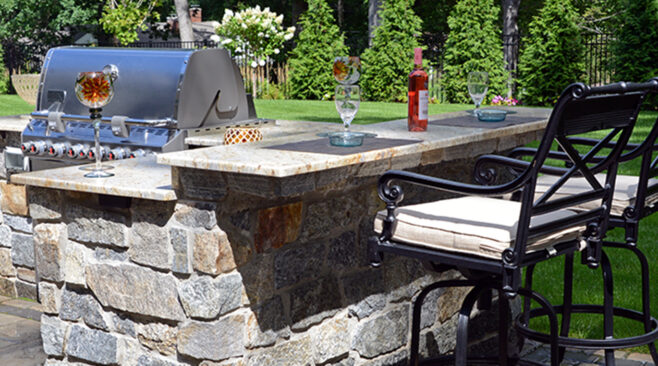
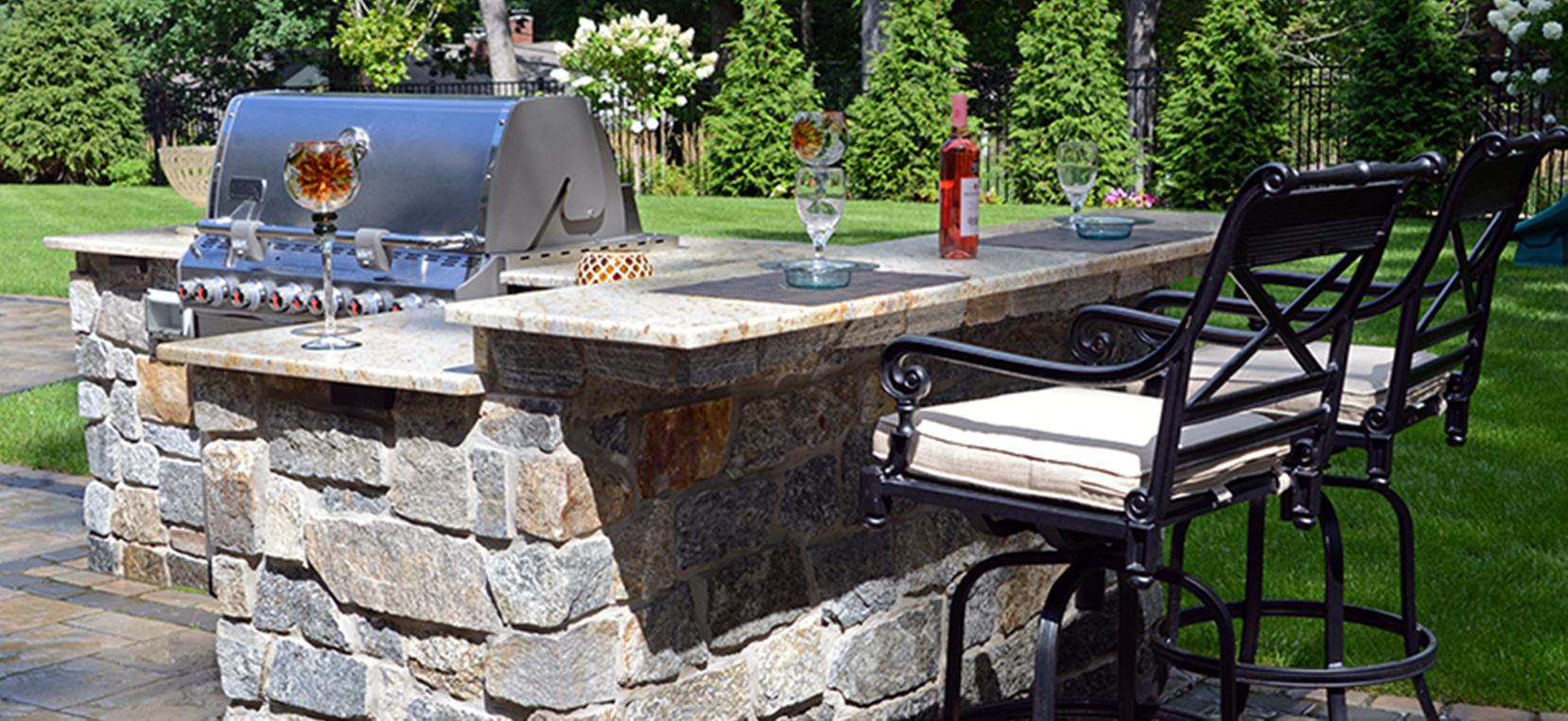
With a built-in grill, countertop space, and optional bar seating, an island encourages conversation and creates a relaxed atmosphere.
This layout works especially well in open patios where the kitchen can serve as a connection between dining and lounging areas.
4. Select the Right Appliances and Features
One of the most exciting parts of planning an outdoor kitchen is deciding which appliances and features to include.
While it’s tempting to incorporate every available option, the best outdoor kitchens are designed around how homeowners actually cook and entertain.
Built-In Grills
A built-in grill is often the centerpiece of an outdoor kitchen.
Available in a variety of sizes and configurations, built-in grills provide a convenient cooking station and can be integrated into custom kitchen islands.
When choosing a grill, consider the number of people you typically cook for, the fuel type, and the amount of countertop space you’ll need nearby.
Outdoor Pizza Ovens
Pizza ovens have become a popular addition to outdoor kitchens, offering a fun and interactive cooking experience.
Whether you’re making homemade pizzas for family dinner or entertaining guests, a pizza oven can become a standout feature.
Pizza ovens are available in wood-fired, gas, and other configurations, so consider your cooking preferences and installation requirements.
Outdoor Refrigerators
An outdoor refrigerator can make entertaining more convenient by keeping drinks, ingredients, and other essentials close at hand.
Look for appliances specifically rated for outdoor use and appropriate for your climate and installation location.
Sinks and Prep Stations
If you plan to prepare meals outdoors frequently, a sink and dedicated preparation area can make your kitchen more functional.
A sink may require additional plumbing, drainage, and winterization considerations, particularly in areas with freezing temperatures.
Storage and Cabinetry
Outdoor-rated cabinets and drawers can help keep grilling tools, cookware, and other supplies organized.
Select materials designed to withstand moisture, temperature changes, and outdoor exposure.
Bar Seating and Dining Areas
Incorporating bar seating into your outdoor kitchen can create a casual gathering place where guests can socialize while meals are being prepared.
For larger patios, consider placing a dedicated dining area nearby to create a comfortable transition between cooking and entertaining.
5. Choose the Right Materials for Your Outdoor Kitchen
Your outdoor kitchen materials play an important role in its appearance, durability, and maintenance requirements.
Because outdoor kitchens are exposed to moisture, sunlight, temperature changes, and cooking-related wear, selecting materials appropriate for exterior applications is essential.
Here are some popular options to consider.
Natural Stone Veneer: Timeless Beauty and Character
Natural stone veneer is an excellent choice for homeowners who want to add warmth, texture, and character to their outdoor kitchen.
Available in a variety of colors, shapes, and profiles, natural stone thin veneer can complement everything from rustic backyard retreats to sophisticated outdoor entertaining spaces.
For a traditional appearance, consider irregular stone profiles in warm earth tones. For a more contemporary design, linear stone veneer in shades of gray or charcoal can create a sleek, refined look.
Natural stone veneer can be applied as a decorative finish over a properly constructed kitchen island or other suitable structure.
Be sure to follow the appliance manufacturer’s requirements for clearances, ventilation, and noncombustible construction.
Concrete Wall Blocks: Versatile and Coordinated
Concrete wall blocks and compatible outdoor kitchen systems are another popular option for creating custom kitchen islands.
Available in various colors, textures, and finishes, these materials can coordinate beautifully with nearby patios, retaining walls, and seating areas.
Some manufacturers offer modular outdoor kitchen systems designed to simplify the construction process.
For a cohesive appearance, consider selecting wall blocks that complement your existing patio pavers.
Porcelain Pavers: Modern and Low-Maintenance
Porcelain pavers are a popular option for the patio surrounding an outdoor kitchen.
Their clean appearance, durability, and relatively low maintenance requirements make them appealing for outdoor entertaining areas.
Available in finishes that resemble natural stone, concrete, and wood, outdoor-rated porcelain pavers can complement a wide range of kitchen styles.
For a modern outdoor kitchen, consider large-format porcelain pavers in neutral shades of gray, beige, or cream.
Select products with appropriate slip resistance for outdoor use, especially near sinks, pools, or other areas exposed to water.
Natural Stone and Concrete Pavers
Natural stone and concrete pavers are also excellent choices for outdoor kitchen patios.
Bluestone can create a timeless appearance, while concrete pavers offer a wide range of colors, shapes, and laying patterns.
Both can help visually connect your outdoor kitchen with surrounding walkways, patios, and other hardscape features.
Countertop Materials
Your countertops should be durable, easy to maintain, and suitable for outdoor exposure.
Popular options include certain natural stones, outdoor-rated porcelain surfaces, and concrete countertops designed for exterior applications.
When comparing materials, consider resistance to staining, sunlight, moisture, heat, and freeze-thaw conditions.
Not all indoor countertop products are appropriate for outdoor kitchens, so confirm that your selected material is approved for exterior use.
6. Don’t Overlook Utilities, Ventilation, and Safety
A beautiful outdoor kitchen needs to be properly designed and installed to function safely.
Gas grills, pizza ovens, refrigerators, sinks, and other appliances may require professional utility connections and specific installation conditions.
If you’re incorporating a gas grill into a built-in island, proper ventilation is especially important to prevent gas from accumulating inside enclosed spaces.
Your contractor should also account for appliance clearances, heat-resistant construction materials, electrical protection, and safe access to utility shutoffs.
If your kitchen will be located beneath a pergola, pavilion, or covered patio, additional ventilation and clearance requirements may apply.
Never assume that a grill or other cooking appliance is suitable for use beneath an overhead structure. The specific appliance must be approved for the intended installation.
For homeowners in New Jersey, freezing temperatures are another important consideration. Outdoor plumbing may need to be winterized, and certain appliances may require seasonal protection.
Working with qualified professionals and following manufacturer instructions can help ensure your outdoor kitchen is safe, functional, and built to last.
7. Outdoor Kitchen Design Inspiration: Ideas to Elevate Your Backyard
Once you’ve considered the practical details, it’s time to explore the design possibilities!
Whether you prefer a cozy, rustic kitchen or a sleek, modern entertaining space, there are countless ways to personalize your backyard.
Create a Luxury Resort-Inspired Outdoor Kitchen
Bring the feeling of a luxury resort to your backyard with a sophisticated outdoor kitchen design.
Consider a spacious kitchen island finished with natural stone veneer, complemented by light-colored porcelain pavers and elegant countertops.
Add comfortable bar seating, modern outdoor furniture, and subtle landscape lighting to create a polished atmosphere.
For a cohesive appearance, use a neutral color palette of warm beige, soft gray, or sandy tones throughout the space.
If your backyard includes a pool, position the kitchen so it connects naturally with nearby lounging and dining areas.
Embrace Rustic Charm With Natural Stone
For homeowners who appreciate a warm, traditional aesthetic, natural stone can help create a welcoming outdoor kitchen.
Imagine a kitchen island finished with irregular natural stone veneer, paired with a bluestone patio and wood-inspired accents.
A built-in pizza oven can add character while creating a fun cooking experience for family and friends.
Complete the space with comfortable dining furniture, warm lighting, and lush landscaping.
This design works especially well for farmhouse-style homes and properties surrounded by mature trees or natural scenery.
Design a Modern Outdoor Kitchen With Clean Lines
Modern outdoor kitchens often emphasize simplicity, functionality, and streamlined materials.
For a contemporary appearance, consider a rectangular kitchen island with linear stone veneer, sleek countertops, and stainless steel appliances.
Large-format porcelain pavers in shades of charcoal, gray, or cream can create a clean foundation for the space.
Pair these materials with minimalist outdoor furniture, geometric planters, and understated lighting.
A limited color palette helps create a sophisticated design without overwhelming the backyard.
Add a Bar Area for Entertaining
If you love hosting friends and family, consider incorporating a bar area into your outdoor kitchen.
An extended countertop with bar stools creates a convenient place for guests to gather while meals are being prepared.
For larger outdoor kitchens, a beverage refrigerator and additional counter space can make entertaining even easier.
Consider using a contrasting countertop or decorative stone veneer to make the bar area stand out.
This design works especially well with L-shaped or U-shaped kitchen layouts.
Pair Your Outdoor Kitchen With a Fireplace or Fire Pit
An outdoor kitchen doesn’t have to be the only focal point in your backyard.
Pairing your cooking area with a fireplace or fire pit can create a complete outdoor entertaining experience.
Imagine preparing dinner at your outdoor kitchen before gathering around a natural stone fireplace as the evening cools down.
Using complementary stone veneer, wall blocks, and patio pavers can visually connect the two spaces.
For larger backyards, consider creating separate cooking, dining, and lounging zones that flow naturally together.
Maximize a Small Backyard With a Compact Kitchen
You don’t need an enormous patio to enjoy the benefits of an outdoor kitchen.
A compact grill island with countertop space and built-in storage can provide everything you need for everyday outdoor cooking.
For smaller spaces, prioritize essential appliances and avoid overcrowding the layout.
A straight-line kitchen positioned along the edge of a patio can help preserve valuable seating and entertaining space.
Using consistent paving materials and light, neutral colors can also make the area feel more open.
Create a Seamless Indoor-Outdoor Entertaining Space
For homeowners who enjoy entertaining, consider designing an outdoor kitchen that feels like an extension of the home’s interior.
Positioning the kitchen near a patio door can make it easier to transport food, dishes, and supplies between spaces.
Coordinate your outdoor materials with your home’s exterior colors and architectural style.
A covered dining area, comfortable seating, and thoughtfully placed lighting can help create a welcoming environment for gatherings.
When designed together, your indoor and outdoor spaces can feel connected while serving different purposes.
8. Plan for Long-Term Maintenance
When selecting materials and appliances for your outdoor kitchen, it’s important to think beyond the finished appearance.
Outdoor kitchens are exposed to moisture, sunlight, dirt, cooking grease, and seasonal temperature changes.
Natural stone veneer may require occasional cleaning and inspection, while certain stone products may benefit from sealing depending on their characteristics.
Concrete wall blocks and patio pavers may also need periodic cleaning and joint maintenance.
Stainless steel appliances should be cleaned according to manufacturer recommendations, and outdoor-rated cabinets should be inspected for wear.
In New Jersey and other cold-weather climates, winterization is especially important.
Water lines may need to be drained, appliances may require seasonal protection, and countertops should be maintained according to their material-specific care instructions.
Selecting durable materials and following recommended maintenance practices can help keep your outdoor kitchen looking and functioning beautifully for years to come.
9. Work With Experienced Contractors and Material Suppliers
A successful outdoor kitchen project requires more than attractive materials and high-quality appliances.
Proper construction, utility installation, ventilation, drainage, and attention to detail are essential.
Before hiring a contractor, ask about their experience building outdoor kitchens and installing the specific materials and appliances you’re considering.
Review examples of previous projects and discuss installation requirements, permits, warranties, and maintenance recommendations.
It’s also helpful to work with a knowledgeable masonry and landscape materials supplier who can guide you through stone veneer, wall blocks, pavers, and other outdoor kitchen finishes.
Seeing materials in person can make a significant difference when coordinating your kitchen with an existing patio or planning a completely new outdoor living space.
Ready to Create Your Dream Outdoor Kitchen?
An outdoor kitchen can transform your backyard into a space where cooking, dining, and entertaining come together.
Whether you’re envisioning a simple grilling station, a rustic natural stone kitchen, or a fully equipped outdoor entertaining area, thoughtful planning and quality materials can help bring your vision to life.
At Braen Supply, we’re here to help you create an outdoor space you’ll love. Explore our selection of natural stone veneer, concrete pavers, wall blocks, porcelain pavers, and complementary outdoor living materials.
Visit one of our showrooms in Wanaque, Haledon, or Randolph, NJ, to explore materials in person and get inspired for your next outdoor kitchen project.
From casual family dinners to unforgettable backyard gatherings, your dream outdoor kitchen starts with the right design.
Frequently Asked Questions About Planning an Outdoor Kitchen
1. What should I consider before building an outdoor kitchen?
Before building an outdoor kitchen, consider your backyard’s size, layout, budget, and how you plan to use the space. You’ll also want to determine which appliances are essential, evaluate utility requirements, and choose materials suitable for outdoor exposure. Planning your kitchen alongside nearby patios, dining areas, and other outdoor features can help create a cohesive and functional design.
2. What are the best materials for an outdoor kitchen?
The best materials for an outdoor kitchen depend on your design preferences, climate, and maintenance expectations. Natural stone veneer offers timeless beauty and texture, while concrete wall blocks provide versatility and can coordinate with surrounding hardscaping. For the patio, porcelain pavers, natural stone, and concrete pavers are popular choices. Countertops and structural components should be specifically rated for outdoor use and compatible with the appliances being installed.
3. What are some popular outdoor kitchen design ideas?
Popular outdoor kitchen design ideas include natural stone kitchen islands, modern grilling stations, L-shaped kitchens with bar seating, and outdoor kitchens paired with fireplaces or fire pits. Homeowners are also incorporating pizza ovens, beverage refrigerators, large-format porcelain patios, and coordinated outdoor dining areas. Selecting complementary materials and colors can help create a beautiful, cohesive backyard.
4. How much space do I need for an outdoor kitchen?
The amount of space needed depends on the appliances, layout, and features you want to include. A compact straight-line kitchen may fit comfortably along the edge of a smaller patio, while an L-shaped or U-shaped design requires additional room for countertops, appliances, and circulation. Be sure to account for appliance door clearances, preparation areas, seating, and safe movement around cooking equipment.
5. How can I make my outdoor kitchen look more luxurious?
You can elevate your outdoor kitchen by incorporating natural stone veneer, elegant countertops, built-in appliances, and coordinated patio materials. Large-format porcelain pavers, comfortable bar seating, landscape lighting, and complementary outdoor furniture can create a sophisticated atmosphere. For a high-end appearance, use a consistent color palette and coordinate your kitchen with nearby fireplaces, retaining walls, and other hardscape features.