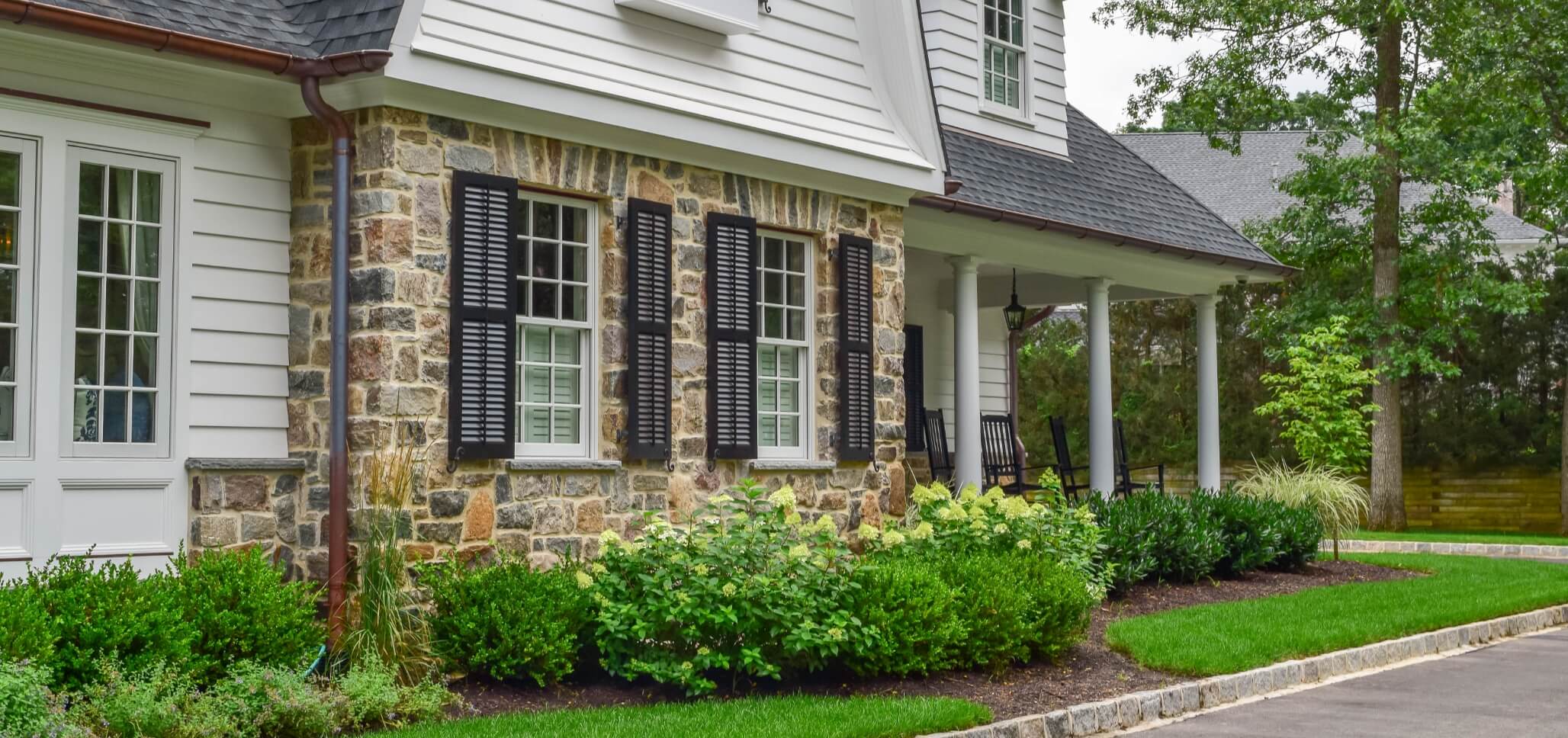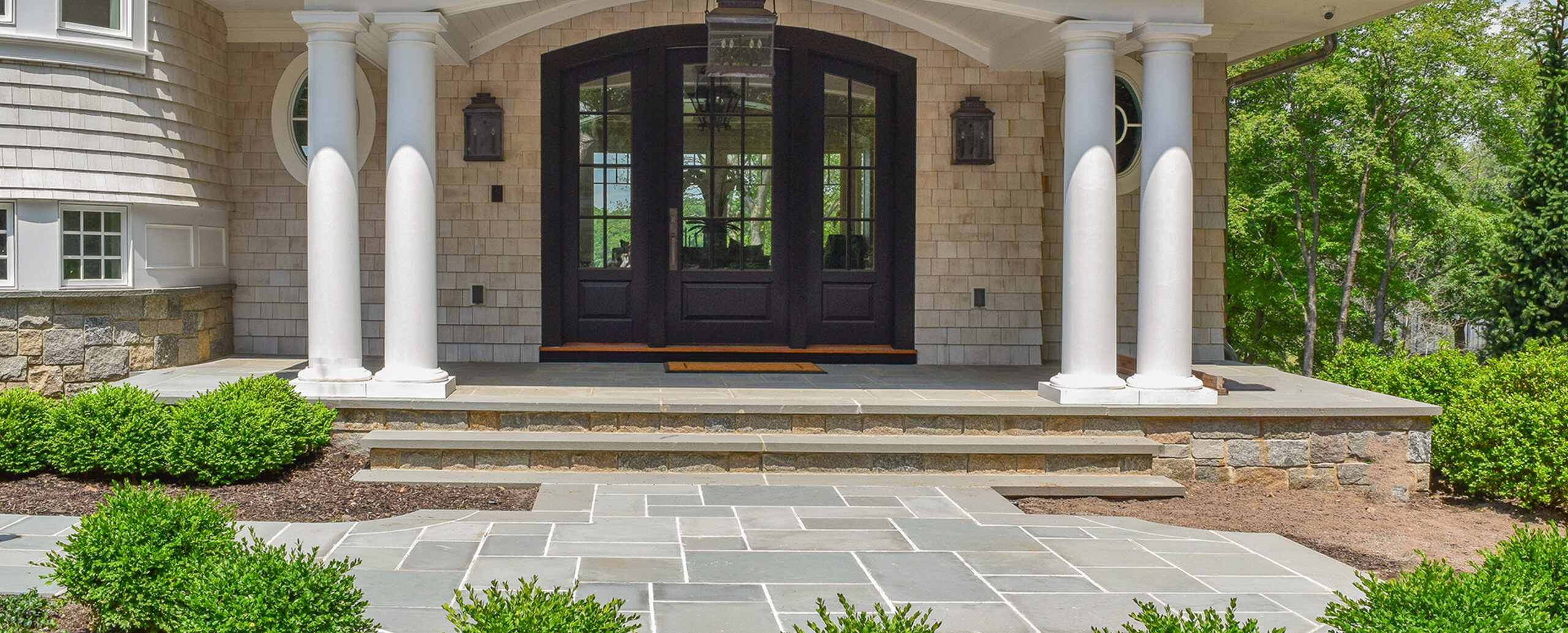

Your front walkway plays a big role in your home’s curb appeal. It’s one of the first things guests see when they arrive, and it helps create that all-important first impression.
But what happens when the sun goes down?
Even the most beautiful natural stone or paver walkway can lose some of its charm when it’s hidden in the dark.
That’s where outdoor walkway lighting comes in.
The right lighting can completely transform your home’s entrance, highlighting your landscaping, showcasing your hardscape materials, and creating a warm, welcoming atmosphere.
And it’s not just about appearance. Thoughtfully placed lighting can also make it easier to navigate your walkway, especially when there are steps, curves, or changes in elevation.
Whether you’re installing a brand-new walkway or upgrading your existing entrance, here are some walkway lighting ideas that can make your home look just as beautiful at night as it does during the day.
1. Line Your Walkway with Classic Path Lights
Sometimes, the simplest lighting ideas make the biggest impact.
Path lights are one of the most popular options for illuminating front walkways because they’re versatile, attractive, and available in a variety of styles.
These fixtures are typically installed along the edges of a walkway, casting light onto the walking surface and surrounding landscaping.
For a traditional home, consider classic lantern-inspired fixtures in black or bronze finishes.
For a contemporary entrance, minimalist path lights with clean lines can complement modern pavers and architectural details.
You can also choose fixtures with downward-facing light sources to create a softer appearance and reduce unnecessary glare.
When positioning path lights, avoid placing them too close together.
A carefully spaced arrangement can provide useful illumination without making your walkway look like an airport runway.
Design Tip: Try staggering path lights along opposite sides of your walkway rather than placing them in perfectly matched rows. This can create a more natural appearance while helping distribute light across the path.
2. Highlight Natural Stone Walkways with Soft Accent Lighting
If you’ve invested in a beautiful natural stone walkway, lighting is a great way to showcase its texture and character.
Materials like bluestone feature natural color variations and surface details that can become especially attractive under carefully positioned lighting.
For example, low-voltage landscape lights placed alongside a bluestone walkway can create subtle highlights and shadows across the stone.
This can add depth to the entrance without overpowering the overall design.
If your walkway includes natural stone steps or decorative stone borders, lighting can also draw attention to those features.
The key is choosing fixtures that illuminate the walking surface while complementing the stone’s natural appearance.
Warm white lighting can create an inviting atmosphere, particularly when paired with traditional landscaping and natural materials.
Design Tip: Use lighting to highlight the walkway’s texture without directing bright beams toward visitors’ eyes.
3. Incorporate Recessed Lighting for a Modern Entrance
If you prefer a clean, contemporary look, recessed lighting may be worth considering.
Unlike traditional path lights, recessed fixtures can be integrated into certain hardscape features, depending on the product and installation requirements.
For example, appropriately rated fixtures may be installed along the edges of a walkway or incorporated into compatible paving and landscape systems.
This approach can create a subtle lighting effect without introducing prominent fixtures above the ground.
Recessed lighting works particularly well with modern walkway designs featuring large-format concrete or porcelain pavers.
It can also complement homes with minimalist landscaping and simple architectural lines.
However, recessed fixtures must be selected carefully.
Products should be rated for the intended outdoor location and any expected foot traffic or other loads.
Water management, electrical connections, accessibility for maintenance, and compatibility with the paving system should all be considered during installation.
Design Tip: If you’re planning a new walkway, discuss lighting placement with your contractor before installation begins. Coordinating the hardscape and lighting plans can help avoid unnecessary changes later.
4. Illuminate Walkway Steps for Safety and Style
If your front entrance includes outdoor steps, lighting should be a priority.
Steps can become difficult to see after dark, especially when the surrounding walkway and landscaping are poorly illuminated.
Adding lighting can help make changes in elevation more visible while enhancing the appearance of your entrance.
For example, step lights may be incorporated into compatible risers, adjacent walls, or other suitable locations.
Low-profile fixtures can provide illumination without distracting from the overall design.
If your walkway features natural stone steps, warm lighting can highlight the stone’s texture and create a welcoming appearance.
For contemporary homes, discreet fixtures can complement clean-lined concrete steps and modern pavers.
It’s important to provide consistent visibility across the steps rather than creating isolated bright spots surrounded by darkness.
Lighting should also be positioned to minimize glare and avoid confusing shadows.
Design Tip: Coordinate your step lighting with nearby pathway fixtures to create a consistent appearance from the sidewalk or driveway to your front door.
5. Use Landscape Lighting to Frame Your Walkway
Walkway lighting doesn’t always need to focus directly on the path itself.
Sometimes, illuminating the surrounding landscaping can create an equally beautiful effect.
For example, accent lighting can highlight ornamental trees, shrubs, garden beds, or decorative stone features near your walkway.
This can add depth to your front yard while creating a more inviting entrance.
If your walkway curves through a landscaped garden, strategically placed lights can help emphasize the shape of the path.
You might also illuminate a decorative retaining wall or natural stone feature to create an attractive focal point.
However, landscape accent lighting should complement rather than replace adequate walkway illumination.
A brightly lit tree may look beautiful, but it won’t necessarily make nearby steps or uneven surfaces easier to see.
Design Tip: Choose a few key landscape features to highlight rather than illuminating every plant or garden bed. This creates a more balanced, intentional design.
6. Add Lighting to Walkway Borders and Retaining Walls
If your front walkway includes decorative borders, raised garden beds, or low retaining walls, these features can provide additional lighting opportunities.
For example, compatible wall-mounted fixtures may be incorporated into a landscape wall beside the walkway.
Certain hardscape lighting systems can also be installed beneath appropriately designed wall caps, creating a subtle downward glow.
This approach can help illuminate the walkway while drawing attention to the surrounding masonry.
For a cohesive appearance, consider coordinating the wall materials with your walkway pavers.
A concrete paver walkway paired with matching landscape wall blocks can create a polished, unified entrance.
Natural stone walls and bluestone walkways can also work beautifully together.
When planning integrated lighting, make sure the selected fixtures and installation methods are compatible with the wall system.
Structural components shouldn’t be modified without appropriate approval, and all electrical work should comply with applicable requirements.
Design Tip: If you’re incorporating lighting into a new retaining wall or landscape wall, plan the wiring and fixture locations before construction begins.
7. Create a Welcoming Glow Around Your Front Door
Your walkway should lead visitors naturally toward your front entrance.
That’s why lighting around the front door is just as important as lighting along the path.
Wall-mounted lanterns, porch lights, and other architectural fixtures can create an inviting focal point at the end of the walkway.
For example, traditional lantern-style fixtures can complement a natural stone walkway and classic brick home.
Modern sconces with clean lines can pair beautifully with large-format concrete pavers and contemporary landscaping.
The goal is to create a smooth visual transition from the walkway to the entrance.
Avoid using an extremely bright porch light that makes the surrounding walkway appear dark by comparison.
Instead, balance the lighting throughout the space.
You can also coordinate fixture finishes for a more cohesive appearance.
Design Tip: Choose front entrance lighting that complements your walkway fixtures, house numbers, door hardware, and other exterior details.
8. Consider Smart and Motion-Activated Walkway Lighting
If you’re looking for a convenient way to manage your outdoor lighting, smart controls and motion-activated fixtures may be worth exploring.
Smart lighting systems can allow homeowners to schedule their walkway lights or adjust certain settings.
For example, you might program your pathway lights to turn on around sunset and switch off later in the evening.
Motion-activated lighting can also be useful near driveways, side entrances, or other areas where illumination is needed intermittently.
Some homeowners prefer a combination of both.
Low-level pathway lighting can provide consistent visibility, while motion-activated fixtures add illumination when someone approaches.
When choosing smart lighting, consider the system’s compatibility with your fixtures, electrical setup, and outdoor environment.
Design Tip: Use timers or automatic controls to keep your entrance welcoming without leaving unnecessary lights on throughout the night.
How to Choose the Right Lighting for Your Walkway
With so many walkway lighting options available, how do you decide which ones are right for your home?
Start by considering your walkway’s layout.
A straight walkway may benefit from evenly distributed path lights, while a curved walkway might require more thoughtful placement to illuminate turns.
If your entrance includes steps, make sure changes in elevation are clearly visible.
You’ll also want to think about your home’s architectural style.
Traditional homes may look beautiful with lantern-inspired fixtures, while contemporary homes often pair well with minimalist lighting.
Consider the color and texture of your walkway materials, too.
Natural stone, concrete pavers, and porcelain pavers can reflect light differently depending on their colors and surface finishes.
Testing lighting placement before final installation can help you understand how the materials will look after dark.
Finally, remember that brighter isn’t always better.
A welcoming entrance typically benefits from balanced illumination, comfortable visibility, and minimal glare.
What Color Temperature Is Best for Walkway Lighting?
Color temperature can have a big impact on how your walkway looks at night.
It’s measured in Kelvin, and different temperatures create different lighting effects.
Warm white lighting, often around 2700K to 3000K, can create a soft, inviting atmosphere.
This is a popular design choice for residential walkways because it complements many natural stone, concrete, and landscape materials.
Cooler white lighting creates a different appearance and may be appropriate for certain contemporary designs or specific functional needs.
However, mixing several noticeably different color temperatures throughout a small front entrance can make the space feel disconnected.
For a cohesive appearance, consider using a consistent color temperature across your walkway, steps, and front entrance fixtures.
Should You Install Walkway Lighting Before or After Your Pavers?
If you’re planning a new paver walkway, it’s usually best to consider lighting during the initial design process.
This allows your hardscape contractor and lighting professional to coordinate fixture placement, wiring routes, and any required installation components.
For example, integrated lighting may require specific provisions within a wall, step, or paving system.
Planning ahead can help avoid unnecessary removal or modification of finished hardscape materials.
However, that doesn’t mean you can’t add lighting to an existing walkway.
Many above-ground path lights and landscape fixtures can be installed alongside an existing path without rebuilding it.
The best approach depends on the lighting system, site conditions, and available electrical infrastructure.
For permanent electrical installations, work with qualified professionals and follow applicable codes.
How to Coordinate Walkway Lighting with Your Hardscape Design
The best front entrances feel cohesive from the driveway to the front door.
Your walkway lighting should support that overall design rather than compete with it.
Start by choosing walkway materials that complement your home’s exterior.
For example, a bluestone walkway can create a timeless appearance alongside brick, natural stone, or traditional siding.
Concrete pavers offer a wide range of colors and textures that can coordinate with both modern and traditional homes.
Outdoor-rated porcelain pavers can also create a clean, contemporary look when appropriate for the application.
Once you’ve selected your walkway materials, choose lighting fixtures that complement their appearance.
Dark metal fixtures can create contrast against light-colored pavers, while understated finishes can blend into surrounding landscaping.
You can also repeat similar lighting styles around nearby retaining walls, outdoor steps, and garden beds.
The goal is to create a front entrance where every feature feels thoughtfully connected.
What Should New Jersey Homeowners Consider?
For homeowners in Northern New Jersey, walkway lighting needs to withstand changing seasonal conditions.
Rain, snow, freezing temperatures, and moisture exposure can affect outdoor fixtures and electrical components.
Choose lighting products rated for their intended outdoor locations and exposure conditions.
If you’re installing lighting alongside a new walkway, make sure the design doesn’t interfere with drainage or proper paver installation.
Snow removal is another consideration.
Fixtures positioned too close to the walkway or installed at vulnerable heights may be more susceptible to accidental damage from shovels or snow-removal equipment.
A thoughtful lighting plan should account for year-round use, not just warm summer evenings.
Create a Beautiful Front Entrance with Braen Supply
A well-designed walkway can make your home feel more welcoming before guests even reach the front door.
And with the right outdoor lighting, you can highlight your favorite hardscape features while creating a beautiful entrance after dark.
Whether you prefer a timeless bluestone walkway, modern concrete pavers, or a natural stone-inspired design, the materials you choose can help establish the overall look of your front yard.
At Braen Supply, we offer a wide selection of concrete pavers, porcelain pavers, natural stone, bluestone, steps, wall materials, and other hardscape products to help homeowners create beautiful outdoor spaces.
Visit one of our showrooms to explore different walkway materials, colors, and textures in person. Our team can help you find products that complement your home’s exterior and the lighting design you have in mind.
Frequently Asked Questions About Walkway Lighting
1. What is the best lighting for a front walkway?
Path lights, step lights, and carefully positioned landscape fixtures are popular options for front walkways. The best choice depends on the walkway’s layout, surrounding landscaping, and lighting needs. A combination of fixtures often provides more balanced illumination than relying on one type alone.
2. How far apart should walkway lights be placed?
There’s no universal spacing that works for every walkway. Fixture height, brightness, beam spread, walkway width, and surrounding conditions all influence placement. A lighting professional can help determine appropriate spacing, and testing fixture positions before installation can improve the final result.
3. What color lighting is best for a front walkway?
Warm white lighting, typically around 2700K to 3000K, is a popular choice for residential walkways because it creates an inviting appearance. However, the ideal color temperature depends on your home’s architecture, hardscape materials, and personal preferences.
4. Can you add lighting to an existing paver walkway?
Yes. Many pathway and landscape lighting systems can be installed alongside an existing walkway. Integrated lighting may require additional work or modifications to compatible hardscape features. The best installation method depends on the fixture type and existing conditions.
5. Is solar or wired lighting better for walkways?
Both have advantages. Solar lights can be convenient where adequate sunlight is available and electrical installation is impractical. Wired systems may provide more consistent illumination and greater design flexibility, depending on the equipment. For important walking routes and steps, choose a system that provides reliable visibility under expected conditions.