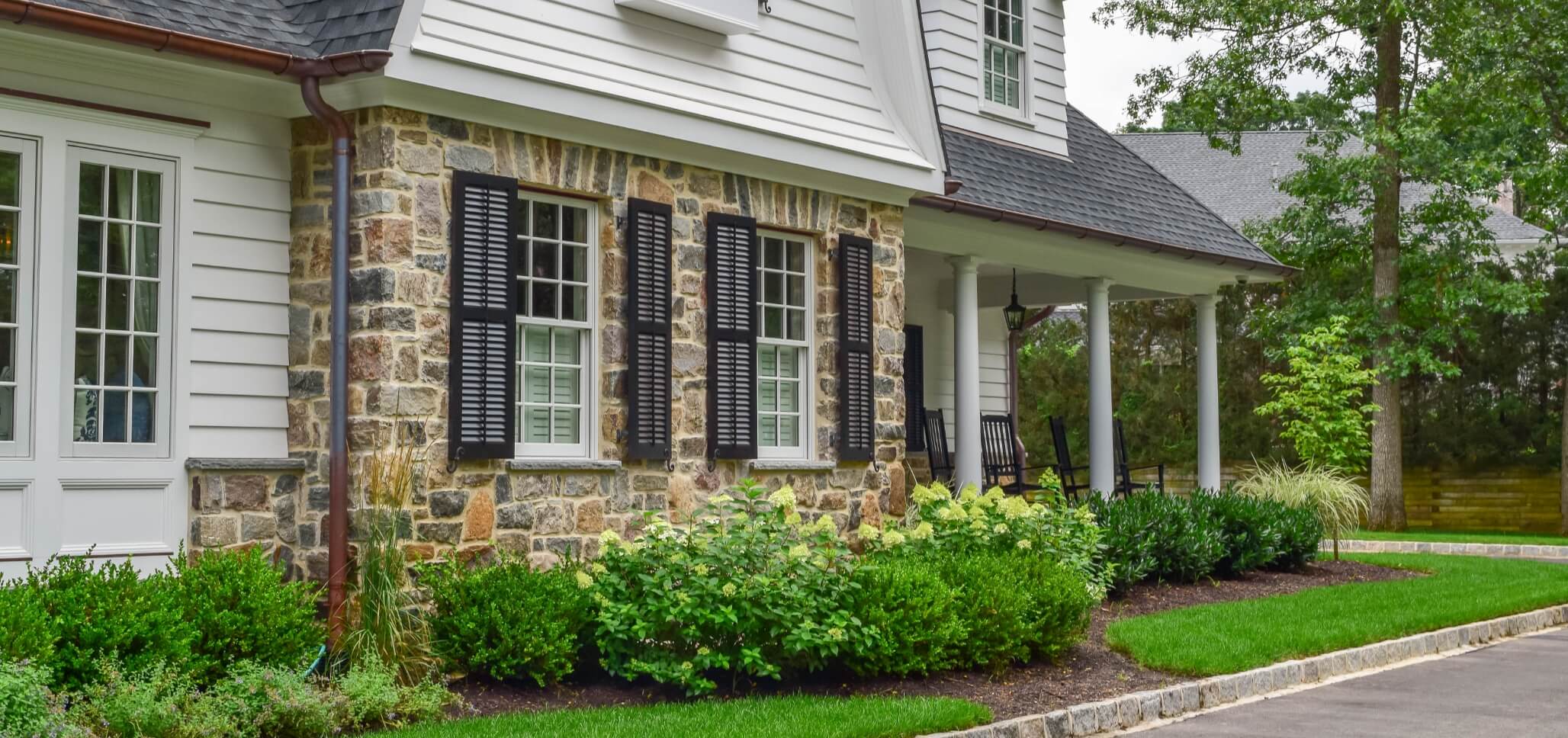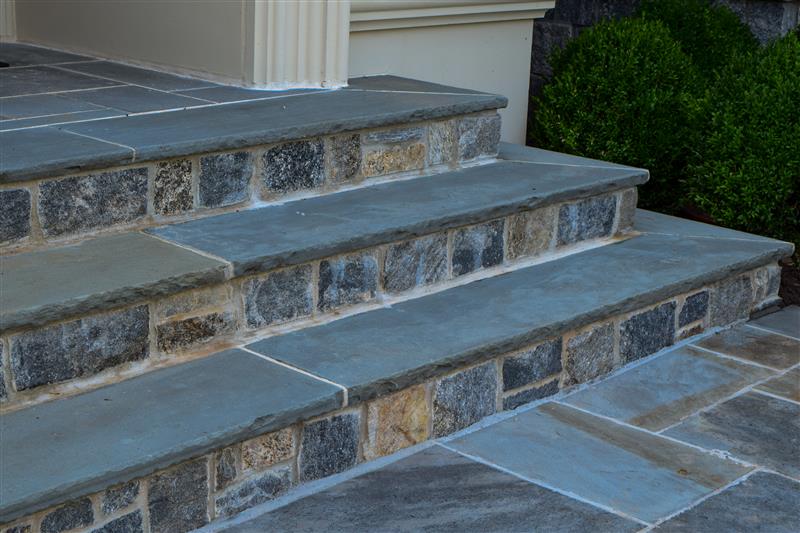
Natural stone has been used in landscapes and architecture for generations, and for good reason. Its durability, natural variation, and timeless appearance make it an excellent choice for patios, walkways, steps, pool surrounds, wall caps, garden paths, and other outdoor features.
Unlike manufactured materials, every piece of natural stone is unique. Differences in color, texture, veining, mineral content, and surface characteristics are all part of what gives the material its character.
Getting the most out of natural stone, however, starts with selecting the right material for the application and properly preparing for installation. Once the project is complete, routine maintenance and appropriate cleaning can help preserve its appearance and performance.
Whether you are planning a new natural stone project or caring for an existing installation, here are some important things to know.
Choose the Right Natural Stone for Your Project
Natural stone is not one single material.
Different types of stone have different densities, absorption rates, textures, finishes, and performance characteristics. A stone that works beautifully for one application may not necessarily be the best option for another.
Before making your selection, consider where the stone will be installed and how the area will be used.
Will it be exposed to regular foot traffic? Is it being installed around a pool? Will it experience vehicle traffic? Is it intended for steps, a patio, coping, or a decorative application?
For outdoor projects in Northern New Jersey, climate is another important consideration. Materials should be appropriate for exterior use and local freeze-thaw conditions.
Discussing the application with your supplier, contractor, or landscape professional can help narrow down the appropriate options.
See Natural Stone in Person
Natural stone is particularly difficult to select from a photograph or small online sample.
Lighting, photography, computer screens, and whether the stone is wet or dry can all influence how its color appears.
Visiting a showroom or stone yard allows you to see the material’s true colors, textures, and variations.
It also gives you an opportunity to compare stone with other materials planned for the project, such as pavers, stone veneer, siding, retaining walls, or outdoor kitchen materials.
Seeing these products together can help you create a more cohesive overall design.
Expect Natural Variation
Variation is one of the defining characteristics of natural stone.
Depending on the material, individual pieces may differ in color, pattern, texture, veining, thickness, or mineral content. Some stones offer relatively consistent coloring, while others can have significant variation from piece to piece.
This should be understood before placing an order.
Natural characteristics are not necessarily imperfections. In many cases, they are precisely what gives a natural stone installation its depth and character.
During installation, your contractor may blend stone from different pallets or sections of the order to distribute colors and variations throughout the project.
Plan Your Layout
The dimensions, pattern, and orientation of the stone can have a major impact on the finished appearance.
Dimensional stone can create a more structured look, while irregular stone may provide a more natural, organic character.
Consider the scale of the area as well.
A large-format stone may create a clean, expansive appearance across a patio, while smaller pieces or more varied patterns can introduce additional texture.
The layout should also account for transitions into lawns, paver patios, walkways, pools, steps, walls, and other landscape features.
Planning these relationships before installation can create a much cleaner finished result.
Order Enough Material
Cuts, pattern requirements, natural variation, and jobsite conditions can all influence the amount of natural stone required.
Your contractor should confirm the final quantities based on the installation method and project design.
Ordering additional material may be appropriate to account for cuts and other project-specific needs.
It can also be beneficial to keep some leftover stone after the installation is finished.
Because natural materials can vary between shipments and quarries, finding an exact match years later may be difficult. Having several original pieces available can be useful if a repair or modification is ever necessary.
Prepare the Site Properly
A beautiful stone surface is only as successful as the installation underneath it.
The site may need to be excavated and prepared with an appropriate base or setting system depending on the stone, application, and installation method.
Proper preparation can help provide stability and reduce the likelihood of movement or uneven areas over time.
This becomes particularly important in Northern New Jersey, where seasonal freeze-thaw cycles can put additional stress on outdoor installations.
The specific base, depth, setting materials, and installation techniques should be determined by an experienced contractor based on the project and site conditions.
Plan for Proper Drainage
Water management is one of the most important considerations for outdoor natural stone.
The finished installation should be designed so water drains appropriately rather than consistently collecting on or beneath the surface. Water that penetrates vulnerable areas and repeatedly freezes and thaws can contribute to deterioration of outdoor stone and its installation.
Before installation begins, consider existing slopes, downspouts, retaining walls, drainage systems, and other areas where water travels through the property.
If you already have standing water or drainage problems, address those concerns as part of the project rather than assuming a new stone surface will correct them.
Consider the Joints
The spaces between pieces of natural stone are another important part of the installation.
Depending on the project, joints may use mortar, sand, polymeric material, or another system appropriate for the stone and installation method.
Joint width and color can also affect the overall appearance.
Discuss these details with your installer before work begins so the jointing system supports both the desired aesthetic and the technical requirements of the project.
Once your natural stone is installed, proper maintenance is relatively straightforward.
Sweep and Remove Debris Regularly
Routine maintenance starts with keeping the surface clean.
Leaves, dirt, twigs, pollen, and other organic material can collect on patios, walkways, and steps. If left wet against the stone for extended periods, organic debris can contribute to staining and biological growth.
Sweep or blow off your natural stone regularly, particularly during the fall when leaves accumulate quickly.
Keeping the surface clear also makes it easier to notice changes in joints, drainage, or individual stones.
Clean Spills Promptly
Outdoor spaces are meant to be used, so spills are inevitable.
Food, grease, beverages, sunscreen, and other materials should be addressed promptly rather than allowing them to remain on the stone.
Natural stones vary in porosity, which means some materials may absorb liquids more readily than others.
Blot spills when appropriate and use a cleaning method recommended for your specific type of stone.
The sooner you address a spill, the better chance you have of preventing it from becoming a more difficult stain.
Use Stone-Safe Cleaning Products
Avoid assuming that any outdoor cleaner is safe for natural stone.
Different stones can react differently to chemicals. Acidic cleaners such as vinegar can etch acid-sensitive stones, while other aggressive chemicals may alter the surface or finish. Stone-specific, pH-neutral cleaners are generally a safer starting point for routine care.
Always check the recommendations for your specific stone and cleaning product.
When trying a new cleaner, test it on a spare piece or small, inconspicuous area first.
Be Careful With Power Washing
A pressure washer can make quick work of an outdoor cleaning project, but excessive pressure can also create problems.
Aggressive pressure washing may affect softer stone surfaces, joints, mortar, or sealers.
If pressure washing is appropriate for your particular stone, use a controlled approach rather than concentrating high pressure in one area.
When in doubt, start with water, an appropriate stone cleaner, and a soft or suitable bristle brush before moving to more aggressive cleaning methods.
Address Moss and Algae
Shaded, damp areas can occasionally develop moss, algae, or other organic growth.
Keeping the surface clear of leaves and improving drainage can help reduce the conditions that encourage this growth.
If cleaning is necessary, select a treatment specifically appropriate for your type of natural stone.
Repeated growth in the same location may indicate a larger moisture or drainage issue. In that case, addressing the underlying condition can be more effective than repeatedly cleaning the surface.
Think Carefully About Sealing
Does natural stone need to be sealed?
The answer depends on the stone.
The type of material, porosity, finish, location, exposure to staining, and installation should all be considered before applying a sealer. In some applications, sealing can provide useful stain resistance; in others, leaving the stone untreated may be appropriate. Some topical exterior sealers can also affect appearance or trap moisture.
Never assume that every natural stone surface needs the same sealer or maintenance schedule.
If sealing is recommended for your installation, use a product specifically designed for your stone and exterior application. Test it before applying it across the entire project, particularly if you are concerned about changes in color or sheen.
Inspect Your Joints
Periodically inspect the joints between stones.
Look for missing joint material, cracking, washout, or areas where individual stones have started moving.
Problems with joints can allow more water to reach the base and may eventually contribute to movement within the installation.
Small maintenance issues are generally easier to address when they are discovered early.
If you notice widespread movement, cracking, or recurring joint failure, have the installation evaluated by a qualified professional.
Remove Leaves Before They Stain
Fall is an especially important season for natural stone maintenance.
Wet leaves and other organic material left on the surface for extended periods can cause staining, particularly on more porous stones.
Regularly sweep or blow leaves away rather than waiting until the end of the season for one major cleanup.
Pay particular attention to corners, steps, shaded areas, and spaces beneath furniture where wet leaves may remain unnoticed.
Be Careful With Rock Salt and Deicers
Winter maintenance requires extra care.
Traditional rock salt and other deicing chemicals can be hard on certain natural stone and masonry surfaces. Salt exposure can contribute to staining, deterioration, or surface damage depending on the stone and conditions.
Before applying any deicing product, confirm that it is appropriate for your particular natural stone.
Avoid unnecessary overapplication, and clean away salt residue when weather conditions allow.
Remember that salt can also reach natural stone indirectly from shoes, nearby roads, driveways, and piles of snow.
Use Care When Removing Snow
When shoveling natural stone patios, steps, or walkways, avoid aggressively striking or scraping the surface.
Plastic-edged or otherwise stone-safe snow-removal tools can reduce the chance of scratches and chips compared with sharp metal edges.
Be particularly careful around raised edges, steps, coping, and transitions between different materials.
Once spring arrives, inspect the area for movement or changes that may have developed over the winter.
Give Your Stone a Spring Inspection
Spring is an ideal time to evaluate your natural stone after winter.
Clear away remaining debris and winter grime, then inspect the surface, joints, edges, and drainage.
Look for stones that have shifted, settled, cracked, or become loose. Also pay attention to areas where water is collecting.
If salt or deicing materials were used nearby during winter, spring cleaning is a good opportunity to remove remaining residue.
Addressing minor issues early can help prevent them from developing into larger repairs.
Allow Natural Stone to Age Naturally
Natural stone will not necessarily look exactly the same ten or twenty years after installation—and that is part of its appeal.
Exposure to weather, sunlight, foot traffic, and the surrounding landscape can gradually influence its appearance.
Rather than trying to keep every piece looking brand new, maintenance should focus on keeping the installation clean, functional, and properly cared for while allowing the stone to develop natural character over time.
Enjoy the Timeless Character of Natural Stone
Natural stone can become one of the most distinctive elements within an outdoor space.
Whether it is used for a patio, walkway, steps, pool surround, wall caps, or another landscape feature, each installation has its own combination of colors, textures, and natural variations.
The key to getting the most from the material begins before installation.
Choose a stone appropriate for the application, see the material in person, understand its natural variation, order an appropriate quantity, prepare the site correctly, and plan for drainage.
Once installed, routine care can be relatively simple: keep the surface free of debris, address spills promptly, use stone-appropriate cleaning methods, inspect joints and drainage, and take extra care during winter.
With thoughtful planning and proper maintenance, natural stone can continue to add character and functionality to an outdoor space for years to come.
Braen Supply can help homeowners, contractors, and landscape professionals explore natural stone options for patios, walkways, steps, pool areas, and other outdoor projects. Visit one of our Northern New Jersey showrooms to compare stone in person, explore colors and textures, and find complementary materials for your project.
Frequently Asked Questions About Natural Stone Installation and Maintenance
1. What should I consider before installing natural stone in my outdoor space?
Before installing natural stone, consider the type of stone, its intended use, surface texture, and how it will complement your home’s existing landscaping and hardscaping. Different natural stones have varying levels of durability, porosity, and weather resistance, so selecting a material appropriate for your climate is important. Proper site preparation, drainage, and installation methods are also essential for long-term performance. Visiting a stone supplier to compare materials in person can help you make a more informed decision.
2. What is the best way to clean outdoor natural stone?
The best way to clean outdoor natural stone is to regularly sweep away leaves, dirt, and debris and address spills as soon as possible. For routine cleaning, water and a pH-neutral cleaner specifically formulated for natural stone are generally good starting points. Avoid acidic cleaners, harsh chemicals, and aggressive pressure washing, which can damage certain stone surfaces or joints. Always follow the care recommendations for your specific stone and test new cleaning products on a small, inconspicuous area first.
3. Does outdoor natural stone need to be sealed?
Not all outdoor natural stone needs to be sealed. Whether sealing is recommended depends on the type of stone, its porosity, finish, installation location, and exposure to staining or moisture. Some sealers can provide additional stain resistance, while others may alter the stone’s natural color or appearance. Before sealing, consult your stone supplier or installer and choose a product specifically designed for your stone and exterior application.
4. How do I protect natural stone patios and walkways during winter?
Protecting natural stone during winter starts with using appropriate snow-removal tools and being cautious with deicing products. Plastic-edged shovels can help reduce the risk of scratches and chips, while certain rock salts and chemical deicers may contribute to staining or deterioration. Always confirm that a deicer is suitable for your particular stone. After winter, inspect your patio or walkway for loose stones, damaged joints, drainage problems, or other changes caused by freeze-thaw cycles.
5. How long does natural stone last, and what maintenance does it require?
Properly selected, installed, and maintained natural stone can last for decades, although longevity varies depending on the material, installation quality, climate, and use. Routine maintenance includes sweeping debris, cleaning spills promptly, inspecting joints, and addressing drainage concerns. Seasonal inspections can help identify small issues before they become larger repairs. Over time, natural stone may develop a unique patina, adding to its character and timeless appearance.