
Landscape architecture is constantly evolving. While the fundamental principles of good design remain unchanged, the priorities of homeowners and the environmental challenges we face, continue to shape how landscapes are conceived.
Across Northern New Jersey, I’ve noticed several emerging trends that are redefining residential landscape architecture as we approach 2027.
Sustainability as a Design Standard
Sustainability is no longer a niche concept in landscape architecture; it is rapidly becoming an expectation.
Modern landscape designs increasingly incorporate:
- Native plant species
- Water-efficient irrigation systems
- Permeable paving materials
- Pollinator-friendly plantings
These approaches not only reduce environmental impact but also create landscapes that require less maintenance and adapt better to regional conditions.
In practice, sustainable design is less about adding features and more about making better decisions from the outset.
Permeable Hardscape Materials
One particularly exciting development in landscape architecture is the increasing adoption of permeable hardscape systems.
Unlike traditional surfaces, permeable pavers allow water to infiltrate through the surface rather than running off into storm drains. This helps manage stormwater naturally while reducing erosion and flooding risks.
For properties in Northern New Jersey, where rainfall patterns are more intense, these systems represent both a practical and environmentally responsible solution.
Where site conditions allow, I typically view permeability not as an upgrade, but as a long-term investment in the performance of the landscape.
Outdoor Living as an Extension of the Home
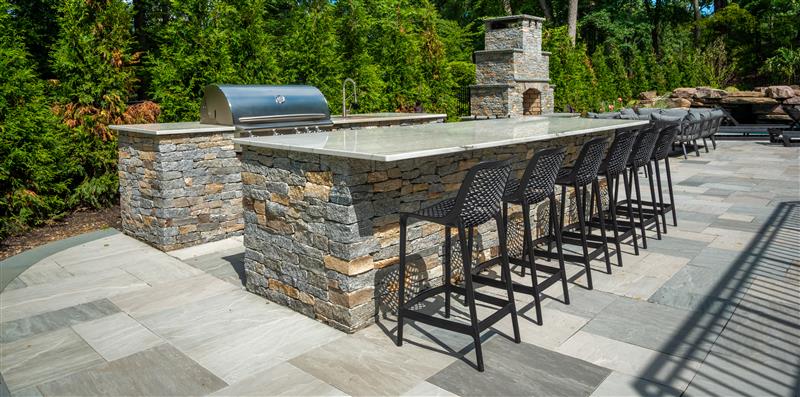
Outdoor living spaces have evolved significantly in recent years. What was once a simple patio is now often a fully integrated outdoor environment.
Many homeowners are requesting:
- Outdoor kitchens
- Covered seating areas
- Fire features
- Integrated lighting systems
These spaces allow families to enjoy their landscapes throughout more of the year.
Smart Landscape Technology
Technology is also beginning to play a larger role in landscape architecture.
Modern systems now include:
- Smart irrigation controls
- Programmable landscape lighting
- Automated weather sensors
These technologies help homeowners maintain their landscapes more efficiently while conserving water and energy. While not every project requires these systems, they can be particularly valuable for homeowners looking to reduce maintenance while improving efficiency.
As with most technology, the key is thoughtful integration, using it where it enhances the experience, not where it complicates it.
Multifunctional Landscapes
Another emerging trend is designing landscapes that serve multiple purposes.
Homeowners increasingly want outdoor spaces that support:
- Entertaining
- Relaxation
- Children’s play areas
- Gardening
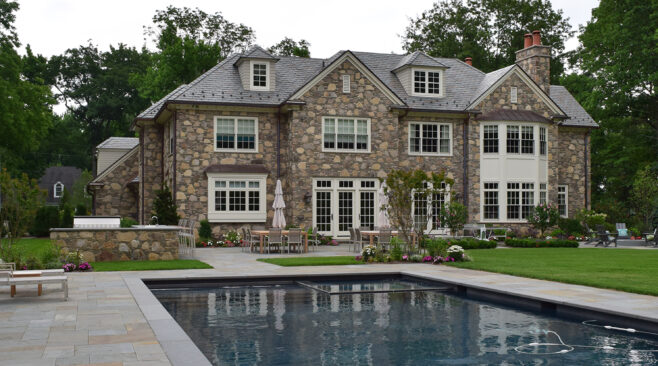
- Pools
Achieving this balance requires careful planning to ensure the space feels cohesive rather than crowded.
The Importance of Thoughtful Design
While trends come and go, good landscape architecture remains grounded in timeless design principles: balance, proportion, and harmony with the surrounding environment.
In my view, the most successful projects are those that embrace innovation while respecting these fundamentals.
When executed thoughtfully, modern landscape architecture creates outdoor environments that are not only beautiful today but resilient for the future. Working with a trusted supplier like Braen Supply can help ensure the materials you choose support that balance, both in design and long-term performance.