

As experts in landscape architecture, we understand that curb appeal is about far more than aesthetics. A thoughtfully designed landscape shapes the first impression of a property, but it also influences functionality, longevity, and ultimately, property value.
Over the course of my career, I’ve seen how well-planned landscape architecture can transform an ordinary property into something truly distinguished. Whether designing a modest suburban front yard or a sprawling estate landscape, the underlying principles remain the same: balance, structure, and durability.
For homeowners across Northern New Jersey, investing in professional landscape architecture is one of the most effective ways to elevate both appearance and long-term value.
The Role of Landscape Architecture in Curb Appeal
When most people think of curb appeal landscaping ideas, they immediately imagine lush plantings or decorative lighting. While those elements certainly play a role, professional landscape architecture begins with something more foundational: site planning.
A well-designed front yard landscape considers:
- Walkway placement and circulation
- Entryway framing and focal points
- Grading and drainage
- Hardscape materials and textures
- Plant structure and seasonal interest
The goal is not simply to decorate a home, but to create a cohesive outdoor environment that complements the architecture itself.
In many projects I’ve consulted on, the most transformative improvements begin with subtle structural changes: repositioning a walkway, introducing natural stone steps, or framing the entrance with layered plantings.
These adjustments create visual hierarchy and guide visitors naturally toward the home.
Hardscapes: The Backbone of Front Yard Design
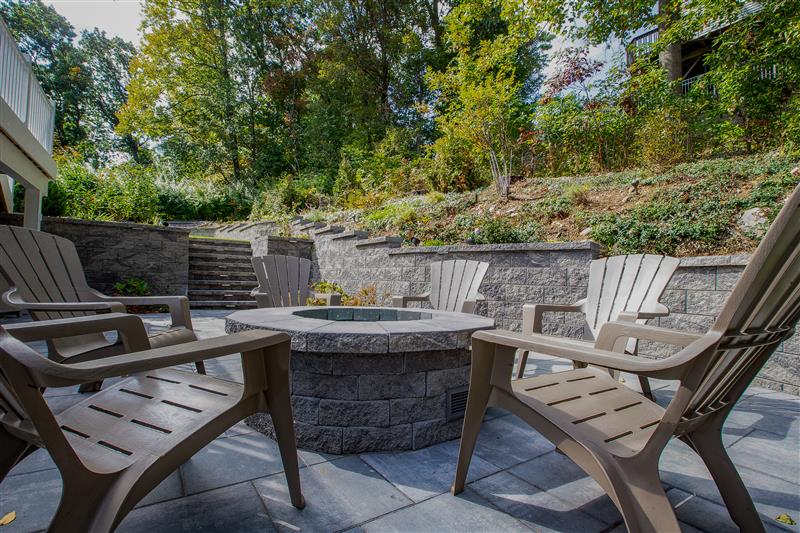
Hardscape features are often the unsung heroes of front yard landscaping. Elements like stone walkways, paver driveways, and retaining walls provide both function and permanence.
When properly designed, these features accomplish several objectives:
- Improve property accessibility
- Manage elevation changes and drainage
- Create visual structure within the landscape
- Provide long-term durability with minimal maintenance
In Northern New Jersey, where seasonal weather cycles can be demanding, choosing the right materials is essential. Freeze-thaw conditions require hardscape materials that maintain structural integrity over time.
Natural stone, high-quality pavers, and properly installed base materials all play a role in ensuring longevity.
Planting Design That Enhances Architecture
Planting design should never compete with the architecture of a home. Instead, it should complement and frame it.
Professional landscape architects often approach planting design with three layers in mind:
- Structural plantings – Trees and large shrubs that define the landscape framework.
- Seasonal interest – Perennials and ornamental grasses that add color and movement.
- Ground-level cohesion – Low plantings or groundcovers that unify the design.
In my own work, I’ve always favored plant palettes that combine visual elegance with ecological responsibility. Native plants, in particular, contribute to biodiversity while reducing long-term maintenance.
Functional Design Adds Real Property Value
While curb appeal certainly influences buyer perception, the true financial value of landscape architecture comes from functionality.
Thoughtful design addresses practical concerns that homeowners might not immediately notice, such as:
- Proper drainage and stormwater management
- Durable walkways and outdoor surfaces
- Accessible circulation around the property
- Long-term landscape sustainability
These improvements help prevent costly issues down the road—something both homeowners and prospective buyers appreciate.
The Value of Professional Planning
Ultimately, landscape architecture is about foresight. A well-designed landscape should mature gracefully over time, not require constant correction.
Professional planning ensures that materials, plantings, and grading all work together harmoniously.
For homeowners considering front yard landscaping improvements in areas such as Wanaque, Haledon, or Randolph, partnering with experienced designers and quality material suppliers can make a remarkable difference in both appearance and long-term performance.
A landscape that is thoughtfully designed today will continue adding beauty and value to a property for decades to come.