
Your walkway is more than just a path from one place to another. It’s one of the first features guests notice when approaching your home, and it plays an important role in how your landscape looks, feels, and functions.
Whether you’re creating a welcoming front entrance, connecting your patio to the backyard, or designing a garden pathway, the right walkway can completely transform your outdoor space.
As we look ahead to 2027, walkway design is expected to embrace natural materials, modern layouts, sustainable solutions, and thoughtful details that enhance the overall landscape.
From oversized pavers to creative patterns and integrated lighting, here are some of the top walkway design ideas to consider for your next outdoor project.
Large-Format Pavers Create a Modern Look
One of the standout walkway design directions for 2027 is the use of large-format pavers.
These oversized pieces create a clean, contemporary appearance with fewer visible joints, making them particularly appealing for modern homes.
Large-format pavers can also make a narrow walkway feel more open and visually streamlined.
Homeowners can choose from a variety of colors, textures, and finishes to complement their home’s architecture. Soft grays, warm neutrals, and natural stone-inspired finishes are especially versatile.
For a cohesive design, consider carrying the same paver collection from your front walkway into nearby patios or entryways.
Natural Stone Walkways Offer Timeless Appeal
Natural stone continues to be a favorite for homeowners who want their landscapes to feel authentic and inviting.
Bluestone, flagstone, and other natural stone materials introduce unique textures, organic color variations, and character that manufactured materials aim to replicate.
For 2027, natural stone walkways are expected to remain popular in both traditional and contemporary landscape designs.
Irregular flagstone can create a relaxed garden pathway, while rectangular bluestone pieces can produce a more structured and sophisticated appearance.
Pairing natural stone with complementary landscaping can create a walkway that feels naturally connected to its surroundings.
Mixed-Material Walkways Add Visual Interest
Why limit your walkway to one material?
Mixing materials is an effective way to introduce contrast, texture, and personality into an outdoor design.
Homeowners may combine concrete pavers with decorative gravel, natural stone with grass, or porcelain pavers with contrasting borders.
These combinations can help define different areas of a walkway or create a custom look that complements the rest of the property.
For example, large stepping stones surrounded by decorative gravel can create a modern garden pathway, while a paver walkway with a contrasting border can add a more formal touch to a front entrance.
The key is choosing materials that complement each other while remaining appropriate for the walkway’s intended use.
Warm, Earthy Colors Take Center Stage
While cool gray tones have remained popular in hardscape design, warmer and more natural color palettes are expected to play a larger role in 2027.
Think soft beige, taupe, sandstone, warm gray, and earthy brown.
These colors create a welcoming appearance and pair beautifully with natural landscaping, wood accents, and a variety of home exteriors.
For homeowners who prefer a more contemporary look, charcoal and darker gray accents can provide contrast without overwhelming the design.
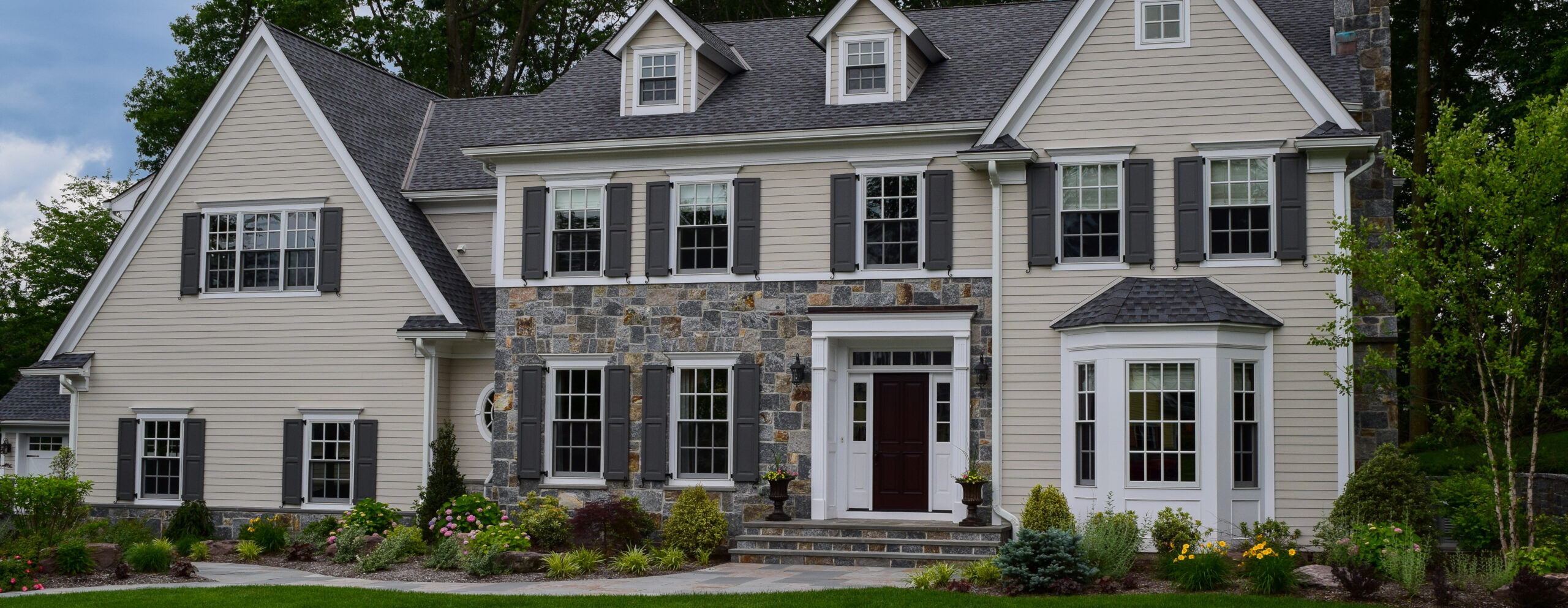
When selecting walkway colors, consider your home’s siding, roofing, stone veneer, and nearby hardscape materials to create a cohesive overall appearance.
Stepping Stone Walkways Bring a Relaxed Feel
Not every walkway needs to be a continuous paved surface.
Stepping stone pathways are an attractive option for gardens, side yards, and informal outdoor spaces.
Large natural stone or porcelain stepping stones can be arranged with decorative gravel, grass, or other suitable landscape materials between them.
This approach creates a more organic appearance and allows the walkway to blend into the surrounding environment.
For 2027, expect stepping stone designs to continue incorporating oversized pieces, simple geometric shapes, and natural textures.
Keep spacing, stability, drainage, and accessibility in mind when planning a stepping stone walkway, especially in frequently traveled areas.
Curved Walkways Create a More Natural Landscape
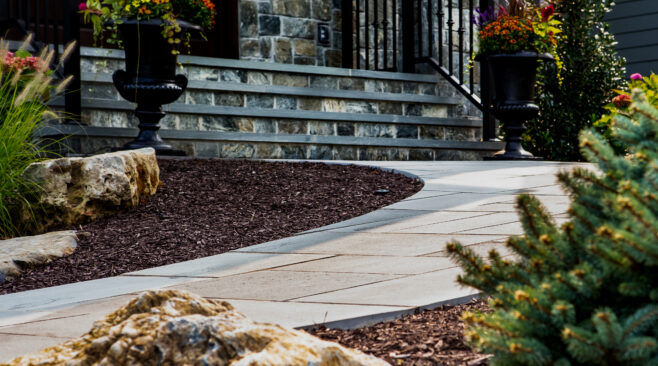
Straight walkways can provide a clean and direct route, but curved pathways introduce movement and visual interest.
Gentle curves can guide visitors through gardens, around landscaping features, or toward a backyard destination.
This design approach works especially well on properties with established planting beds, mature trees, or irregular layouts.
Curved walkways can also create opportunities for layered landscaping, decorative stone, and outdoor lighting.
Rather than adding curves simply for appearance, design the path around how people will naturally move through the space.
Permeable Pavers Support Sustainable Landscaping
Sustainability continues to influence outdoor design, and permeable pavers are an option worth considering for 2027.
Unlike traditional impervious paving, properly designed permeable paver systems allow water to move through the joints into an engineered aggregate base.
This can help manage stormwater runoff and support more environmentally conscious landscape design.
Permeable pavers are available in a variety of styles and colors, allowing homeowners to balance function with appearance.
Keep in mind that the performance of a permeable walkway depends on the entire installation system, including the base, drainage design, and ongoing maintenance.
Walkway Lighting Adds Beauty and Functionality
Lighting can transform the appearance of a walkway after sunset.
In 2027, homeowners are expected to continue incorporating subtle, integrated lighting into their landscape designs.
Low-profile path lights, recessed lighting, and strategically positioned fixtures can highlight walkway edges, steps, and nearby landscaping.
Warm lighting can create an inviting atmosphere without overpowering the outdoor environment.
Beyond appearance, well-planned lighting can also improve visibility and help guests navigate pathways more comfortably at night.
Consider lighting during the initial walkway design process so wiring and fixture placement can be coordinated with the installation.
Coordinated Borders Create a Finished Look
Borders may seem like a small detail, but they can have a significant impact on the finished walkway.
A contrasting paver border can frame the pathway, emphasize its shape, and create a more polished appearance.
For a subtle design, choose a border in a slightly darker shade of the main paver.
For a bolder look, consider contrasting colors, textures, or patterns.
Borders can also help visually connect the walkway with a driveway, patio, or front entrance.
The goal is to create a design that feels intentional rather than overly busy.
Walkways That Connect Outdoor Living Spaces
As homeowners continue to invest in outdoor living, walkways are becoming an important part of connecting different areas of the property.
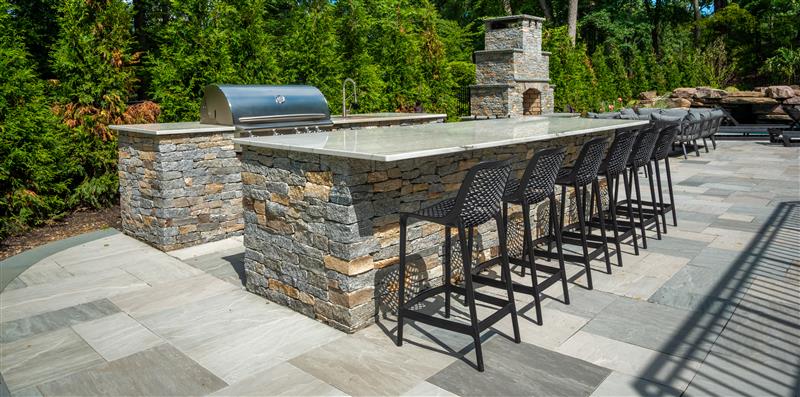
A thoughtfully designed pathway can create a natural transition between a patio, outdoor kitchen, pool deck, garden, and fire pit area.
Using complementary materials throughout these spaces can help establish visual continuity.
For example, a walkway featuring the same paver collection as the patio can make the entire backyard feel more connected.
Alternatively, using a complementary natural stone or contrasting border can help distinguish the pathway while maintaining a cohesive design.
Textured Finishes Add Depth and Character
Texture is another important consideration for walkway design.
Smooth, contemporary finishes can create a refined appearance, while tumbled, textured, and natural stone-inspired surfaces introduce additional character.
For 2027, homeowners may gravitate toward finishes that offer the visual warmth of natural materials while complementing modern outdoor spaces.
Texture also matters from a practical standpoint.
Walkways are exposed to rain, snow, and changing weather conditions, so selecting a surface appropriate for outdoor pedestrian use is essential.
Always consider the manufacturer’s recommendations and the walkway’s intended application.
Landscaping Becomes Part of the Walkway Design
A beautiful walkway should feel connected to the landscape around it.
Rather than treating plants and hardscaping as separate elements, homeowners are increasingly interested in designs that bring the two together.
Low-growing plants, ornamental grasses, flowering perennials, and decorative stone can soften the edges of a walkway and introduce seasonal interest.
For a more structured look, symmetrical planting beds can create an inviting approach to the front door.
For a relaxed garden pathway, layered greenery and natural stone can create a more organic appearance.
Be sure to choose plants that will not obstruct the walkway or interfere with the paving as they mature.
Choosing the Right Walkway Design for Your Home
While design trends can provide inspiration, the best walkway is one that complements your home and supports how you use your outdoor space.
Before selecting materials, consider the walkway’s purpose, location, expected foot traffic, drainage conditions, and maintenance requirements.
A front entrance walkway may benefit from a more formal design, while a garden pathway may allow for greater flexibility in material selection and layout.
Homeowners in Northern New Jersey should also consider seasonal freeze-thaw conditions and the importance of proper base preparation.
Working with an experienced contractor and selecting quality materials can help create a walkway that remains attractive and functional for years to come.
Bring Your 2027 Walkway Design to Life With Braen Supply
Whether you’re drawn to modern large-format pavers, timeless natural stone, or a creative mixed-material pathway, the right walkway can enhance your home’s curb appeal and connect your outdoor living spaces.
Braen Supply offers a wide selection of pavers, porcelain, natural stone, decorative gravel, and other hardscape materials to help bring your walkway design to life.
Visit one of our Northern New Jersey showrooms in Wanaque, Haledon, or Randolph to explore materials in person, compare colors and textures, and find inspiration for your next outdoor project.
Frequently Asked Questions About 2027 Walkway Design Trends
What are the biggest walkway design trends for 2027?
Walkway design trends for 2027 are expected to emphasize large-format pavers, natural stone, mixed-material layouts, and warm, earthy colors. Homeowners are also exploring permeable pavers, integrated landscape lighting, and creative stepping stone pathways. These design ideas can help create walkways that enhance curb appeal while connecting different areas of the landscape.
What is the best material for a modern walkway?
Concrete pavers, outdoor porcelain pavers, and natural stone are all excellent options for modern walkway designs. Large-format pavers can create a clean, contemporary appearance, while porcelain offers a variety of natural stone-inspired finishes. Bluestone and other natural stones can also achieve a modern look when installed in geometric patterns. The best material depends on your preferred style, budget, maintenance expectations, and installation conditions.
How can I make my front walkway more inviting?
Creating an inviting front walkway starts with choosing materials that complement your home’s architecture. Consider incorporating warm colors, contrasting borders, gentle curves, and landscape lighting. Adding plants along the walkway can soften the hardscape and create a welcoming approach to your entrance. A thoughtfully designed walkway can make a noticeable difference in your home’s overall curb appeal.
Are stepping stone walkways still popular in 2027?
Yes! Stepping stone walkways are expected to remain a popular design choice in 2027, particularly for gardens, side yards, and informal outdoor spaces. Large natural stone or porcelain stepping stones surrounded by decorative gravel or grass can create a relaxed, contemporary appearance. Proper spacing, a stable base, and appropriate drainage are important for keeping the walkway comfortable and functional.
How do I choose the right walkway design for my home?
Start by considering your home’s architectural style, the walkway’s purpose, and the surrounding landscape. Think about whether you prefer a modern, traditional, or natural appearance, and select materials that complement existing patios, driveways, and exterior finishes. You should also consider foot traffic, drainage, maintenance, and Northern New Jersey’s seasonal weather conditions. Visiting a hardscape showroom can help you compare materials and visualize how they will look together.