
Your swimming pool might be the centerpiece of your backyard, but it’s everything surrounding it that brings the entire space together.
Think about your favorite resort or beautifully designed outdoor living space. Chances are, it’s not just the pool that catches your attention. It’s the way the patio, landscaping, seating areas, and other features all seem to complement one another.
That’s what makes a backyard feel thoughtfully designed instead of like a collection of separate projects.
Whether you’re installing a brand-new swimming pool or updating an existing pool area, creating a cohesive backyard design doesn’t mean everything has to match perfectly. It’s about choosing materials, colors, and features that work together to create a natural flow throughout your outdoor space.
From coordinating pool coping and patio pavers to incorporating natural stone and landscaping, here are seven ways to create a backyard that feels connected, inviting, and uniquely yours.
1. Start with a Consistent Color Palette
One of the easiest ways to create a cohesive backyard design is to establish a color palette before choosing your materials.
Your pool patio, coping, outdoor kitchen, seating walls, and landscaping should complement one another rather than compete for attention.
A good starting point is your home’s exterior.
Look at the colors of your siding, brick, stone veneer, roofing, and trim. These existing elements can help guide your outdoor material selections.
For example, if your home features warm beige siding and natural stone accents, consider patio pavers in soft cream, tan, or warm gray tones.
If your home has a more contemporary exterior with white siding and dark trim, light gray porcelain pavers paired with charcoal accents could create a clean, modern appearance.
You don’t have to limit yourself to one color. In fact, incorporating a few complementary shades can make the space feel more interesting.
The goal is to create a palette that flows naturally from your home to your pool area.
Design Tip: Try choosing one primary color for your patio, a complementary shade for your pool coping, and one accent color for features like seating walls or borders. Repeating those colors throughout the backyard can help create a balanced appearance.
2. Coordinate Your Pool Coping and Patio Pavers
Your pool coping and patio pavers are two of the most noticeable hardscape elements in your backyard.
Because they’re positioned directly next to each other, the way they coordinate can have a big impact on the overall design.
Pool coping forms the finished edge around your swimming pool, while patio pavers create the surrounding walking and entertaining areas.
Some homeowners prefer a seamless appearance, using coping and pavers in similar colors and finishes.
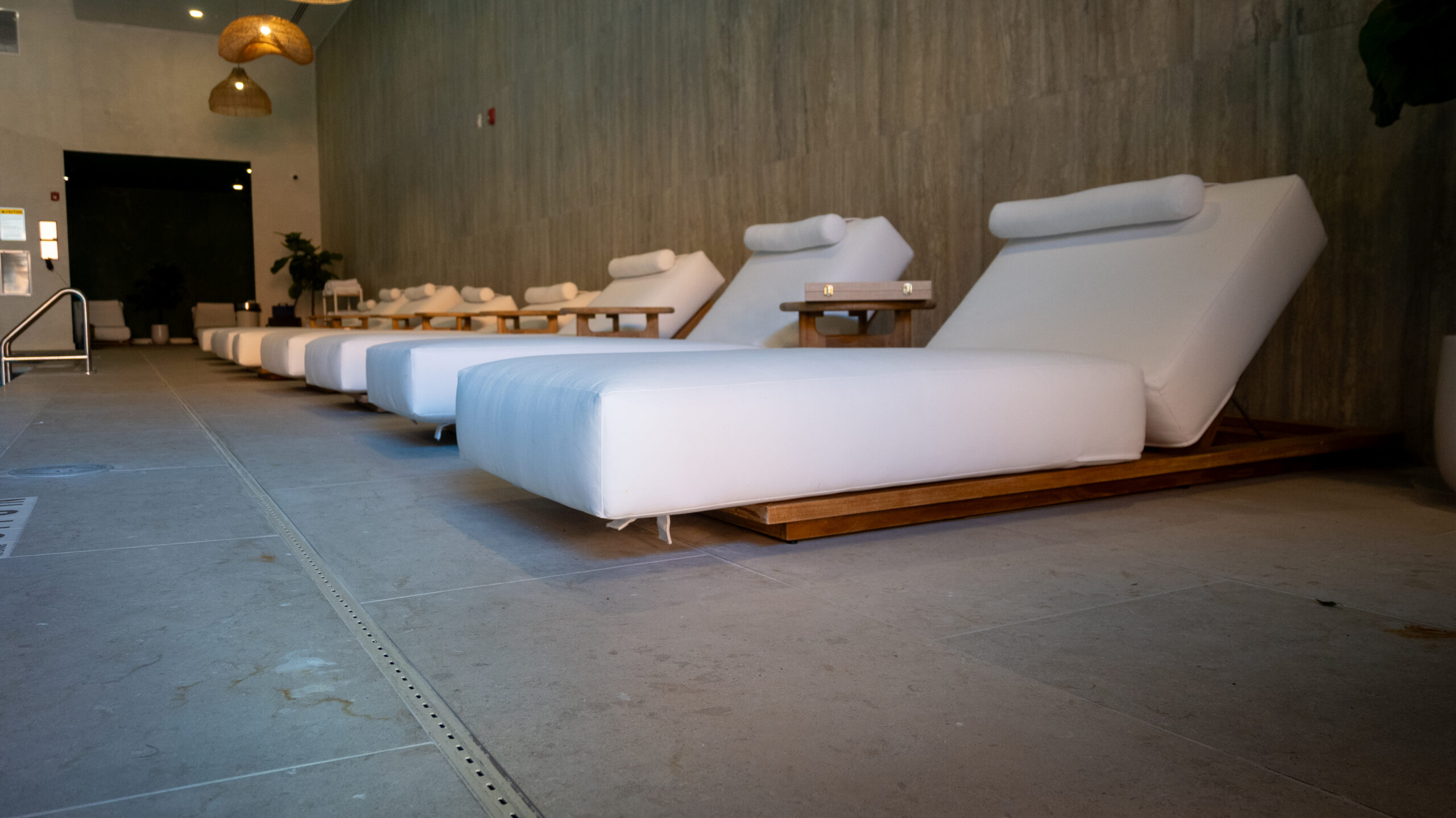
For example, a light-colored porcelain pool patio paired with coordinating coping can create a sophisticated, resort-inspired look.
Others prefer a little contrast.
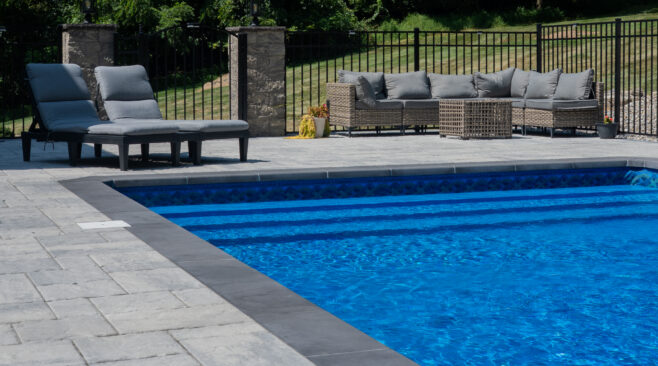
A darker coping color can define the pool’s edge and add visual interest to a lighter patio.
Natural stone coping can also complement concrete or porcelain pavers, creating a beautiful combination of materials.
The important thing is making sure the colors and textures feel intentional.
If you’re mixing materials, look for similar undertones or complementary finishes.
And remember, appearance isn’t the only consideration. Pool coping and patio materials should be appropriate for wet environments, comfortable for barefoot use, and installed according to their specific requirements.
3. Use Repeating Materials to Connect Outdoor Living Areas
If your backyard includes more than just a swimming pool, repeating certain materials can help tie everything together.
For example, imagine a backyard with a pool patio, outdoor kitchen, fire pit area, and connecting walkway.
Using completely different materials for each space can sometimes make the design feel disconnected.
Instead, consider carrying one primary hardscape material throughout the backyard.
You might use the same concrete pavers for the pool patio and outdoor dining area, then introduce a complementary pattern or border around the fire pit.
Another option is to use large-format porcelain pavers around the pool and incorporate coordinating colors into nearby steps or other hardscape features.
Natural stone can also serve as a recurring design element.
For example, if your outdoor kitchen features natural stone veneer, you could incorporate a similar stone color or texture into seating walls or decorative columns.
Repeating materials doesn’t mean every feature needs to look identical.
Small variations in patterns, textures, or accent colors can help define different areas while maintaining a cohesive appearance.
4. Create Distinct Outdoor Living Zones That Flow Together
A well-designed pool area should be beautiful, but it should also function for everyday life.
Think about how you want to use your backyard.
Do you envision hosting summer barbecues? Relaxing by the pool with a book? Enjoying dinner outdoors? Gathering around a fire pit in the evening?
Creating dedicated spaces for these activities can make your backyard more comfortable and practical.
For example, your design might include a lounging area with chaise lounges near the pool, a dining area closer to the house, and a separate seating area for evening gatherings.
The trick is making these spaces feel connected.
Using consistent patio materials can create a visual foundation throughout the backyard.
Walkways, borders, landscaping, and subtle changes in paving patterns can help define each area without making the design feel divided.
It’s also important to consider how people will move through the space.
A comfortable path from the house to the pool, outdoor kitchen, and other gathering areas can make the entire backyard feel more natural and inviting.
Avoid placing furniture or decorative features where they’ll interrupt important walking routes or required pool-deck clearances.
Design Tip: You don’t need walls or dramatic changes in elevation to create separate outdoor living zones. Sometimes a change in furniture arrangement, paver pattern, or landscaping is enough.
5. Incorporate Natural Stone for Texture and Character
A cohesive backyard doesn’t have to feature perfectly uniform materials.
In fact, introducing a little texture can make the design feel warmer and more inviting.
Natural stone is a beautiful way to add character to a pool area, especially when paired with concrete or porcelain pavers.
For example, a contemporary pool patio featuring smooth, large-format pavers can feel more welcoming when complemented by a natural stone veneer outdoor kitchen.
A traditional backyard might incorporate bluestone coping, stone steps, or natural stone accents around garden beds.
You can also use manufactured stone veneer to create a similar visual effect on suitable vertical surfaces.
The key is choosing materials that complement your overall design style.
If your patio features cool gray tones, consider stone veneer with similar undertones.
If you’re working with warm beige or tan pavers, natural stone featuring soft earth tones may help create a more cohesive appearance.
Mixing materials can make your backyard feel more custom-designed, but try to avoid introducing too many unrelated colors and textures.
A few thoughtfully selected materials often create a stronger overall design than a large assortment of competing finishes.
6. Use Landscaping to Soften and Connect Hardscape Features
Hardscape materials provide the foundation of your backyard design, but landscaping helps bring everything to life.
Plants, trees, shrubs, and garden beds can soften the appearance of pavers, stone walls, and other outdoor features.
They can also help connect different areas of your backyard.
For example, repeating the same ornamental grasses or flowering shrubs around your pool patio and outdoor seating area can create a sense of continuity.
Garden beds can also help define the edges of your patio while blending the hardscape into the surrounding lawn.
When choosing plants, consider their mature size, maintenance needs, and proximity to the pool.
Some trees and shrubs may drop leaves, flowers, or other debris into the water.
Others may have root systems that aren’t suitable for planting near certain pool structures or underground utilities.
For homeowners in Northern New Jersey, selecting plants suited to the local climate and site conditions is especially important.
You can also coordinate your landscaping materials with your hardscaping.
For example, decorative stone in garden beds may complement the colors of your patio pavers, while natural stone edging can create a more finished appearance.
The goal is to make the landscaping feel like part of the overall design rather than an afterthought.
7. Tie Everything Together with Finishing Details
Sometimes it’s the smallest design decisions that make the biggest difference.
Once you’ve selected your pool patio materials, coping, and landscaping, think about the finishing touches that can help bring the entire backyard together.
Outdoor lighting is one example.
Using a consistent lighting style throughout your pool area, walkways, and seating spaces can create a warm, welcoming atmosphere after sunset.
Furniture is another opportunity to reinforce your color palette.
If your patio features warm neutral pavers, consider outdoor furniture and cushions in complementary shades.
For a modern backyard, furniture with clean lines and coordinated finishes can help maintain a streamlined appearance.
You can also repeat certain design elements in smaller ways.
For example, the color of your outdoor kitchen countertops might complement your pool coping, or the finish of your seating wall caps might coordinate with your patio pavers.
These details don’t need to be identical.
They simply need to feel like they belong together.
For poolside lighting and electrical features, use products approved for the application and have them installed in accordance with applicable electrical and pool safety requirements.
Common Mistakes to Avoid When Designing Your Pool Area
Even beautiful materials can feel disconnected when they aren’t planned as part of a larger design.
One common mistake is choosing each backyard feature independently.
For example, you might select your pool coping first, choose patio pavers several months later, and eventually add an outdoor kitchen without considering how the materials coordinate.
While there’s nothing wrong with completing a backyard in phases, having an overall design plan can help prevent mismatched finishes.
Another mistake is using too many different materials.
A combination of natural stone, concrete pavers, porcelain, and brick can work beautifully in the right design, but too many competing colors and textures may overwhelm the space.
It’s also important not to overlook functionality.
A cohesive backyard should feel comfortable and easy to navigate, not just attractive in photographs.
Think about furniture placement, shade, drainage, walking paths, and how different areas will be used.
Finally, don’t forget to consider how materials will perform in New Jersey’s changing weather.
Pool patios and other hardscape features should be selected for their intended exterior applications, with proper attention to drainage, freeze-thaw suitability, and installation requirements.
Should Your Pool Patio Match Your Home’s Exterior?
Your pool patio doesn’t need to match your home’s exterior exactly, but it should complement it.
Think of your backyard as another living space connected to your home.
Just as you might coordinate flooring, wall colors, and furniture inside your house, you can use similar design principles outdoors.
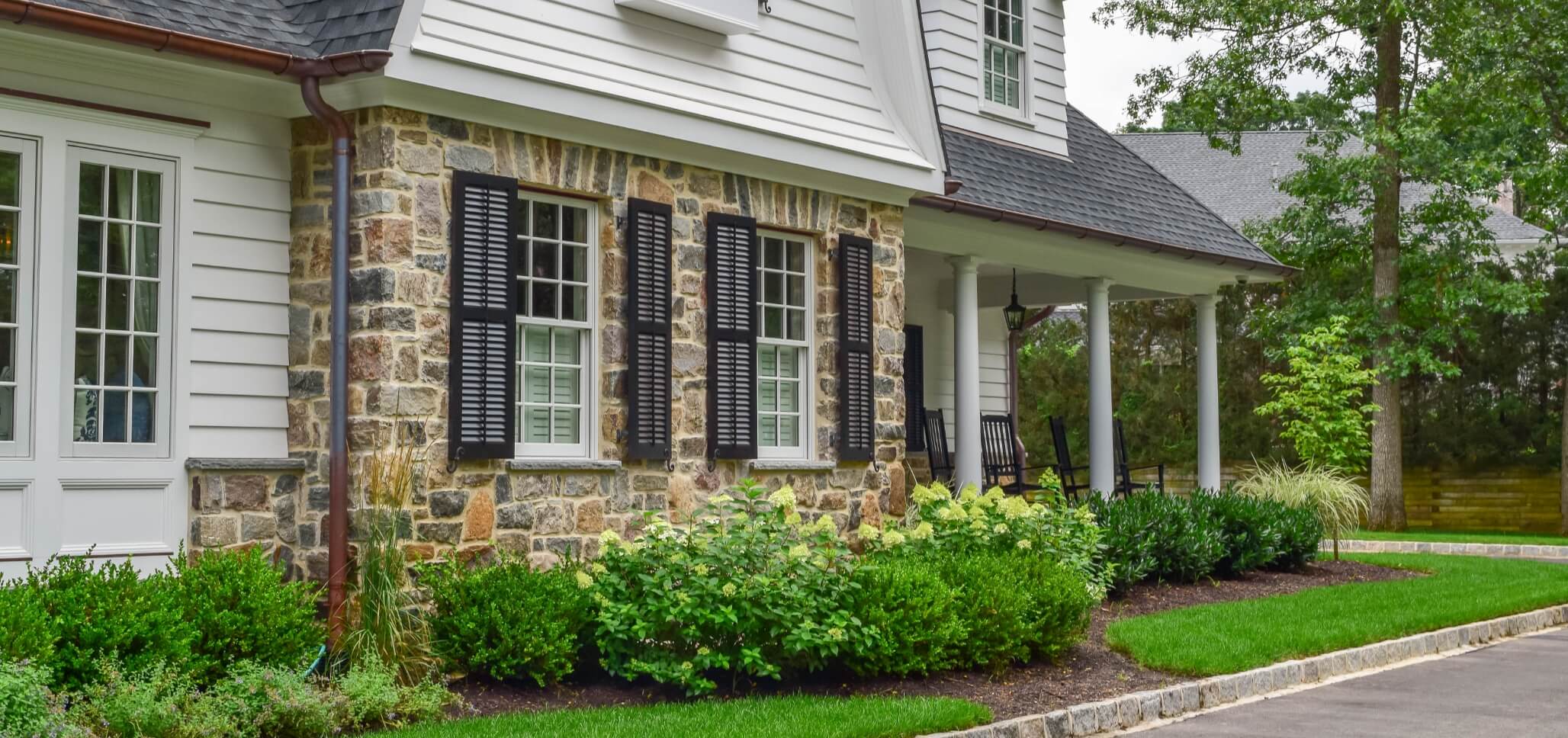
For example, if your home features natural stone veneer, incorporating complementary stone accents around your pool can create a connection between the two spaces.
If your house has a modern exterior, large-format pavers and a simple color palette may help carry that style into the backyard.
You can also create contrast while maintaining a cohesive appearance.
A dark-colored home might look beautiful with a lighter pool patio that brightens the outdoor space.
The goal isn’t to make everything identical. It’s to create a design that feels intentional from the moment you step outside.
Bring Your Backyard Vision Together with Braen Supply
A beautiful swimming pool may be the centerpiece of your backyard, but it’s the surrounding details that turn it into a complete outdoor living space.
By coordinating your patio pavers, pool coping, landscaping, and other hardscape features, you can create a backyard that feels connected, comfortable, and thoughtfully designed.
Whether you prefer a modern resort-inspired look or a warm, traditional outdoor retreat, choosing complementary materials can make all the difference.
At Braen Supply, we offer a wide selection of concrete pavers, porcelain pavers, natural stone, pool coping, stone veneer, and other hardscape materials to help homeowners bring their backyard designs to life.
Visit one of our showrooms to explore colors, textures, and materials in person. Our team can help you compare products and find options that complement your pool patio and surrounding outdoor living spaces.
Frequently Asked Questions About Pool and Backyard Design
1. How do you make a pool area look cohesive?
Start by choosing a consistent color palette and repeating complementary materials throughout the backyard. Coordinating your pool coping, patio pavers, outdoor living features, and landscaping can help create a connected appearance. Consistent lighting, furniture finishes, and decorative accents can also bring the design together.
2. Should pool coping match patio pavers?
Pool coping doesn’t have to match your patio pavers exactly. Some homeowners prefer a seamless appearance with similar colors and finishes, while others choose contrasting coping to define the pool’s edge. Both approaches can work beautifully when the materials complement each other and are suitable for the application.
3. Can you mix different paver materials around a pool?
Yes, different paving materials can be combined to create visual interest and define outdoor living areas. For example, you might pair porcelain pavers with natural stone coping or use concrete pavers alongside stone accents. Make sure the selected materials are compatible with the installation requirements and appropriate for wet poolside conditions.
4. What colors are best for a pool patio?
Popular pool patio colors include light gray, beige, cream, tan, and other neutral shades. These colors can complement a variety of home styles and landscaping designs. Lighter colors may also absorb less solar energy than darker alternatives, although actual surface temperatures depend on the specific material and conditions.
5. How do you connect a pool patio to the rest of your backyard?
Using consistent hardscape materials, coordinated walkways, and repeating landscape elements can help connect your pool patio to other outdoor areas. You can also use complementary paver patterns, borders, and furniture styles to create separate spaces that still feel like part of one overall design.