Bluestone is a prized material in landscape design, known for its durability, regional character, and timeless appeal. While traditionally used for paving and patios, designers are increasingly turning to bluestone in vertical applications to add continuity, contrast, and sculptural presence to the landscape. From stair risers to wall caps and water features, vertical bluestone offers structural integrity and design cohesion across outdoor spaces.
Steps and Stairways: Vertical Transitions with Presence
Using bluestone for vertical risers in stair systems enhances both function and form. The strength and dense composition of bluestone make it ideal for bearing the load of steps, while its consistent color palette and natural cleft texture create visual rhythm. Designers can blend bluestone risers with horizontal treads for a monolithic appearance, or contrast them subtly with surrounding materials. Including side returns or veneers on risers helps maintain a polished, integrated look.
Wall Caps and Coping: Framing the Landscape
Wall caps are one of the most effective vertical uses of bluestone. Capping seat walls, raised beds, or retaining walls with bluestone provides a refined finish and protects underlying masonry. A slight overhand creates a shadow line and directs water away from the wall face. Designers can choose from finishes like thermal, natural cleft, or rock-faced to suit the project’s aesthetic. For example, coordinating bluestone caps with horizontal paving unifies the site visually.
Water Features and Upright Elements
Bluestone excels in water features due to its low porosity and weather resistance. Whether used as a smooth spillway in a modern fountain or stacked for a naturalistic cascade, it pairs beautifully with water. Upright bluestone monoliths or markers add sculptural impact and echo other vertical applications across the site. These elements introduce height, texture, and focal points while grounding the design in a cohesive material palette.
Veneer Applications: Cohesion Through Texture
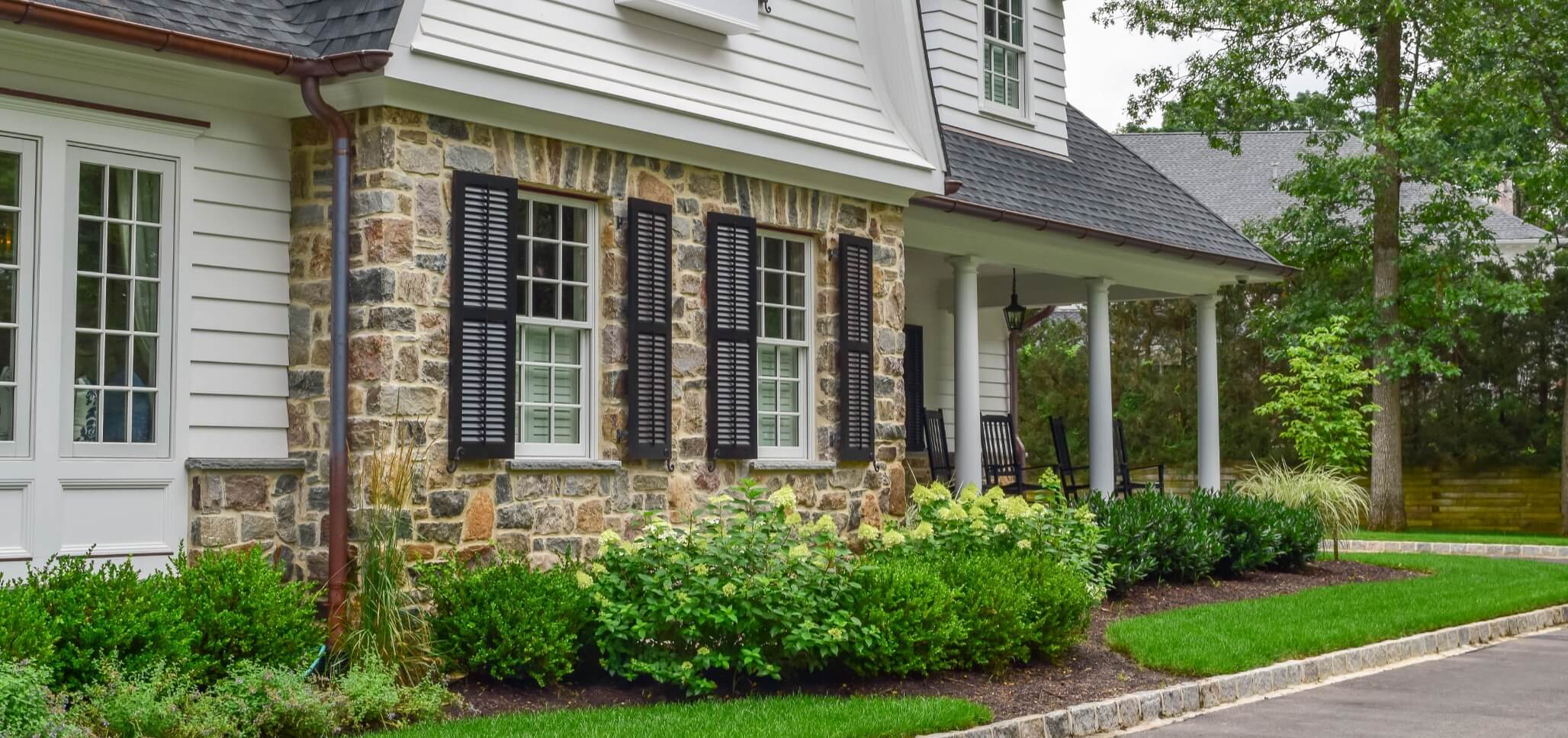
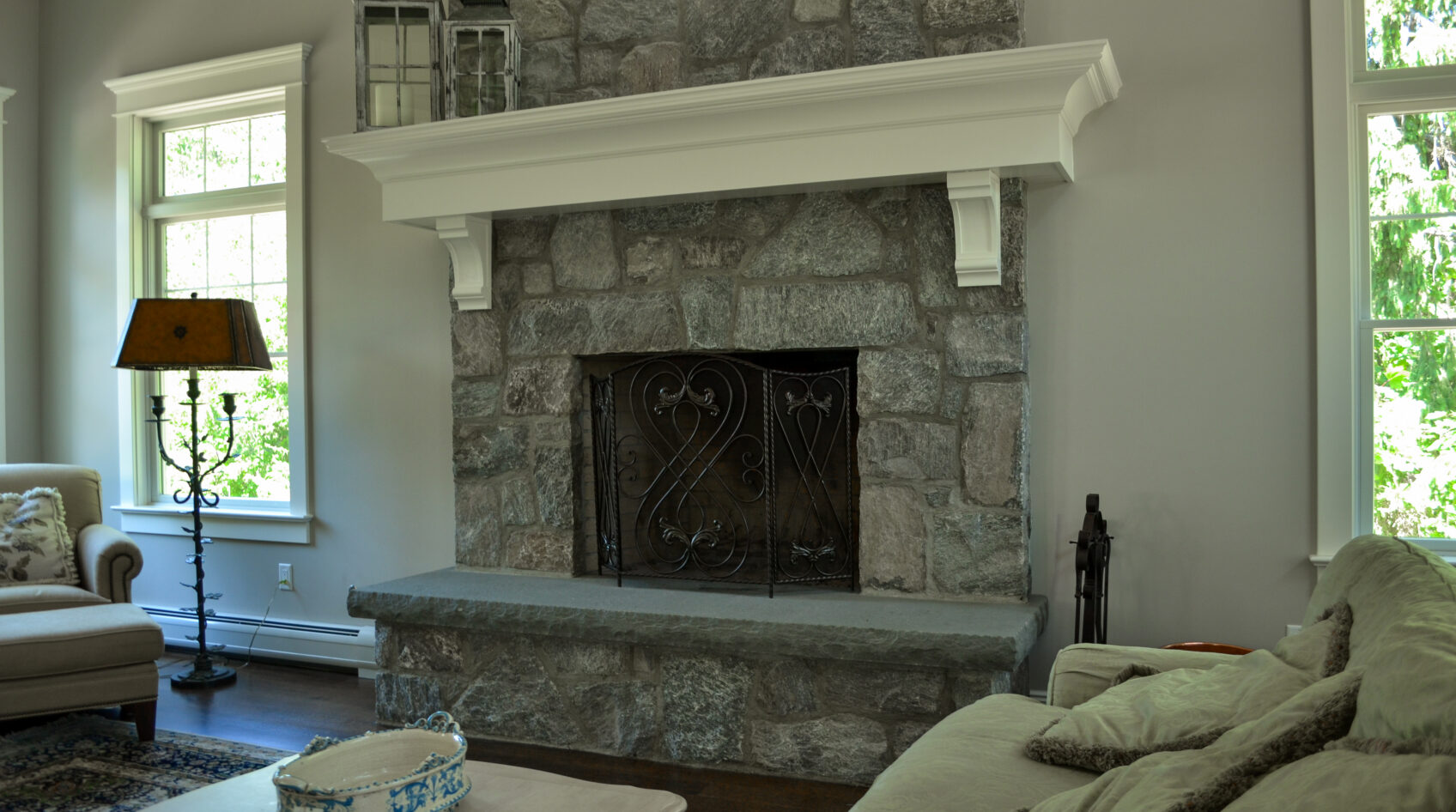
Thin bluestone veneer is ideal for fireplace, outdoor kitchens, and feature walls. Available in ashlar, ledgestone, and mosaic patterns, it offers stylistic flexibility. When used alongside horizontal bluestone paving, veneer ties vertical structures into the overall material rhythm. Matching finishes and tones reinforces design unity, while textural contrasts can highlight functional zones or architectural transitions.
Continuity and Craftsmanship
Using bluestone vertically ensures continuity throughout the landscape. By repeating color, texture, and finish across vertical and horizontal planes, designers create cohesive environments that feel intentional and enduring. Bluestone’s durability and regional authenticity make it a sustainable choice for both structure and style.
In a well-crafted landscape, vertical bluestone is more than a detail- it’s a connective thread. Whether capping a wall, rising in a step, or standing as a monolith, it reinforces the artistry of natural materials and the designer’s vision.
Quality design deserves quality materials. Partner with Braen Supply to source reliable stone, veneer, and pavers tailored to your project requirements.
About the Author
Written in the voice of Braen Supply’s in-house expert persona, Gabriel Shaw. Shaw embodies the collective knowledge of our team and shares practical, straightforward tips to help landscape professionals make the most of their landscaping and masonry projects – drawing on decades of experiences serving New Jersey and the tri-state area.